What is Eid al-Fitr?
Eid al-Fitr: The Joyous Reward After Ramadan A Celebration of Gratitude, Unity, and JoyEid al-Fitr, often referred…

Latest Updates


October 1, 2026

Guides & Resources

Eid al-Fitr: The Joyous Reward After Ramadan A Celebration of Gratitude, Unity, and JoyEid al-Fitr, often referred…
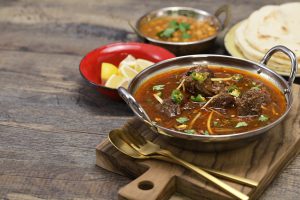
Have you ever wondered why Pakistani cuisine is winning hearts across Canada? It’s not just the rich…

View this post on Instagram A post shared by Dr. Elzahraa Hassane | Faith-Based Mental Healh Educator…

Yes, many Muslim scholars permit Muslims to eat kosher meat, especially when halal meat is unavailable—but kosher…
A Middle Eastern Legend bringing authentic flavors to your table
What is halal certification? Learn what halal certified means, what certification verifies, why it matters, and how it differs from a self-declared halal claim.
Published June 17, 2025 • Updated September 14, 2026
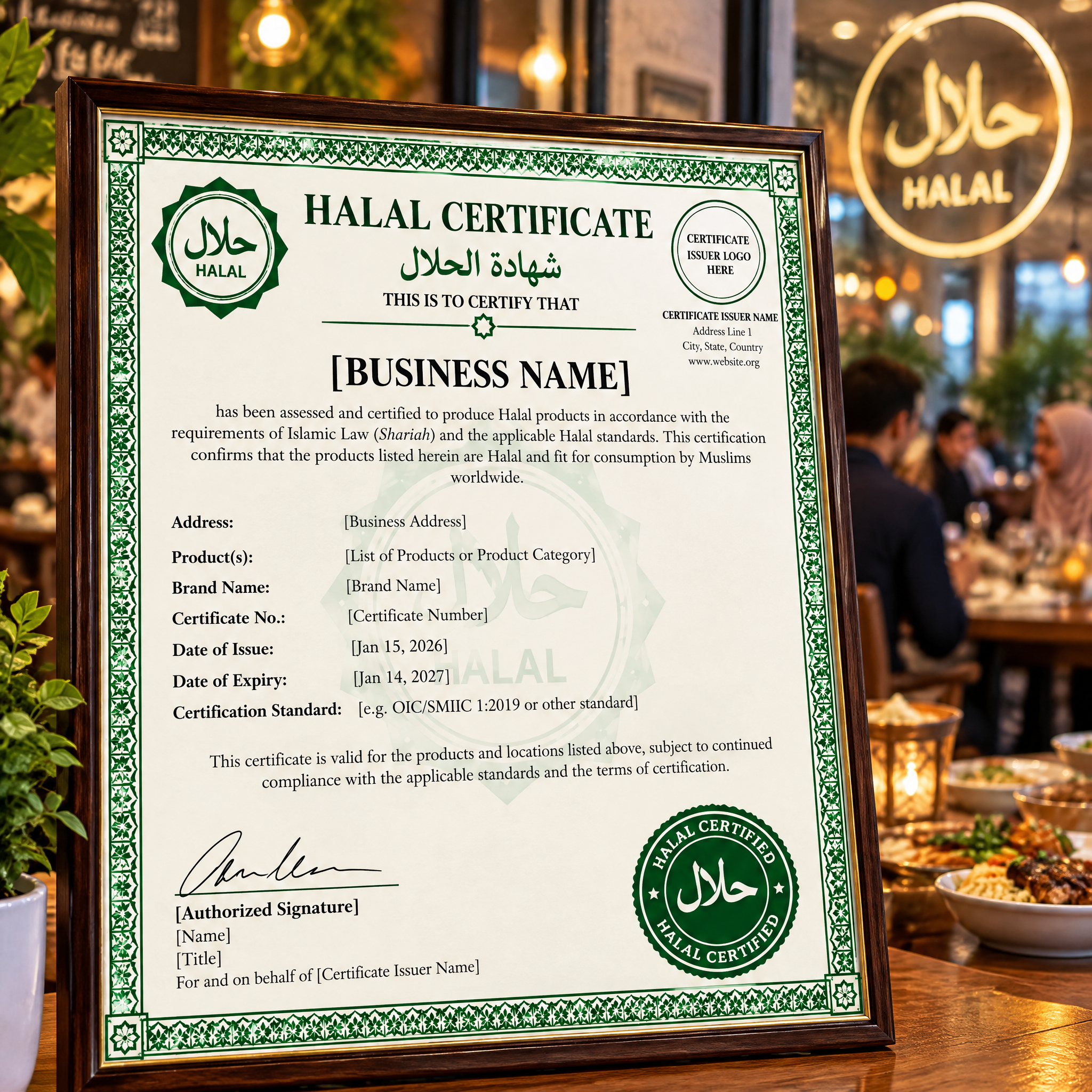

"Halal Certified" is a label given to food products or restaurants that have been approved by a recognized third-party certification body.
The world's diverse food scene has seen a rapid increase in halal restaurants, driven by the country’s growing Muslim population and rising demand for ethically prepared meals. But as more restaurants label their food as “halal,” the need for clear, credible certification becomes more important than ever. Halal certification is more than just a label — it’s a commitment to transparency, trust, and religious compliance that can shape customer loyalty and influence restaurant reputation. In this article, we’ll explore how halal certification works in Canada, why it matters for restaurants, and what steps business owners need to take to earn and maintain it.
Before diving into certification, it’s important to understand what halal food really means, especially in the Canadian context.
Halal certification is an official process that verifies whether a restaurant’s food and practices comply with Islamic dietary laws. For Muslim consumers, this certification helps confirm that the food is not only free from pork and alcohol but also slaughtered and prepared according to specific religious guidelines. For restaurant owners, it’s more than a religious checkbox — it’s a mark of trust and integrity that speaks directly to a growing halal-conscious customer base.
A halal claim and third-party certification are not identical. Certification adds an independent review against a certifier’s standard. For the restaurant-consumer distinction, read Halal Sticker vs. Halal Certificate.
To be officially halal certified, a restaurant must meet specific conditions. These include using halal-certified meat and ingredients, ensuring no alcohol is used in cooking or preparation, and maintaining separate equipment and utensils to avoid contamination. Certifying bodies may also inspect the supply chain, food storage, and kitchen practices to ensure consistency with Islamic principles.
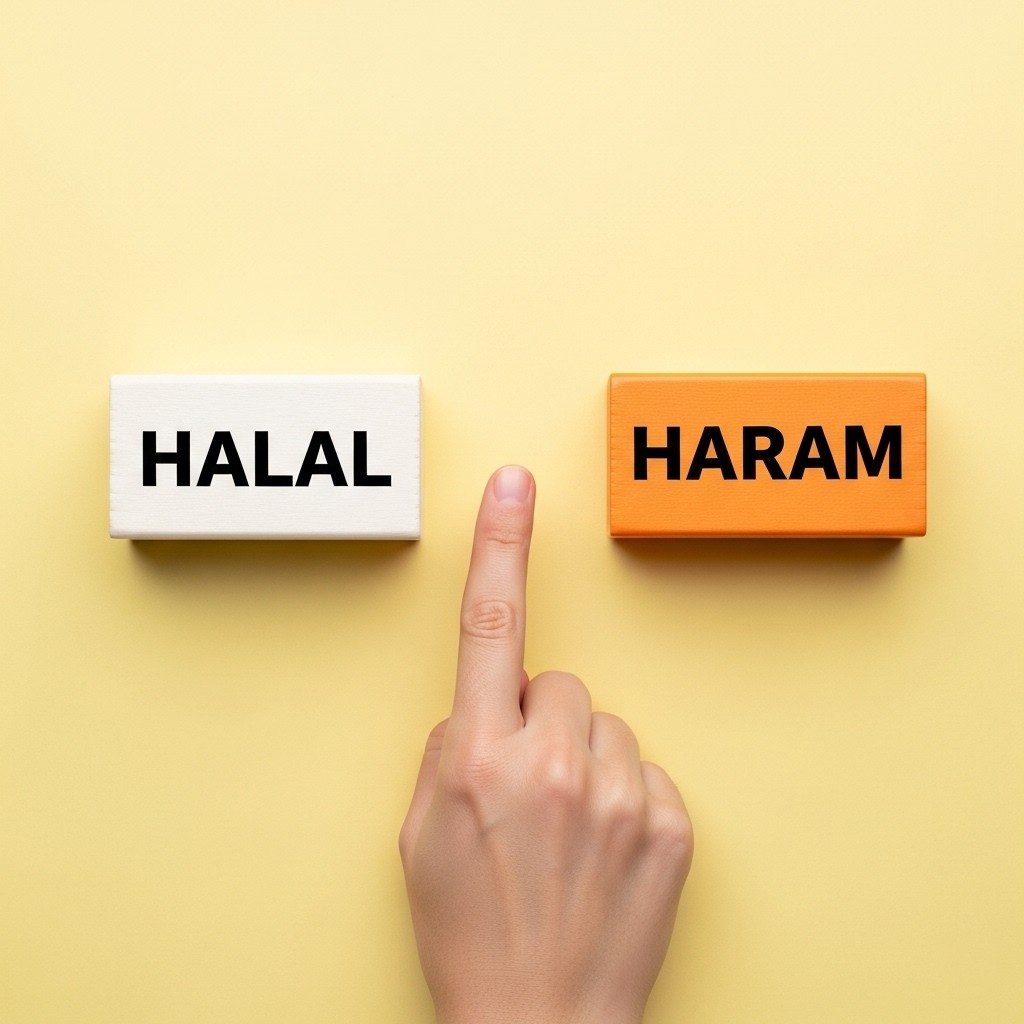
Some restaurants hold establishment-level certification, while others rely on certified suppliers or their own halal claim. Certification therefore describes a specific level of independent verification rather than every business that serves halal food. See how to interpret halal claims at restaurants.
Independent halal certification bodies review businesses against their own published standards and, when approved, issue certification for a defined scope. Canada has several organizations with different approaches and areas of recognition. For names, locations and side-by-side details, see our guide to halal certification organizations in Canada.
For restaurants in Canada, halal certification is no longer optional — it’s a strategic advantage. With a growing Muslim population and increased awareness around food ethics, having a halal certificate builds confidence and opens new market opportunities. Here’s why it matters:
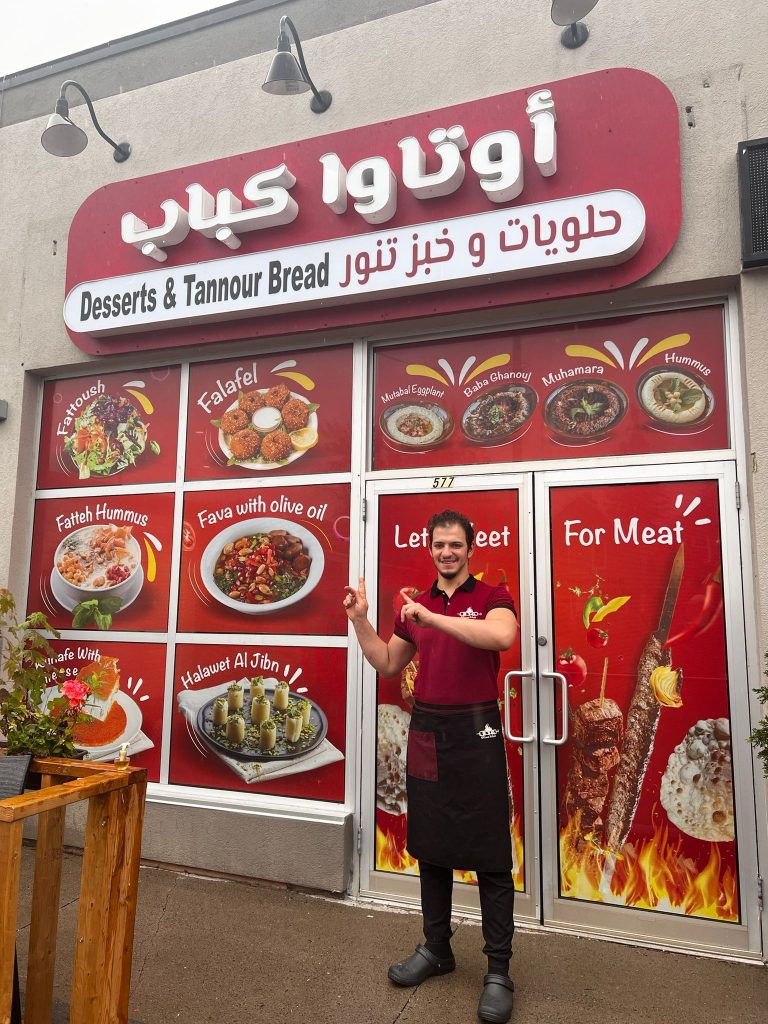
Muslim diners often seek out restaurants they can trust, especially when it comes to meat and preparation standards. A visible halal certificate provides peace of mind and shows that the restaurant respects religious values. In competitive areas, it can be the deciding factor for where a family chooses to dine.
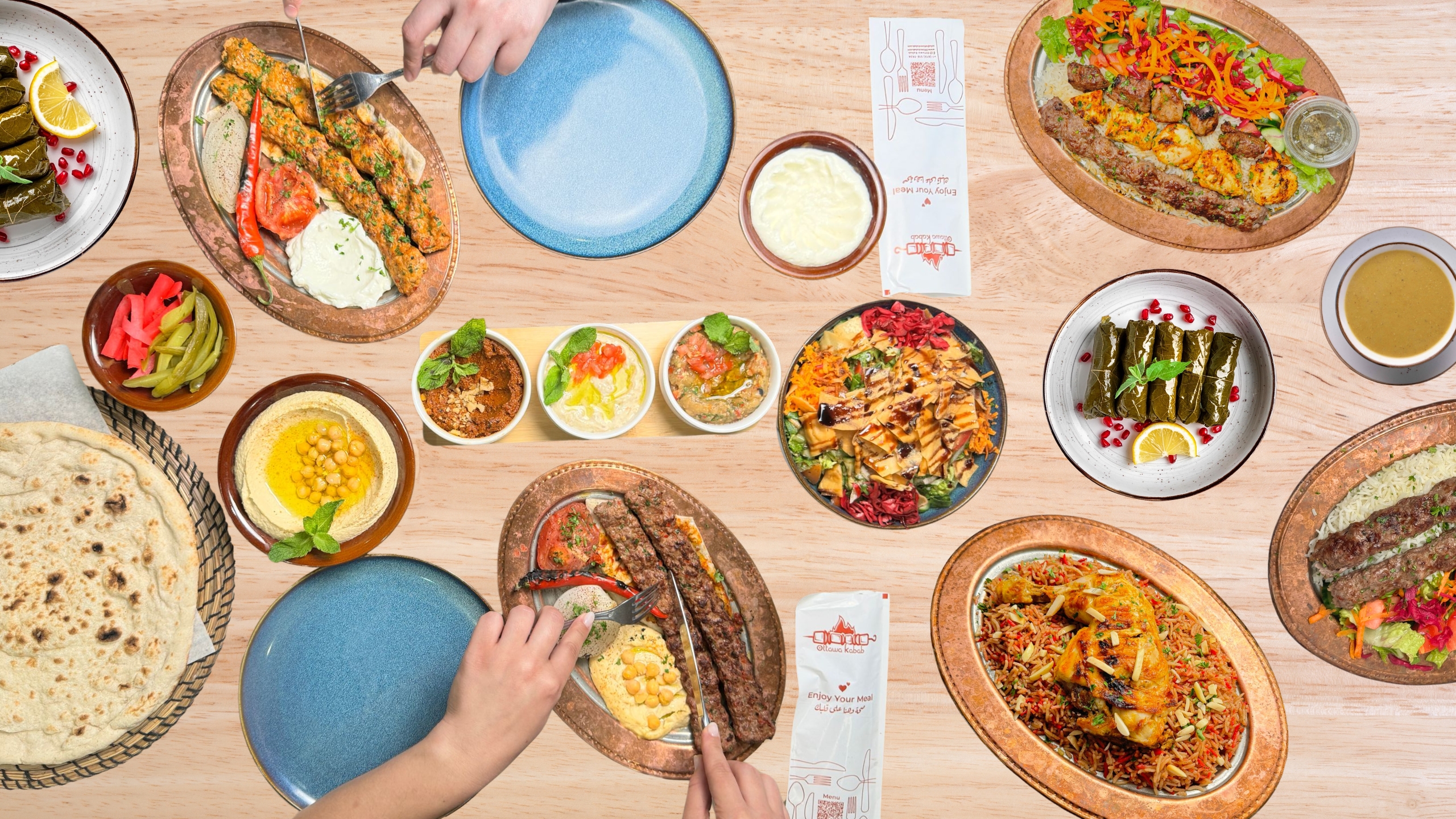
Restaurants like Ottawa Kabab have gained loyal followings by being transparent about their halal practices and displaying their certification clearly.
Halal food isn’t just for Muslims. Many non-Muslim consumers associate halal with cleanliness, humane slaughter, and higher ingredient standards. Certification can help restaurants tap into this wider audience — including ethical eaters, tourists, and health-conscious diners — who actively search for halal-certified options online.
Getting certified sends a strong message: this business values transparency, cleanliness, and accountability. Whether you're running a small takeout shop or a large dining establishment, halal certification is a mark of professionalism that boosts your brand reputation.
A business can describe food as halal without necessarily holding restaurant-level certification. For the consumer side of this distinction, see Halal Sticker vs. Halal Certificate.
The process usually includes an application, ingredient and supplier review, an inspection or audit, corrective actions if needed, and a final certification decision. After approval, the business must continue following the certifier’s requirements and renew on schedule.
If you are a restaurant, manufacturer or food business preparing to apply, use our dedicated halal certification checklist for Canada for the full step-by-step process, documents, preparation and approval guidance.
For the continuing oversight that can follow approval, see what a halal monitoring authority does.
Do you own a restaurant or meat shop? Learn how to get halal certification in details.
While halal certification offers clear benefits, the process isn't always easy. Many restaurant owners encounter challenges that can slow down or complicate their journey toward becoming fully certified. Understanding these obstacles in advance can help prepare for a smoother experience.
For small businesses or new restaurants, the cost of halal certification can be a barrier. Certification fees vary depending on the organization and the level of oversight required. Some certifiers also charge for periodic inspections or renewal applications. For restaurants operating on tight budgets, this may seem like an unnecessary expense — but it's an investment in long-term credibility.
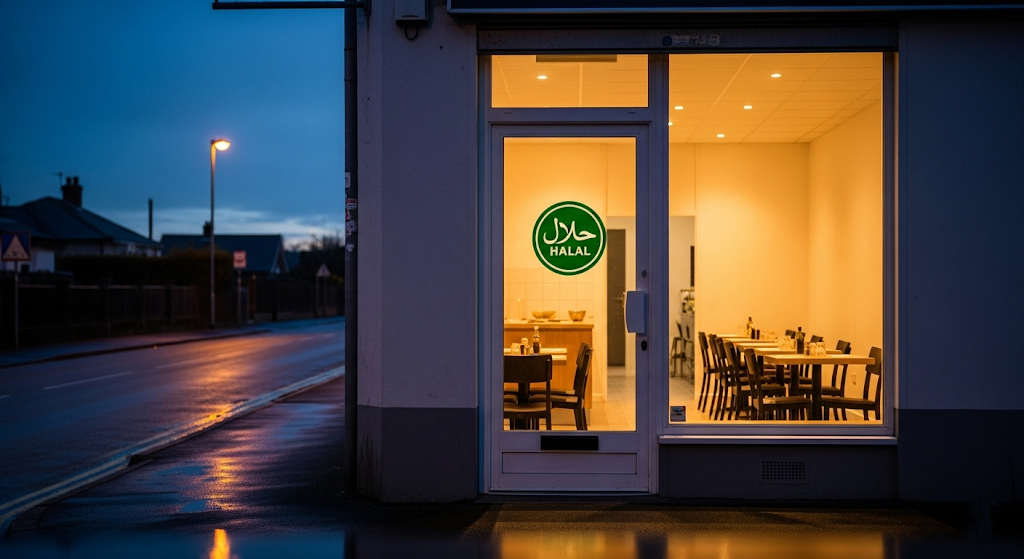
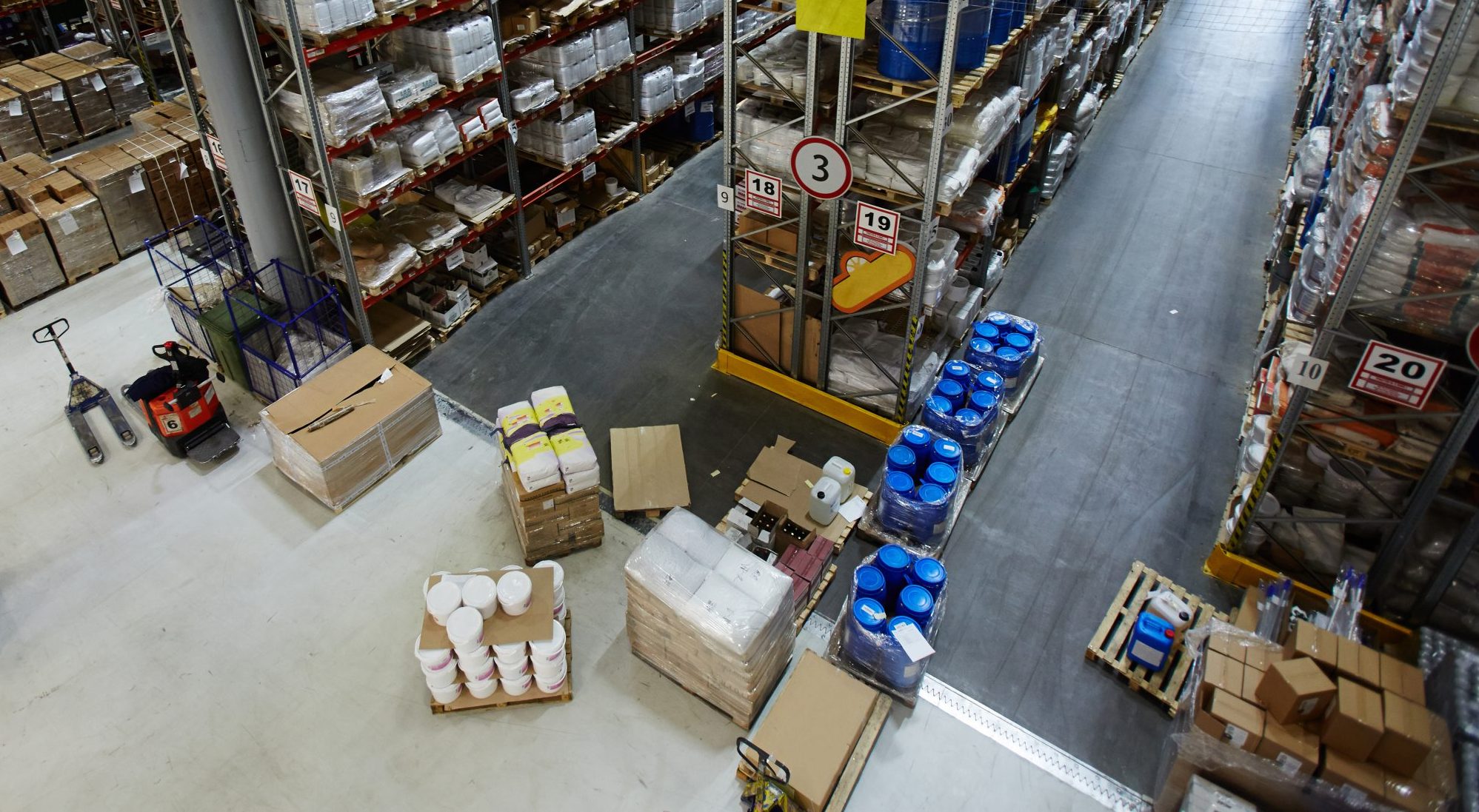
One of the biggest challenges is ensuring that all ingredients — especially meat and poultry — are sourced from halal-certified suppliers. Restaurants may need to change long-standing vendors or find new sources that meet halal standards. This can affect pricing, logistics, and even taste if substitutions are required.
Some customers may not understand what halal certification truly involves. Others may assume that any restaurant run by a Muslim is automatically halal — which isn't always the case. Dealing with questions, concerns, or skepticism from the public can require clear communication and education, especially in multicultural cities.
Not all certifiers are treated equally by the public. Some organizations are seen as more reliable or strict, while others may have looser standards. Choosing the right certifier means balancing trust, cost, and recognition — and sometimes facing pressure from customers who only accept certain certificates.
Earning the trust of Muslim customers in Canada goes beyond just offering halal ingredients — it’s about clarity, transparency, and how the restaurant presents itself. While some diners prioritize official certification, others rely on community reputation or trust in the owners. Understanding this balance is key for restaurants that want to grow their halal audience.
Some Muslim customers are highly certification-conscious and will only eat at restaurants that can show proof of halal compliance. For them, a printed certificate from a trusted organization — like HMA or ISNA — is non-negotiable. Others, especially in smaller communities, may feel comfortable relying on the word of the restaurant owner, particularly if the owner is Muslim or known within the community.
However, consumer awareness is growing, especially among younger generations and newcomers. Many now prefer visible, verifiable proof over verbal claims — and may even avoid uncertified restaurants altogether.
Having a halal certificate is only effective if customers can see it. That’s why restaurants should prominently display it in key places:
Digital-savvy customers often search for “halal certified near me” or look for halal tags on Instagram. Failing to showcase certification means missing out on a valuable trust signal that could drive foot traffic and online orders.
In today’s connected world, Muslim consumers are more informed — and more vocal — than ever. When a restaurant claims to serve halal food but cannot show any official proof, it can spark serious backlash. Customers may share their concerns in Google reviews, Facebook groups, or halal-focused directories, warning others about the lack of transparency.
Even if the food is technically halal, the absence of certification can lead to lost trust — especially if competitors nearby are proudly certified. For restaurants, this creates a reputational risk that’s hard to recover from. It’s always better to be upfront, even if you’re still in the process of becoming certified.
For restaurants in Canada, halal certification is more than a religious requirement — it’s a signal of integrity, professionalism, and respect for a growing customer base. As Muslim diners increasingly seek transparency and verified sourcing, certification becomes a key factor in earning their trust.
Whether you're launching a new halal concept or upgrading your existing operations, taking the step toward official certification positions your restaurant as a trusted, responsible, and community-focused brand. It also opens the door to broader marketing opportunities, stronger online visibility, and long-term customer loyalty.
If your restaurant claims to serve halal food, make sure you're backing it up — not just with words, but with verified actions.