Where to Shop for Wholesale Halal Food in Canada
Buying halal food by the case, pallet, or freezer load can save money—but the right supplier depends…

Latest Updates


October 1, 2026

Guides & Resources

Buying halal food by the case, pallet, or freezer load can save money—but the right supplier depends…

For many Muslim consumers, navigating the snack aisle or the pharmacy can feel like a mission in…

Halal isn’t just a rule—it’s a multi-culture flavors. In Canada—one of the world’s most diverse nations—halal food…

Ridgeway Plaza is one of Mississauga’s best-known food and community destinations. Located in west Mississauga, it includes…
A Middle Eastern Legend bringing authentic flavors to your table
Learn how to get halal certification in Canada with a step-by-step checklist covering requirements, documents, certifier selection, facility preparation, audits and approval.
Published June 26, 2025 • Updated September 12, 2026


“One wrong ingredient — and you lose trust.”
Halal isn’t just a label. It’s your customer’s confidence
Halal certification isn’t just about following rules — it’s about earning trust. For Muslim consumers, every meal comes with questions: Was it prepared the right way? Were the ingredients pure? Was the process monitored?
In Canada, halal is more than a dietary label. It’s a growing expectation — from families, restaurant-goers, grocers, and international buyers. Getting certified isn’t just a religious responsibility; it’s a smart business move. But the process can be confusing if you’re not prepared.
This article gives you a clear, step-by-step checklist to help your business meet halal standards, avoid common mistakes, and pass your certification audit with confidence.
This guide assumes you already understand the basic meaning of certification and focuses on how to get halal certification in Canada. If you need the definition first, read What Is Halal Certification?.
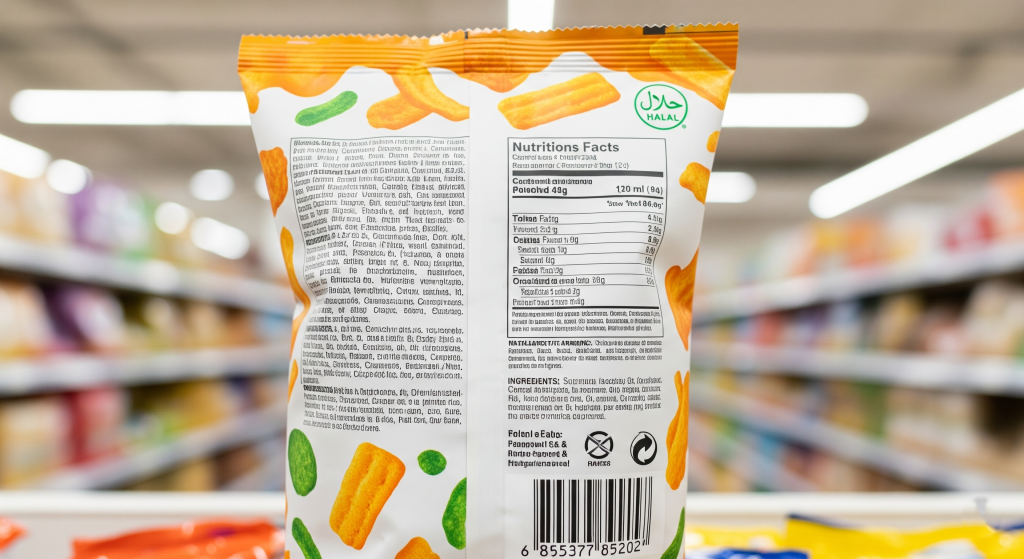
In Canada, halal certification is more than just a religious formality. It’s a mark of quality and transparency. With the growing demand for halal products in cities like Toronto, Vancouver, Calgary, and Mississauga, certification has become an essential requirement for many retailers and distributors.
Businesses that obtain halal certification gain access to a loyal consumer base, expand their market reach, and build credibility — both locally and internationally. Whether you're targeting local Muslim communities or planning to export to halal-sensitive countries, certification is often the key to getting your product on shelves and menus.
Any business involved in the food supply chain that wants to serve Muslim consumers or access halal markets should consider getting halal certified.
In Canada, halal certification is especially important for:
| Business Type | Reason for Needing Certification | Common Mistakes Without It |
|---|---|---|
| Restaurants | To prove halal sourcing and preparation methods | Mixing halal and non-halal ingredients |
| Butchers / Meat Plants | To meet Islamic slaughter rules and expand to Muslim buyers | Using suppliers with unclear sourcing |
| Packaged Food Producers | To sell in halal sections in stores or export globally | Hidden haram ingredients (e.g., gelatin) |
| Caterers | To meet client requests for halal weddings/events | Cross-contamination in kitchens |
| Exporters | To meet international halal import requirements | Shipment rejected or blocked at customs |
| Retail Brands | To market halal products with full credibility | Consumer distrust or regulatory challenges |
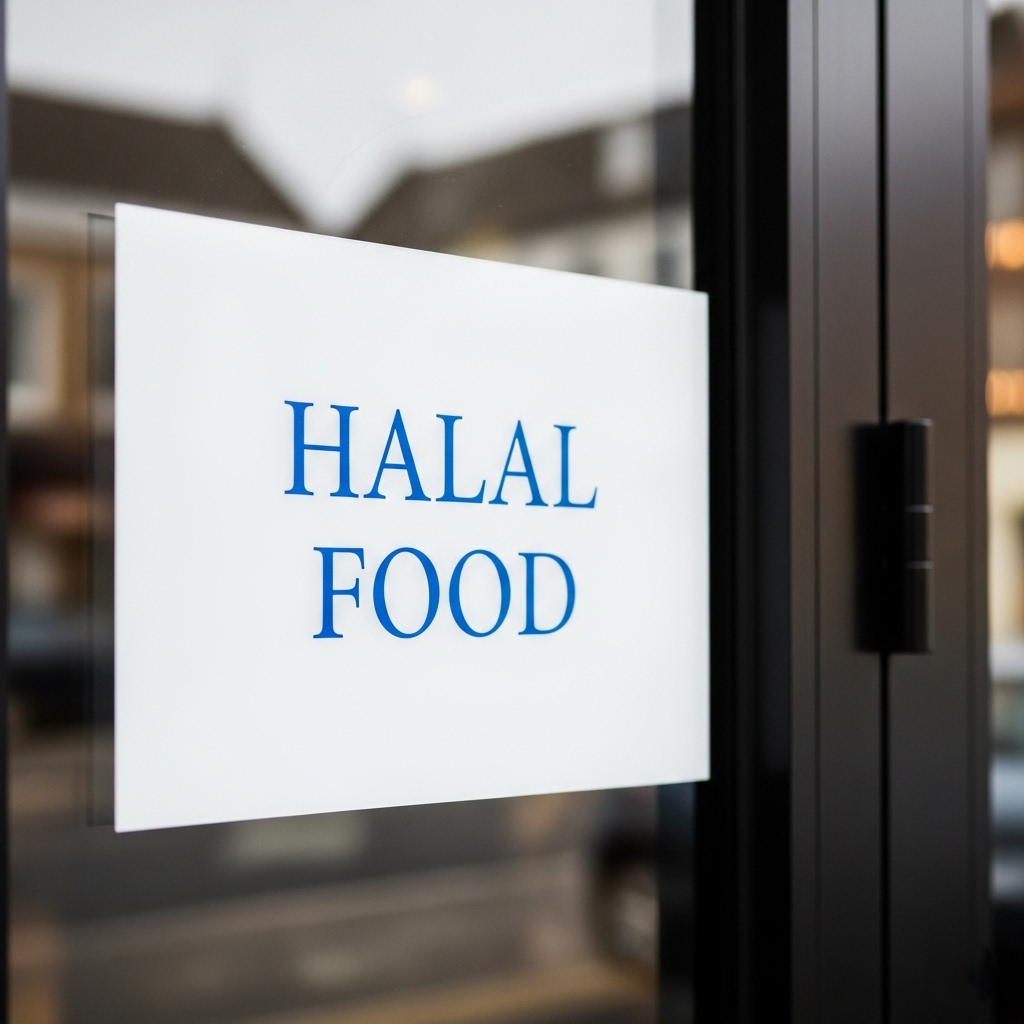
Not all halal certifications are the same. Depending on the nature of your business and your products, the type of halal approval you need may vary. Some certifications focus on meat processing and slaughter methods, while others are designed for packaged goods, restaurants, or export compliance.
Here are the main types of halal certification available in Canada:
This is required for facilities that process meat or poultry. It verifies that animals are slaughtered according to Islamic rules, under supervision by trained Muslim personnel. This certification is essential for domestic and export sales of halal meat.
Used for packaged goods like snacks, frozen meals, sauces, or beverages. It confirms that every ingredient and the production process comply with halal standards — even if no meat is involved.
Restaurants, food trucks, and catering services can obtain halal certification to show that their sourcing, preparation, and handling follow halal practices. It covers everything from supplier choice to kitchen hygiene.
If you're shipping to countries that regulate halal imports (like Saudi Arabia, UAE, or Malaysia), you'll need a certification that meets their specific standards. This type of certification often includes detailed documentation and approval from government-recognized halal bodies.
Getting halal certified may seem complex, but when broken down into clear steps, the process becomes much more manageable. This checklist will help you prepare your business, avoid common mistakes, and meet the requirements of halal certifiers in Canada.

Before you apply, make sure you fully understand what “halal” means in the context of your business. That includes:
You should also compare certifiers before applying because standards, recognition and monitoring models can differ. See our halal certification organizations in Canada guide before choosing one.
Not all halal certifiers are equal. Look for a certification body that:
Do not choose a certifier only by price. Compare recognition, audit requirements, slaughter policies where relevant, and whether the organization is accepted in your target market. Our separate Canadian halal certifier comparison covers that decision in detail.
Make a full list of your ingredients, including source and supplier details. Remove or replace any questionable components. You may need:
Halal compliance involves human behavior, not just ingredients. All kitchen or production staff should be trained on:
Make sure your production environment is ready for inspection. This includes:
Each certifier will have a slightly different application process, but most require:
Published Canadian prices vary by scope. Product packages can start around $799 CAD, while HMA’s published restaurant example works out to about $3,200 CAD in the first year. See our researched guide to halal certification costs in Canada before setting your budget.
An inspector will visit your facility to verify halal practices. Be ready to:
If issues are found, you may get a chance to correct them before final approval.
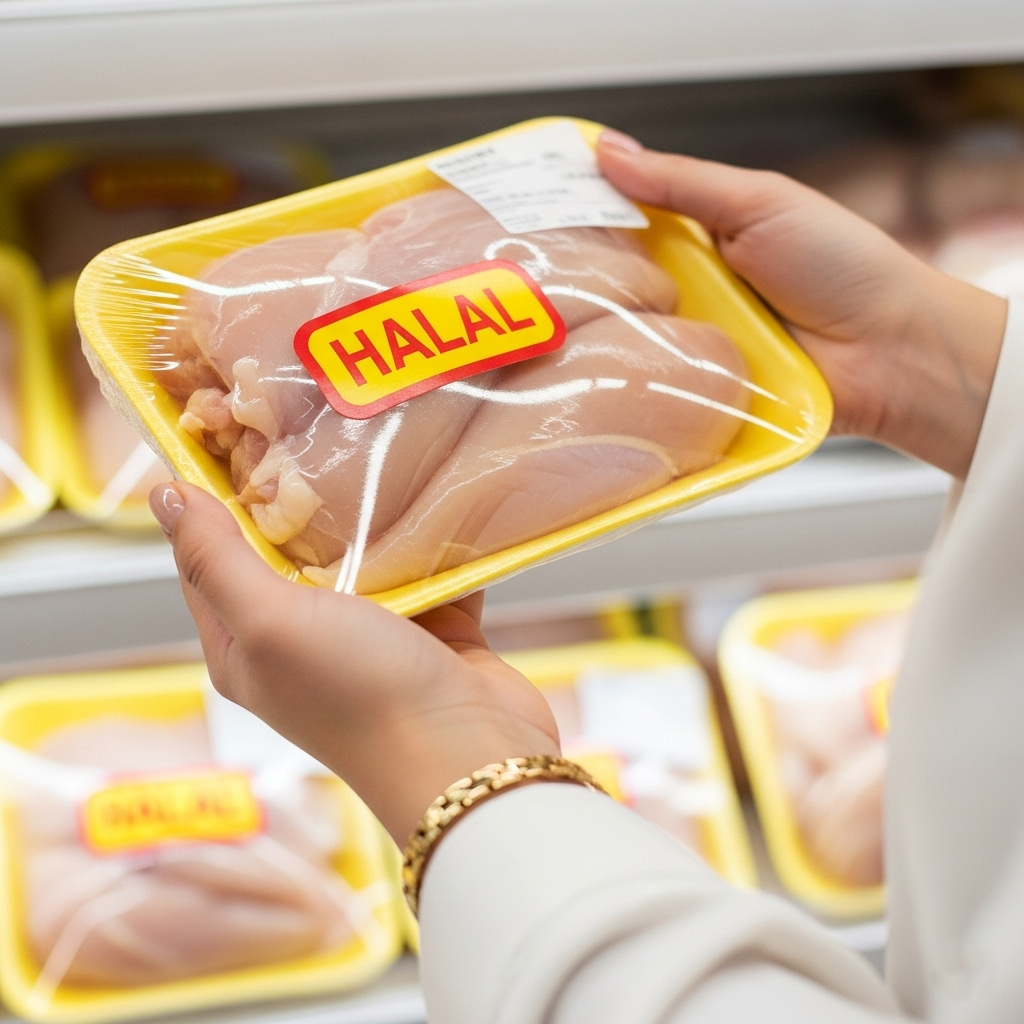
Delays in halal certification often happen not because a business is doing something haram — but because of simple oversights. One of the most common issues is using unverified ingredients, such as flavorings, emulsifiers, or additives that may contain animal by-products without proper halal sourcing
Another major issue is cross-contamination. If halal and non-halal items are stored or prepared using the same equipment without proper cleaning, it can invalidate your application. Many businesses also struggle with documentation — missing supplier declarations, outdated certificates, or incomplete forms can all delay approval.
Choosing the wrong certifier is another overlooked problem. Some businesses apply with local certifiers that are not recognized in their export markets. Lastly, inadequate staff training can be a deal-breaker. If employees aren’t aware of halal handling protocols or the importance of separating ingredients, your audit may fail even if your ingredients are clean.
Getting halal certified is a major milestone — but maintaining that certification is just as important. Many businesses lose their certification not because of major violations, but because of small, preventable issues over time. For the oversight side of certification, see what a halal monitoring authority does.
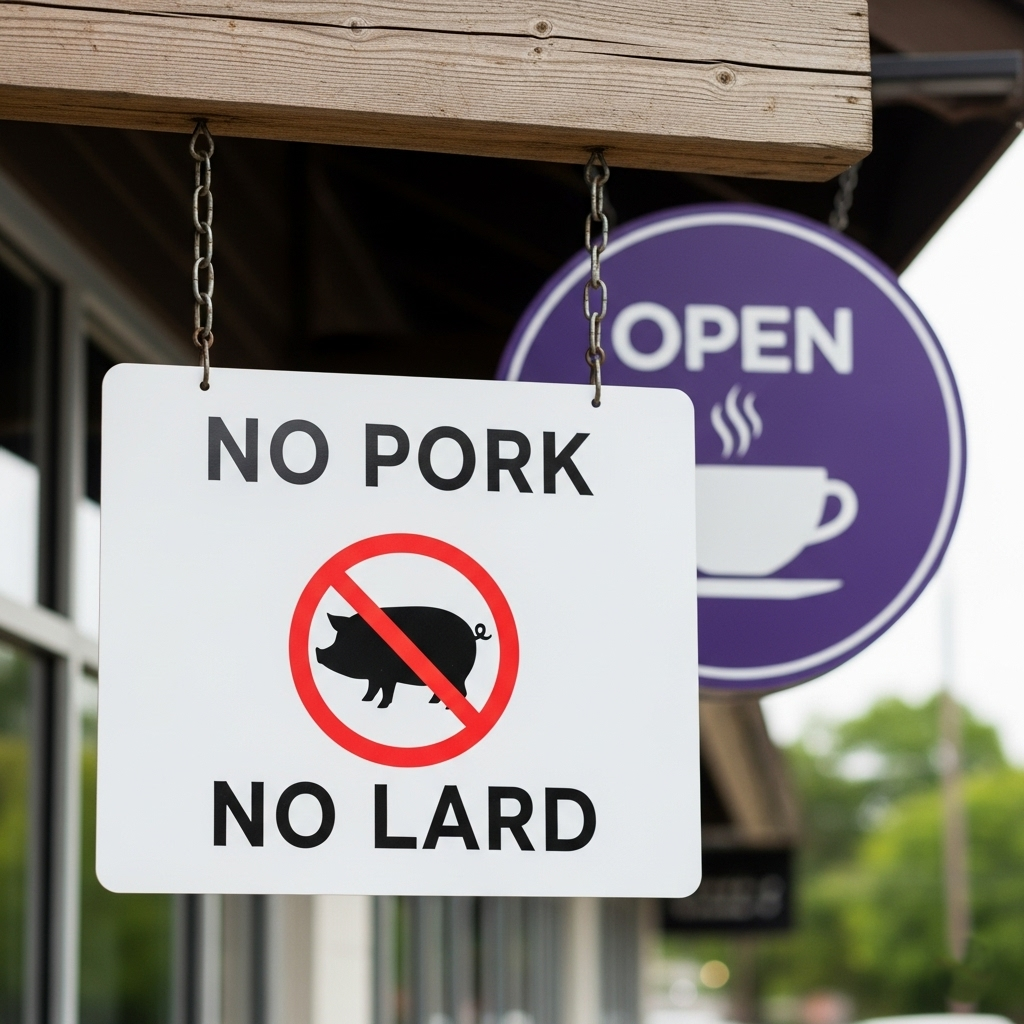
To stay compliant, make sure you:
Most halal certificates are valid for 12 months. Set reminders to renew early and avoid gaps in your approval. Late renewals can interrupt your ability to label products as halal or supply certified buyers.
Some certifiers, like HMA, conduct unannounced audits. Always follow proper halal handling procedures, maintain documentation, and ensure staff stay trained year-round — not just during the audit period.
If you change suppliers, add new products, or modify your production process, notify your certifier immediately. Using uncertified ingredients or equipment without approval can result in suspension or revocation.
Retain halal declarations, ingredient lists, cleaning protocols, and training logs. Make sure everything is up to date and accessible when requested
Getting halal certified isn’t just about meeting religious requirements — it’s about building trust, opening markets, and showing that your business takes quality and transparency seriously. Whether you're serving local communities or exporting worldwide, halal certification can be a powerful step forward.
With the checklist in this guide, you now have a clear path to prepare your team, your products, and your facility for halal approval. The more proactive you are, the smoother the process will be.