Hand-Slaughtered vs. Machine-S
Manual slaughter by hand is a method deeply rooted in Islamic tradition since its inception. A Muslim…

Latest Updates
September 18, 2026

September 15, 2026
Guides & Resources
Manual slaughter by hand is a method deeply rooted in Islamic tradition since its inception. A Muslim…

The Blueprint for Success: Launching Your Halal Food Business in Canada The Halal food sector in Canada…

“One wrong ingredient — and you lose trust.”Halal isn’t just a label. It’s your customer’s confidence Halal…

For many Muslims, the phrase “halal mortgage” sounds contradictory. A conventional mortgage is a loan secured against…
Discover the difference between hand-slaughtered and machine-slaughtered halal in Canada, covering religious background, consumer awareness.
Published February 7, 2026 • Updated September 10, 2026
Manual slaughter by hand is a method deeply rooted in Islamic tradition since its inception.
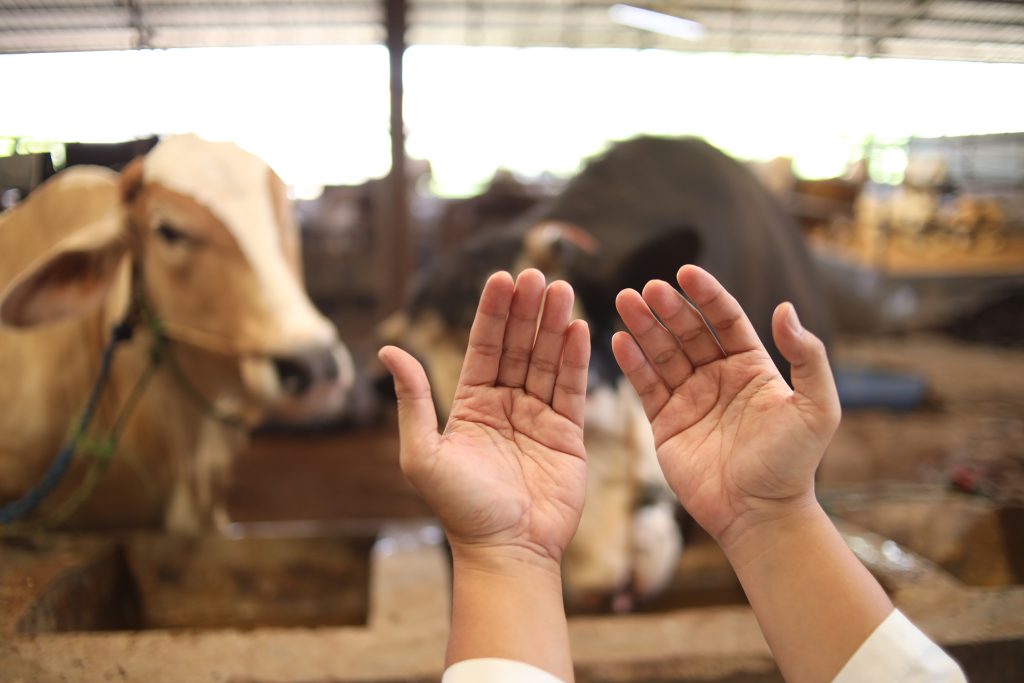
A Muslim invokes God's name at the time of each sacrifice and directly supervises the process to ensure complete blood flow.
This practice is not merely a technical procedure but an act of worship and religious obligation, making it the preferred choice for many Muslims seeking spiritual peace and legal certainty.
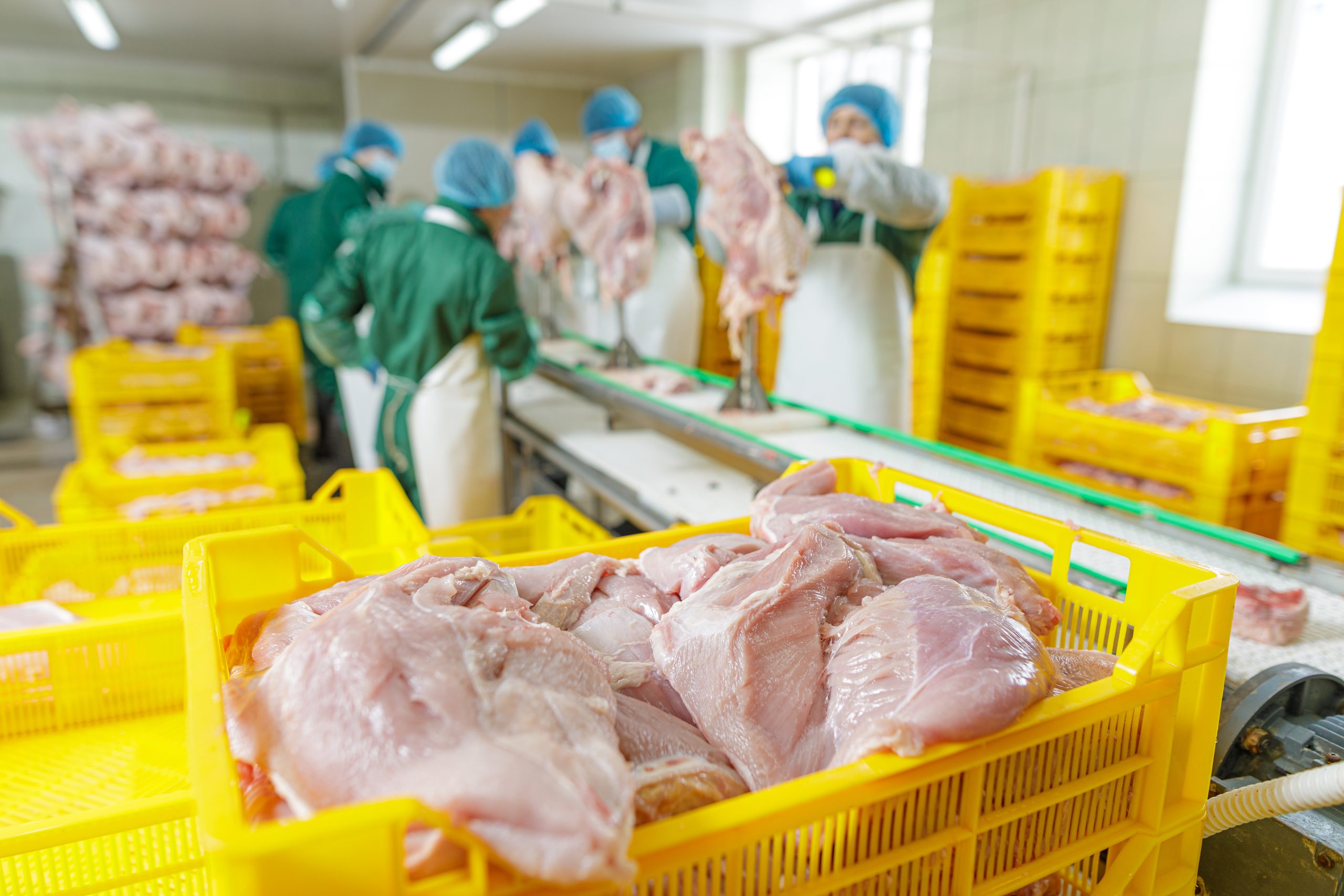
Nowadays, with the expansion of the global meat industry, the need for faster and more efficient methods has emerged, and automated slaughter has become one solution. These differences in labour, oversight and scale also help explain why halal meat can cost more in Canada.
The machine is typically operated by a Muslim, invoking God's name at startup, sometimes using a repetitive audio recording. Some religious authorities deem this method acceptable if it meets certain conditions, while others consider the absence of the individual invocation of God's name for each sacrifice to diminish the spiritual aspect. This debate reflects the balance between the demands of modern industry and the preservation of religious values.
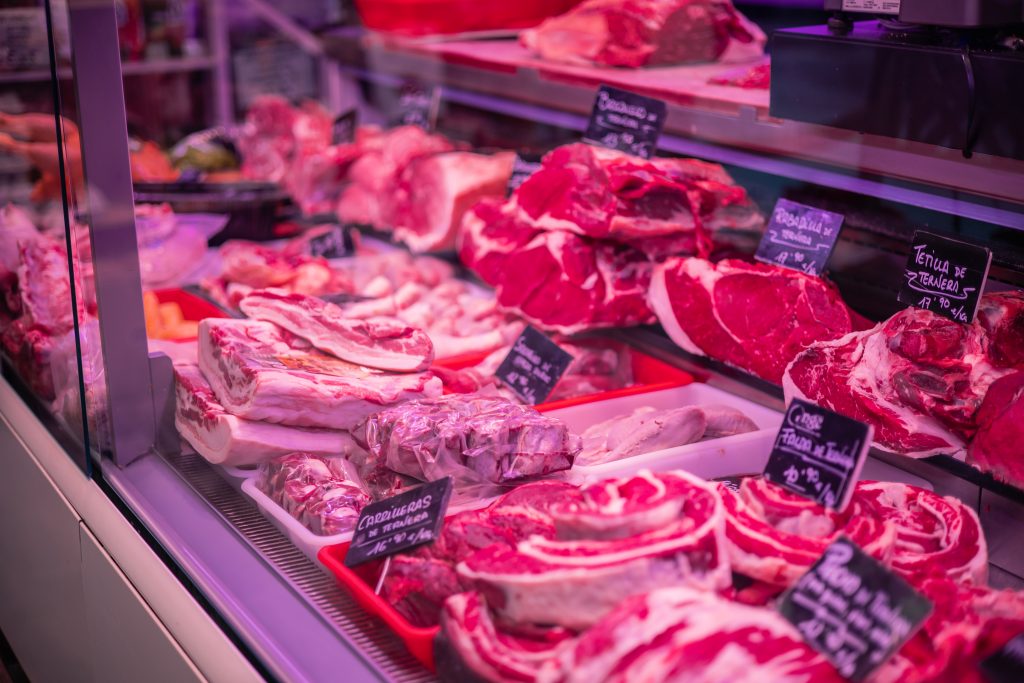
In Canada, Muslims are becoming more aware of this issue, with many keen to know the origin of their meat and the method of slaughter. Some stores and restaurants display clear labels such as "Hand-Slaughtered Only," while others simply use the "Halal" label. This diversity reflects differing beliefs and gives consumers the freedom to choose according to their personal faith. With increasing demand, it has become easier to find a variety of options in the local market.
| Comparison Aspects | Hand-Slaughtered | Machine-Slaughtered |
|---|---|---|
| Religious Aspects | Mentioning God's name with each animal individually | Mentioning God's name when operating the machine or via an audio recording |
| Transparency for Consumers | Often clearly states "Hand-Slaughtered Only" on the label | Often only uses the "Halal" logo without further details |
| Spiritual Confidence | Provides greater reassurance for conservative consumers | raises questions among some consumers regarding full compliance |
| Efficiency and Production | Slower and serves limited production | faster and serves large-scale production in modern slaughterhouses |
| Dissemination | Available in Canada at specialty stores and restaurants | more commonly found in commercially available products |
| Consumer Choice | Preferred by those seeking traditional compliance | those who prioritize product availability and affordability |
Today's consumer doesn't just look for the "Halal" label; they want to know the details behind it. Transparency from companies and stores helps build trust and empowers consumers to make informed decisions. Whether the choice is hand-slaughtered or machine-slaughtered, the most important thing is that the information is clear and accessible, which strengthens trust between the producer and the consumer.