How Different Cultures Interpr
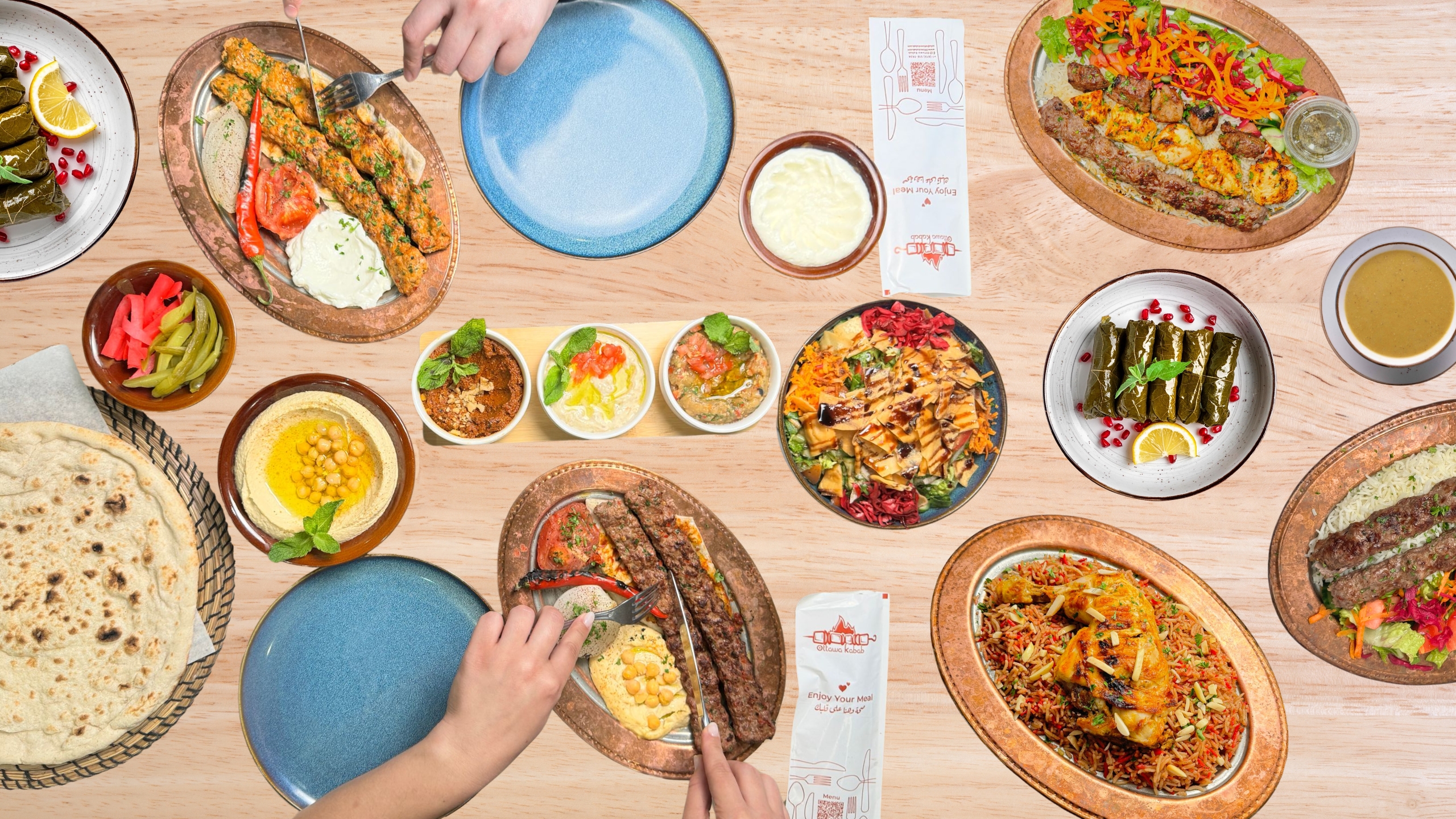
Halal isn’t just a rule—it’s a multi-culture flavors. In Canada—one of the world’s most diverse nations—halal food…

Latest Updates
September 11, 2026

September 9, 2026


September 9, 2026
Guides & Resources

Halal isn’t just a rule—it’s a multi-culture flavors. In Canada—one of the world’s most diverse nations—halal food…

In Afghanistan, a meal isn’t complete until the guest is full—and then offered seconds Afghan cuisine is…
Walking through Ottawa Kabab's doors, I immediately noticed an inviting atmosphere built around authentic hospitality and fresh…

Eid al-Fitr: The Joyous Reward After Ramadan A Celebration of Gratitude, Unity, and JoyEid al-Fitr, often referred…
A Middle Eastern Legend bringing authentic flavors to your table
How much does halal certification cost in Canada? Compare published fees, first-year estimates, renewal costs and the factors that change your quote.
September 12, 2026 | Last Update September 12, 2026 9:07 pm

Halal certification in Canada does not have one fixed price. Published examples range from $799 CAD for a simple product package to about $3,200 CAD for a restaurant’s first year, while manufacturers, slaughter facilities and exporters are usually quoted individually.
The difference is not random. A certifier may need to review ingredients, suppliers, recipes, production lines, cleaning procedures, traceability records and the facility itself. Ongoing monitoring, travel, product testing and export-market recognition can add to the total.
This guide compares several published prices and explains what your business should include in its budget. Prices were reviewed in September 2026 and can change, so always request a written quote before applying.

For a small and straightforward Canadian business, a practical starting budget is often about $800 to $3,200 CAD, based on the public examples below. That is not a universal market rate: the lower and upper examples cover different services and business types.
A multi-site manufacturer, slaughter operation, business with many products, or exporter needing international recognition should expect a custom quote that may be higher.
| Provider and scope | Published price | What the number tells us |
|---|---|---|
| Halal Certification Services of Canada — Basic | $799 CAD | One year for 1–3 products, with product review, testing/analysis and logo use listed as included. |
| Halal Certification Services of Canada — Small Business | $1,399 CAD | Two years for 1–6 products, with product review/analysis and logo use listed as included. |
| Halal Certification Services of Canada — Corporate | $3,696 CAD | Five years for 1–10 products, with product review, testing/analysis and logo use listed as included. |
| Halal Monitoring Authority Canada — Restaurant | $200 application + about $250/month | About $3,200 in the first year by simple arithmetic. HMA says the monthly average covers regular inspections, administration and social-media marketing. |
| American Halal Foundation — North American benchmark | USD $250–$7,000/year | A U.S. industry estimate, not a Canadian quote. It shows how widely prices can move when products, facilities and audit frequency change. |
The most useful conclusion is not that every business should pay within one narrow range. It is that scope determines price. Before choosing a provider, compare the service, standards, monitoring model and recognition—not only the fee. THF’s guide to halal certification organizations in Canada can help you build a shortlist.
A quote may combine several charges or list them separately:
For example, the Halal Montreal Certification Authority does not publish a general price list. Its process says pricing is provided after inquiry and that invoices can include the audit inspection, travel and auditor per diem, facility certification, a one-time product review and product certification. That is why a quote-only provider may need much more information before giving you a number.
A restaurant may pay for ongoing supplier checks and regular site monitoring. A packaged-food brand may be priced by product count and ingredient complexity. A manufacturer can require a deeper audit of production lines, shared equipment, sanitation and traceability.
One simple product made at one facility is easier to assess than dozens of SKUs made at multiple plants. Ask whether similar products sharing one formula can be grouped or whether each flavour and private label counts separately.
Plant-based ingredients with complete specification sheets are generally easier to review than meat, gelatin, enzymes, flavour carriers, emulsifiers, alcohol-based extracts or animal-derived processing aids. Missing supplier documents create extra work and may delay approval.
If halal and non-halal products use the same space or equipment, the certifier may require validated cleaning, segregation, production scheduling or dedicated tools. Corrective work is a business cost even when it is not part of the certification invoice.
An annual document review is not the same service as frequent or unannounced inspections. To understand the difference between issuing a certificate and supervising continued compliance, read What Is a Halal Monitoring Authority?
If you plan to export, confirm that the certifier is accepted by the destination market and for your product category. International accreditation, additional documentation, shipment certificates or extra audits can change the price significantly.
A low application fee does not reveal the full cost. Ask each certifier for a written breakdown covering the initial review, audit, travel, product fees, testing, monitoring, certificate use and renewal.
Also ask what happens when you add a product, change a supplier, move facilities or fail an audit. Those events can create charges that are not obvious in the first quote.
If you are preparing an application, use THF’s step-by-step guide on how to get halal certification in Canada. Better documentation can reduce delays, repeat reviews and avoidable audit costs.
Canada does not set one national halal standard or one government certification price. However, federal Food and Drug Regulations address how a halal claim may be presented. Under section B.01.050, a food cannot be labelled, packaged, advertised or sold using a representation that it is halal unless the name of the person or body that certified it as halal is shown on the label, package, advertisement or at the sale.
You can read the wording in the Canada Gazette’s halal-food amendment. The rule improves disclosure; it does not create a single Canadian certifier or a fixed fee schedule.
For restaurants and consumers, it is also important to understand that buying certified meat is not automatically the same as having the whole restaurant certified. THF explains this in Halal Sticker vs. Halal Certificate.
Based on the published Canadian examples reviewed above, a straightforward product package may begin around $799 CAD, while HMA’s published restaurant example works out to about $3,200 CAD in the first year. Your actual scope may fall outside that range.
Usually not. Certificates have a validity period, and continued certification can involve renewals, surveillance audits or regular monitoring. Ask for both the first-year total and the expected annual cost after that.
They may be quoting different audit frequency, product counts, facilities, testing, travel, logo licensing or international recognition. Compare line by line before deciding that one quote is cheaper.
Price matters, but recognition and service scope matter more. Confirm that the certifier’s standard matches your customers’ expectations and that the certificate will be accepted by your retailer, distributor or export market.
For planning purposes, published Canadian examples currently run from $799 CAD for a limited product package to about $3,200 CAD for the first year of HMA restaurant certification. Larger, more complex or export-focused operations should budget for a custom quote.
Send the same written scope to two or three suitable certifiers. That gives you comparable quotes and helps prevent surprises after the audit begins.