Are Your Favourite Snacks Halal? How to Check Candy, Chips and Gum
The snack aisle can be surprisingly confusing. A friend says a biscuit is halal. A video says…

Latest Updates



October 1, 2026

Guides & Resources

The snack aisle can be surprisingly confusing. A friend says a biscuit is halal. A video says…

Short answer: For most people in Canada, no—you cannot buy a sheep, goat, cow or chicken and…

View this post on Instagram A post shared by Dr. Elzahraa Hassane | Faith-Based Mental Healh Educator…

Ridgeway Plaza is one of Mississauga’s best-known food and community destinations. Located in west Mississauga, it includes…
A Middle Eastern Legend bringing authentic flavors to your table
A Canadian food-policy commentary says halal-certified meat may reach consumers without being labelled halal, raising questions about disclosure, sourcing and certification standards.
Published July 30, 2026 • Updated October 5, 2026
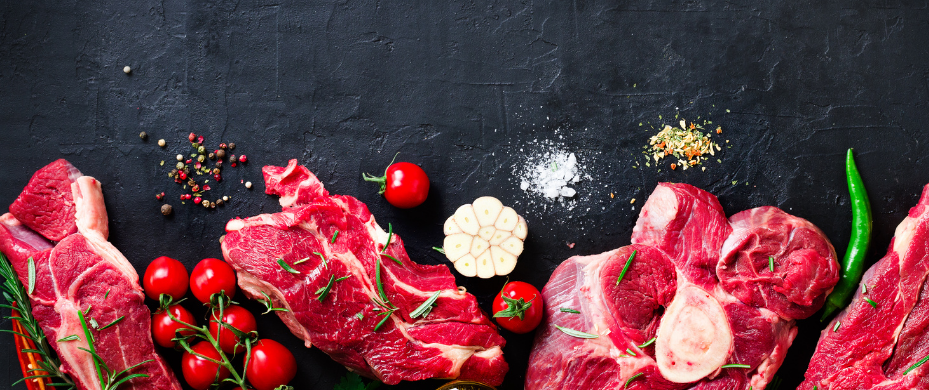
A Canadian food-policy debate is drawing attention to a less visible part of the meat supply: halal-certified meat may sometimes be sold or served without being identified as halal to the final customer.
In a July 30, 2026 commentary republished by Yahoo News Canada, Dalhousie University food researcher Sylvain Charlebois argued that the growth of Canada’s halal meat market has created a transparency gap. His concern is not that halal production is unsafe or unusual, but that consumers, restaurants and public institutions may not always know which certification or processing standard applies to the meat they purchase.
Charlebois explains that large poultry-processing facilities are designed for volume and consistency. Running separate halal and conventional production lines can add labour, storage, scheduling, sanitation and traceability costs. A processor may therefore choose one halal-certified stream that can serve both customers seeking halal meat and buyers who do not request religious certification.
That business decision can expand the potential market for the processor. It can also mean that meat produced under a halal-certified protocol reaches restaurants, retailers or institutions where it is not promoted as halal.
According to the commentary, Canadian rules require a food represented as halal to identify the person or organization that certified it. The rules focus on claims that companies make. They generally do not require a business to advertise halal certification when it is making no halal claim to customers.
This distinction is important. It does not mean that all meat sold in Canada is halal, and halal certification does not change a product’s nutritional value or remove food-safety and animal-welfare obligations. The issue raised is whether buyers should receive more information about how the meat was sourced and certified.
For Muslim consumers, the word “halal” alone may not answer every question. Certification organizations can differ on stunning, hand versus mechanical slaughter, plant supervision and supply-chain controls. Knowing that a product came from a halal-certified facility may be useful, but many consumers also want to know which organization certified it and what that certifier’s standard covers.
The same need for clarity applies in restaurants. A halal-certified supplier, a halal-labelled package and restaurant-level certification are related but not identical. The Halal Food’s guide, A Halal Sticker Is Not a Halal Certificate, explains those differences and offers practical verification steps.
The commentary says the issue can become more sensitive in schools, childcare centres and other publicly funded institutions. Using a single meat supply may simplify purchasing, reduce waste and serve more dietary needs, but families may still expect clear sourcing information and practical alternatives.
Charlebois calls for processors to disclose certification status to commercial and institutional buyers, for retailers and restaurant chains to communicate when an entire meat category is halal-certified, and for public institutions to make basic sourcing information available.
The article’s central point is that halal meat itself is not a threat to Canada’s food system. The concern is opacity. Clearer disclosure could help Muslim consumers verify religious standards while also giving other consumers more information about slaughter and processing methods.
Charlebois also notes that Canada lacks comprehensive national data showing how much meat is processed under halal-certified systems, how much is explicitly labelled halal and how much enters conventional food-service or retail channels without a halal claim. Better data, consistent auditing and accessible certification standards could make the discussion more evidence-based.
For consumers, the practical question is not whether halal meat belongs in Canada’s food supply. It is whether certification and sourcing information are clear enough for everyone to make an informed choice.
Source: This report is based on Sylvain Charlebois’s commentary, “Have you eaten halal meat without knowing it?”, published by the Toronto Sun and republished by Yahoo News Canada on July 30, 2026.