All You Need To Know About Afg
In Afghanistan, a meal isn’t complete until the guest is full—and then offered seconds Afghan cuisine is…

Latest Updates
September 18, 2026

September 15, 2026
September 15, 2026

September 11, 2026
Guides & Resources
In Afghanistan, a meal isn’t complete until the guest is full—and then offered seconds Afghan cuisine is…
Walking through Ottawa Kabab's doors, I immediately noticed an inviting atmosphere built around authentic hospitality and fresh…

For many Muslims, the phrase “halal mortgage” sounds contradictory. A conventional mortgage is a loan secured against…

What is Eid al-Adha? The Festival of Sacrifice and Devotion While Eid al-Fitr marks the end of…
A Middle Eastern Legend bringing authentic flavors to your table
Are candy, chips and chewing gum halal? Learn how to check gelatin, glycerol, flavourings and certification on snacks sold in Canada.
Published September 23, 2026 • Updated September 23, 2026
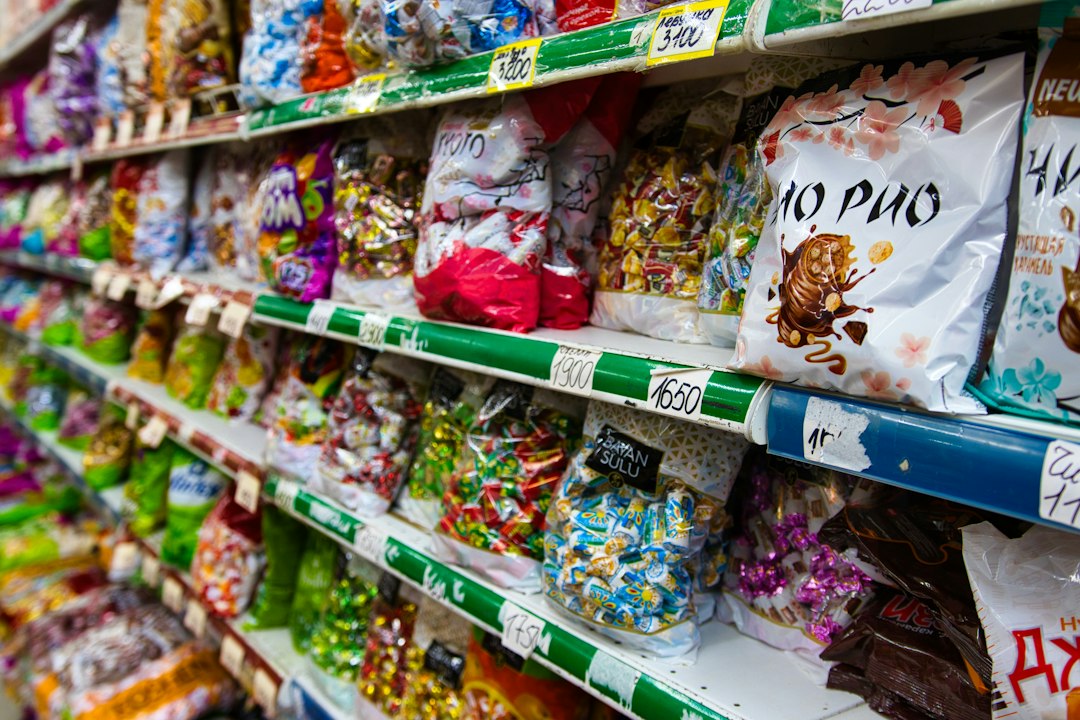
The snack aisle can be surprisingly confusing. A friend says a biscuit is halal. A video says a familiar chip is not. Then another video shows a different flavour with a halal mark. Which answer should you trust?
Start with the specific product, flavour and package sold where you shop. Ingredients and suppliers can differ between flavours, countries and reformulations. An old video, a barcode scanner or a brand-wide claim cannot settle the status of every package.
As someone who works with chemicals and ingredients, I look first at what the label actually says, then at what it cannot tell me. Here is a practical way to shop without turning every unfamiliar word into a warning.
Look at the front and back of the package for a halal mark and the name of the certifying organization. In Canada, when a food is represented as halal, the label or advertisement must identify the person or body that certified it. If you are unsure about a symbol, check the certifier’s website or contact details and confirm that the particular product is covered.
A shop’s “halal treats” collection is a useful place to discover options, but the collection title does not replace checking the package. For example, Canadian retailer Extreme Snacks has a halal-certified treats collection. Check the individual item’s packaging and certification when ordering, especially for imported or limited-edition snacks.
No halal logo does not automatically mean a snack is haram. It means the label alone may give you less assurance about ingredients whose sources matter.
| Ingredient or label term | Why it deserves a second look | What to do |
|---|---|---|
| Gelatin | Made from animal collagen; a label may not identify the animal or how it was processed. Common in gummies and marshmallows. | Look for product-specific halal certification or ask the manufacturer about its source and certification. |
| Glycerol / glycerin | Can be produced from different feedstocks. Its name alone does not prove an animal source. | Check certification or request source information; do not assume that every gum containing glycerol is haram. |
| Flavourings | A general flavour description may not reveal every source or carrier relevant to a shopper’s standards. | Check the manufacturer’s product information or ask a certifier if the label leaves a question. |
| Cheese or dairy seasoning | Some cheese ingredients involve enzymes whose source may matter. | Verify the specific flavour instead of applying one answer to the entire chip brand. |
| Shellac / confectioner’s glaze | An insect-derived coating used on some sweets; views and certification standards can differ. | Follow the certifier you trust or choose a clearly certified alternative. |
This is a checklist, not a list of forbidden ingredients. A chemical name often describes a substance, not its complete origin or halal status. For a closer look at one especially common candy ingredient, read THF’s guide to beef gelatin.
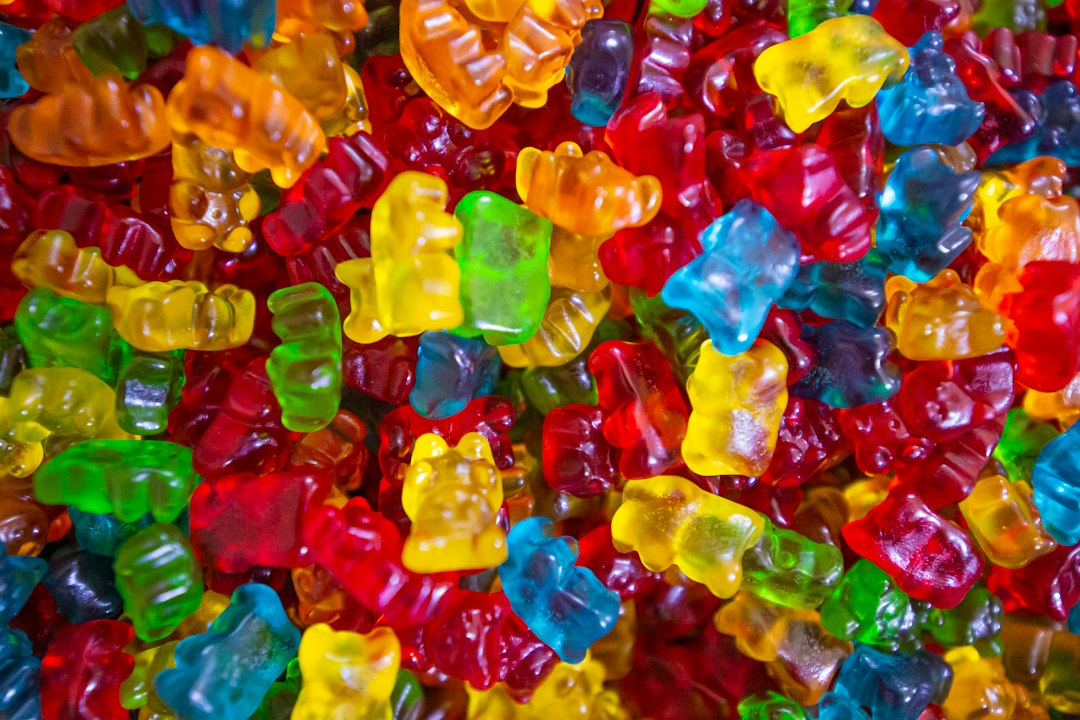
Gummy candy may use animal gelatin, while other sweets use ingredients such as pectin or starch for texture. Finding “gelatin” on a package is a reason to verify its source, even when the front says “beef.” Beef identifies an animal; it does not, by itself, establish halal certification.
“Vegan” can help narrow your search because it rules out animal-derived gelatin under the product’s vegan claim. It is still a different claim from halal certification. A kosher symbol also has its own rules; it is not a universal substitute for a halal mark. THF discusses that distinction in Can Muslims Eat Kosher?.
Plain and seasoned versions of the same snack can have different ingredient lists. A cheese-flavoured chip deserves a different check from a plain salted one. Country-specific recipes and packaging can also differ.
That explains how two posts about SunChips might appear to disagree without proving that either applies to the package in your hand. Before sharing “SunChips are halal” or “SunChips are not halal,” identify the flavour, country, ingredient panel, certification and date. Apply the same care to claims about Oreo, Ritz or any other familiar biscuit. A comment under a video is a lead to investigate, not verification.
“Gum base” describes the part that gives chewing gum its chew. It is not another name for gelatin, glycerol or lanolin. Those are distinct ingredients and should not be assumed to be secretly present simply because “gum base” appears on a label. Some gum formulations may include glycerol separately; check the full ingredient list.
If you cannot establish the source of an ingredient important to you, choose a gum with verified halal certification or contact its maker. Plant-based or vegan claims may answer an animal-source question, but they should be read on their own terms.
You can explore halal grocery stores in THF’s directory for shops that carry snacks, candy and imported treats. A store listing helps you find a place to browse; it does not certify every item on its shelves. Read each package before buying.
The practical takeaway: A snack’s halal status belongs to the specific product, with its current formulation and evidence. Read the label, verify the claim and give uncertain ingredients a fair check before declaring a whole brand halal or haram.
Featured photo: 𝕡𝕒𝕨𝕤 𝕒𝕟𝕕 𝕡𝕣𝕚𝕟𝕥𝕤 / Unsplash.