What is Eid al-Fitr?
Eid al-Fitr: The Joyous Reward After Ramadan A Celebration of Gratitude, Unity, and JoyEid al-Fitr, often referred…

Latest Updates
September 11, 2026

September 9, 2026

September 9, 2026
Guides & Resources

Eid al-Fitr: The Joyous Reward After Ramadan A Celebration of Gratitude, Unity, and JoyEid al-Fitr, often referred…

What Is a Halal Monitoring Authority? A halal monitoring authority is an organization that inspects and verifies…

The framework of Islamic nutrition is built on two concepts: Halal (permissible) and Haram (forbidden). These laws…
Have you ever wondered why Pakistani cuisine is winning hearts across Canada? It’s not just the rich…
A Middle Eastern Legend bringing authentic flavors to your table
Can you perform hand-slaughtered zabiha on private property in Canada? Learn the rules for licensed facilities, ritual slaughter, farm exemptions and Qurbani.
September 12, 2026 | Last Update September 12, 2026 11:31 am
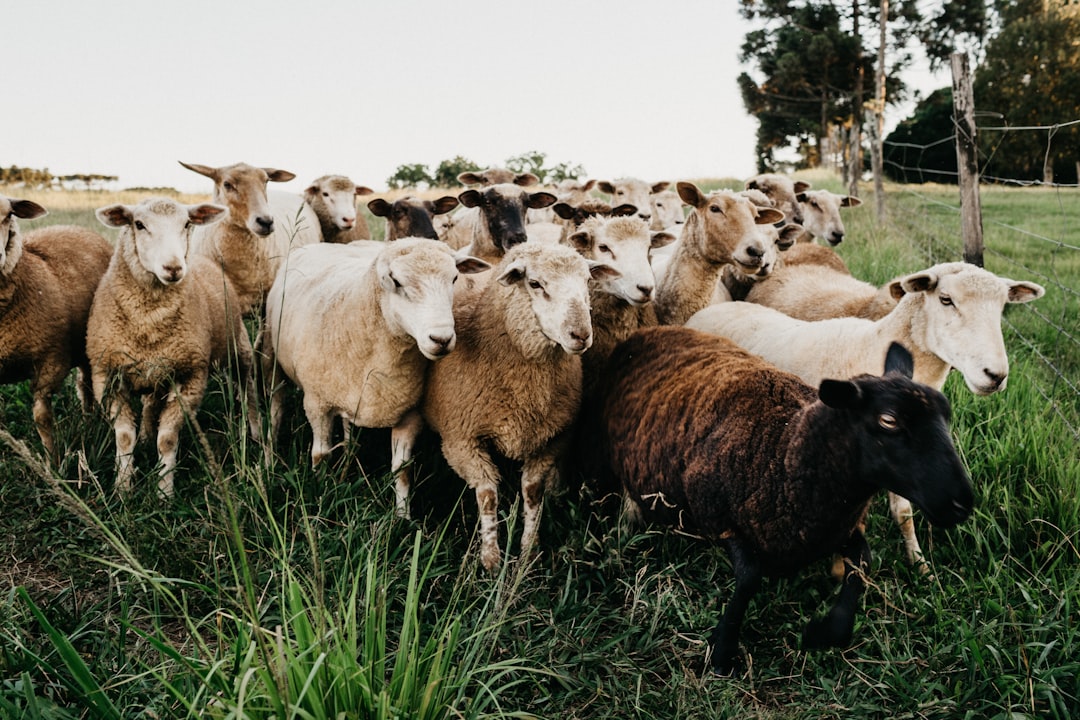
Short answer: For most people in Canada, no—you cannot buy a sheep, goat, cow or chicken and perform zabiha in your backyard, garage, on rented private land or in a public area. Hand-slaughtered halal meat is legal in Canada, but food-animal slaughter is regulated by federal and provincial governments.
The usual legal option is to arrange the slaughter through a federally licensed establishment or a provincially licensed meat plant that permits halal ritual slaughter. A narrow on-farm personal-use exemption may exist in some provinces, including Ontario, but it does not apply to an ordinary consumer who purchases an animal and takes it home for slaughter.
Yes. Canada does not ban halal or kosher ritual slaughter. The Canadian Food Inspection Agency (CFIA) states that ritual slaughter is allowed and that federal animal-welfare rules apply to all federally regulated slaughter, including halal slaughter.
Under section 144 of the Safe Food for Canadians Regulations, a federal licence holder conducting ritual slaughter according to Islamic or Judaic law must restrain the animal, make the required continuous and fluid cut, and rapidly bleed the animal so that it becomes unconscious and cannot regain consciousness before death.
This means the religious method itself is permitted. The legal problem arises when slaughter is carried out at an unauthorized place or outside the applicable federal, provincial and local rules.
Owning or renting private property does not automatically make animal slaughter legal. For a typical Canadian resident, a backyard, garage, driveway, warehouse, rented field or cottage is not an approved slaughter facility.
In Ontario, the government says that a person cannot simply purchase a food animal, take it home and slaughter it for personal use. Meat intended for sale, delivery or distribution must come from an inspected animal slaughtered in a provincially licensed meat plant, a federally licensed establishment or through a permitted import.
Municipal zoning, animal-control, firearms, noise, waste-disposal and public-health rules may also apply. A property owner’s permission cannot override those laws.
No public park, parking lot, roadside, community field or similar public space should be treated as a lawful place for zabiha. These locations are not licensed slaughter establishments and are also subject to municipal property, public-safety and sanitation rules.
For Eid al-Adha or another religious occasion, use a recognized farm or slaughter facility that has confirmed it is legally authorized to provide the service. Do not assume that an event is legal simply because it is advertised as “halal,” “zabiha” or “Qurbani.”
There can be a limited provincial exception, which is why a simple Canada-wide statement that “nobody may slaughter on private property” would be inaccurate.
Ontario provides an on-farm exemption for a producer who owns and raised the food animal on the producer’s premises. The slaughter must take place on that same farm, and the meat must be consumed only by the producer or the producer’s immediate family on those premises. The meat cannot be sold, shared, donated, delivered, distributed or transported away from the farm.
This is not a backyard-slaughter exemption for the general public. Buying an animal shortly before Eid or another occasion does not make the buyer its producer, and transporting the animal to a home or unrelated private property does not satisfy Ontario’s on-farm conditions.
Rules vary by province and can change. Anyone who believes a farm exemption applies should confirm the current requirements directly with the provincial agriculture or food-inspection authority before making arrangements.
The government licence generally belongs to the slaughter establishment or its operator—not simply to a halal certification organization.
At the federal level, facilities involved in interprovincial or international trade require a Safe Food for Canadians licence. Facilities operating entirely within one province are governed by that province’s requirements. A provincial licence or approval may therefore apply instead of a federal one.
A halal certification body may verify religious requirements, approve slaughterers, audit procedures or monitor production. That religious certification is important to many Muslim consumers, but it is different from the government authorization needed to operate a slaughter facility.
The CFIA’s guidance also recognizes that the person making the ritual cut may be an employee or a contracted slaughterer. The licence holder remains responsible for the process, animal welfare, training, monitoring and corrective actions. The facility’s preventive control plan should document the slaughterer’s competence and any relevant qualification or certification from an appropriate religious organization.
Federal rules normally require animals to be rendered unconscious before they are suspended and bled. However, the regulations contain a specific exception for ritual slaughter that allows the prescribed ritual cut before the animal becomes unconscious.
The CFIA says pre-cut or immediate post-cut stunning should be encouraged where compatible with the applicable religious requirements, but routine post-cut stunning is not automatically required in every ritual-slaughter operation. The animal must still be handled humanely, must not experience avoidable suffering, and must become unconscious before being suspended on the slaughter line.
Whether meat from a stunned animal meets a person’s halal standard is a religious-certification question, separate from the legal requirements. Consumers who follow a particular standard should ask the supplier or certifier whether stunning is used and which organization supervises the halal process.
Generally, no. Ontario specifically says its Meat Regulation does not permit an individual to purchase a food animal, take it home and slaughter it for personal use or distribution. The narrow farm exemption is for a producer who owns and raised the animal on the same premises and keeps the meat there for the producer’s immediate family.
Hiring an experienced Muslim slaughterer does not turn a home into an authorized slaughter facility. Unless a specific provincial on-farm exemption applies to the producer and premises, the slaughter should take place through an appropriately licensed or approved establishment.
No. Ontario’s on-farm personal-consumption exemption says the meat cannot be sold, shared, donated, delivered, distributed or transported away from the producer’s premises.
Not necessarily. Halal certification addresses religious compliance. Federal or provincial licensing and inspection address legal food-safety and animal-welfare requirements. Responsible buyers should distinguish between the two.
No. “Hand-slaughtered” describes who makes the cut; it does not by itself prove that all Islamic requirements were followed. Halal status may also depend on the animal, the slaughterer, the invocation, the cut, stunning practices, handling and prevention of cross-contamination.
Hand-slaughtered zabiha is legal in Canada, but that does not give the public permission to slaughter food animals wherever they choose. For most Canadians, the lawful and safest route is a federally or provincially regulated slaughter facility that follows the required animal-welfare rules and can also document its halal process.
A narrow on-farm exemption may apply to qualifying producers under provincial law, but it should not be confused with permission to buy an animal and slaughter it at home. When in doubt, contact your provincial agriculture or food-inspection authority and your municipality before proceeding.
This article provides general information, not legal or religious advice. Rules may differ by province and municipality. Confirm current requirements with the responsible government authority and consult a qualified scholar or halal certifier about religious questions.
Related reading: Hand-Slaughtered vs. Machine-Slaughtered Halal Meat · Top Halal Certification Organizations in Canada · Halal Sticker vs. Halal Certificate