All You Need To Know About Afghan Cuisine
In Afghanistan, a meal isn’t complete until the guest is full—and then offered seconds Afghan cuisine is…

Latest Updates



October 1, 2026

Guides & Resources
In Afghanistan, a meal isn’t complete until the guest is full—and then offered seconds Afghan cuisine is…

What is Eid al-Adha? The Festival of Sacrifice and Devotion While Eid al-Fitr marks the end of…

Walk through almost any Canadian city with a large Muslim community and you will see the word…

What Is a Halal Monitoring Authority? A halal monitoring authority is an organization that inspects and verifies…
Is beef gelatin always halal? Discover the difference between standard bovine and Halal-certified gelatin, common foods that contain it.
Published April 15, 2026 • Updated September 10, 2026
Beef gelatin is one of the most common ingredients in the global food industry, has the ability to transform liquids into stable, chewy, or creamy textures.
However, for those following a halal diet, this ingredient often presents a significant challenge.
While the name "beef" suggests a permissible animal source, the reality of its production means that the term alone does not guarantee a product is suitable for consumption under Islamic law.

New 2026 research is improving scientists’ ability to distinguish bovine, porcine and fish gelatin. For halal consumers, the technology could strengthen ingredient authentication — but proving that gelatin comes from beef is still not the same as proving that it is halal.
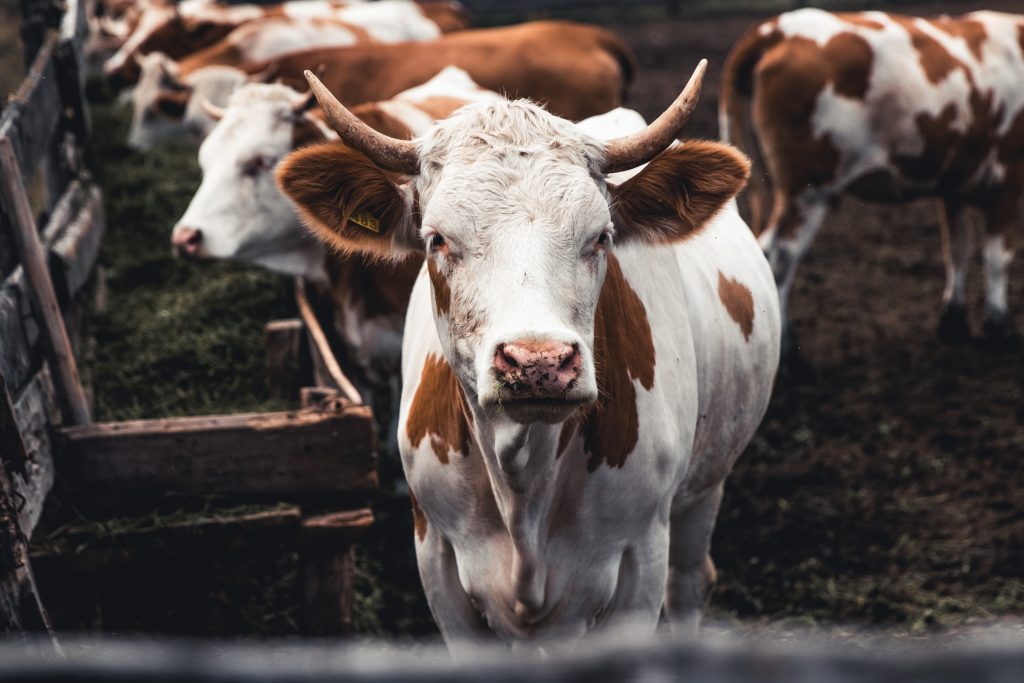
Read storyBeef gelatin is not always halal simply because it comes from a cow. In Islamic law, the permissibility of animal-derived products depends on two factors: the species of the animal and the method of slaughter.
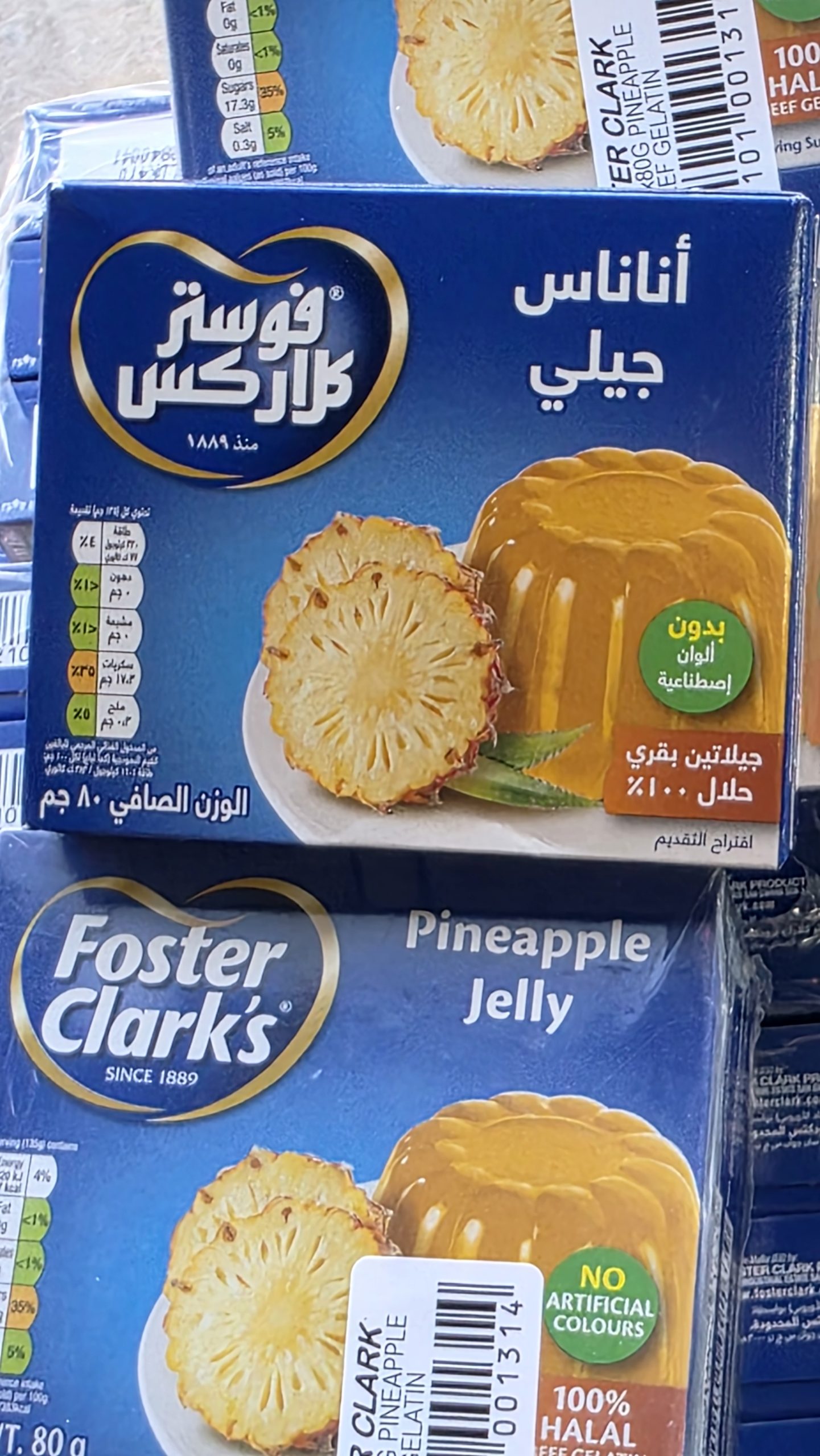
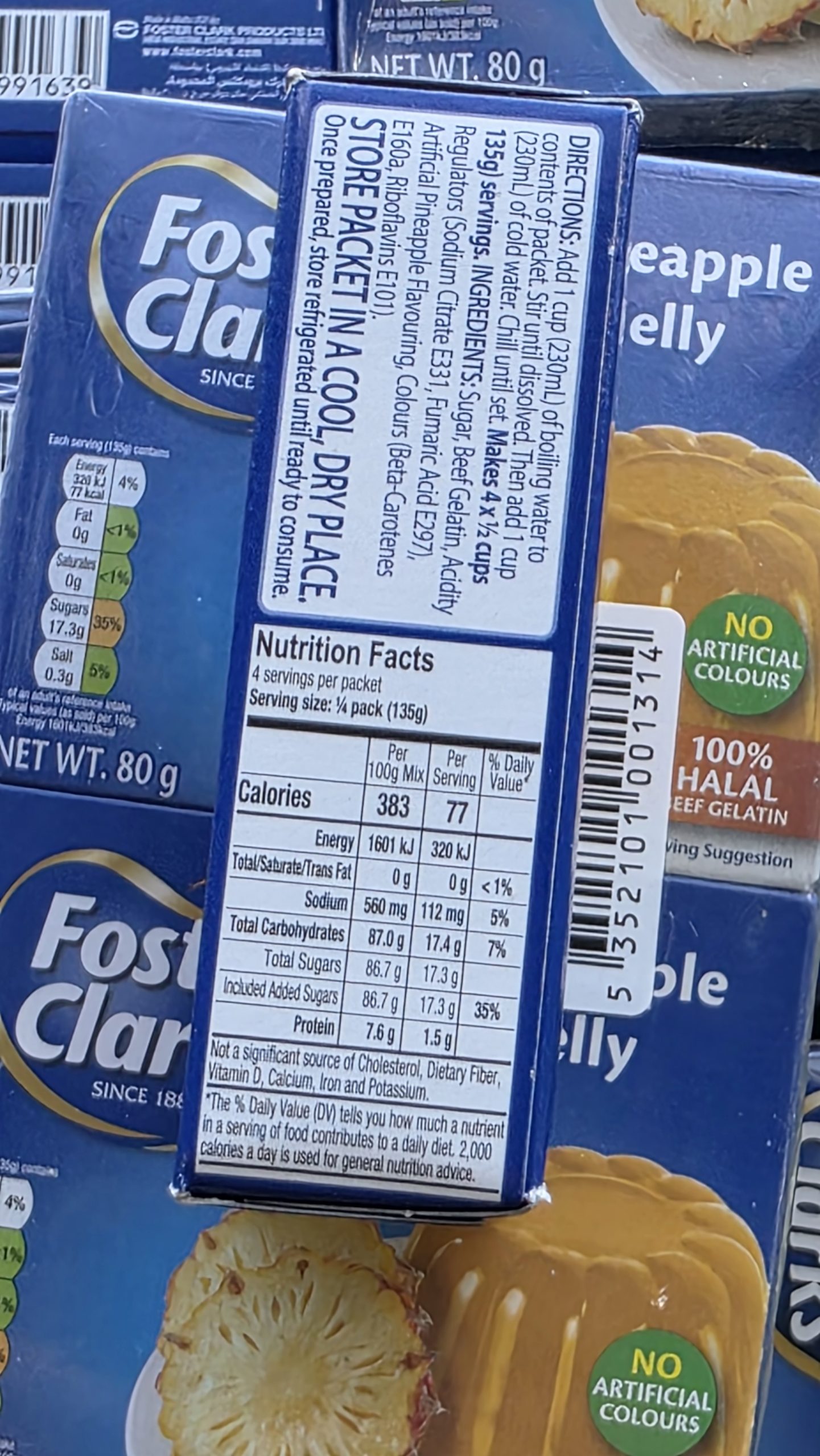
Foster Clark’s Pineapple Jelly is a useful example of what halal-conscious shoppers should look for on packaged foods. The box lists beef gelatin in the ingredients and prominently states “100% Halal Beef Gelatin” on the front. This is much clearer than a label that simply says “gelatin,” because it identifies both the animal source and the manufacturer’s halal claim.
However, the wording on a package should still be read carefully. “Beef gelatin” by itself does not automatically establish that the gelatin is halal; consumers should look for an explicit halal statement or recognized certification and, when needed, verify the manufacturer or certifying body.
Beef gelatin is a "hidden" ingredient in many household staples. It is often used to improve mouthfeel, prevent liquid separation, or provide a specific chewiness. You will frequently find it in the following:
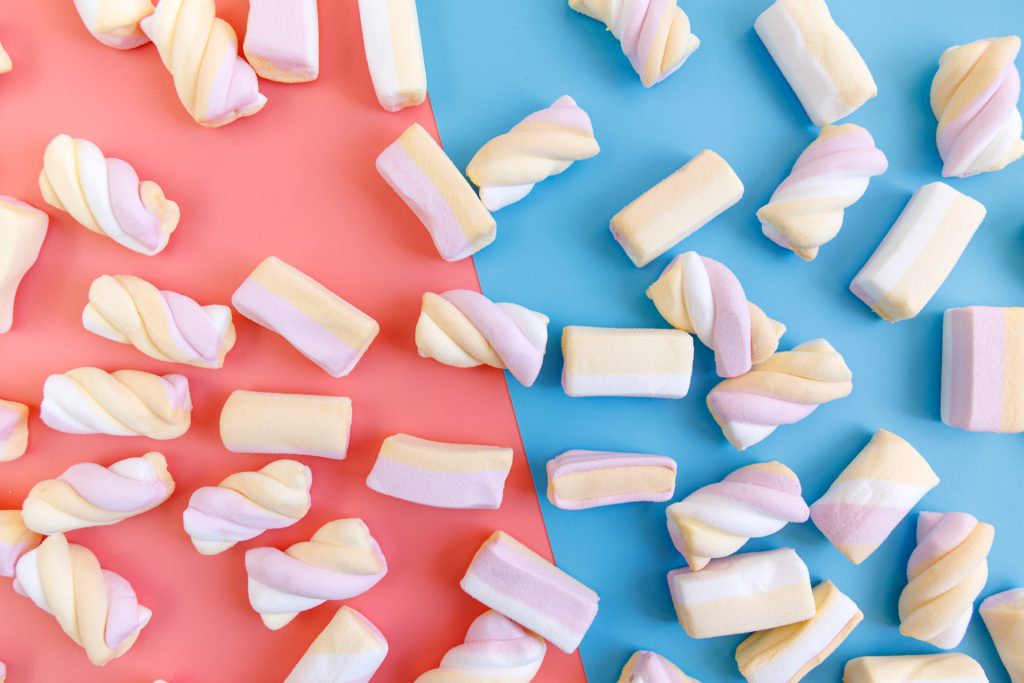
The springy texture comes from specific proteins and starches in food providing the light fluffy concept. Beef gelatin is what gives marshmallows their stretchy bounce and gummies their satisfying chew. Without it, these candies would simply be flat, sugary syrup with no structure at all. This is one of the most common products where halal consumers need to check the label carefully, since most mainstream gummies use cheaper pork-based gelatin instead. Always look for a halal certification before buying marshmallows or gummy candies from a regular grocery store.
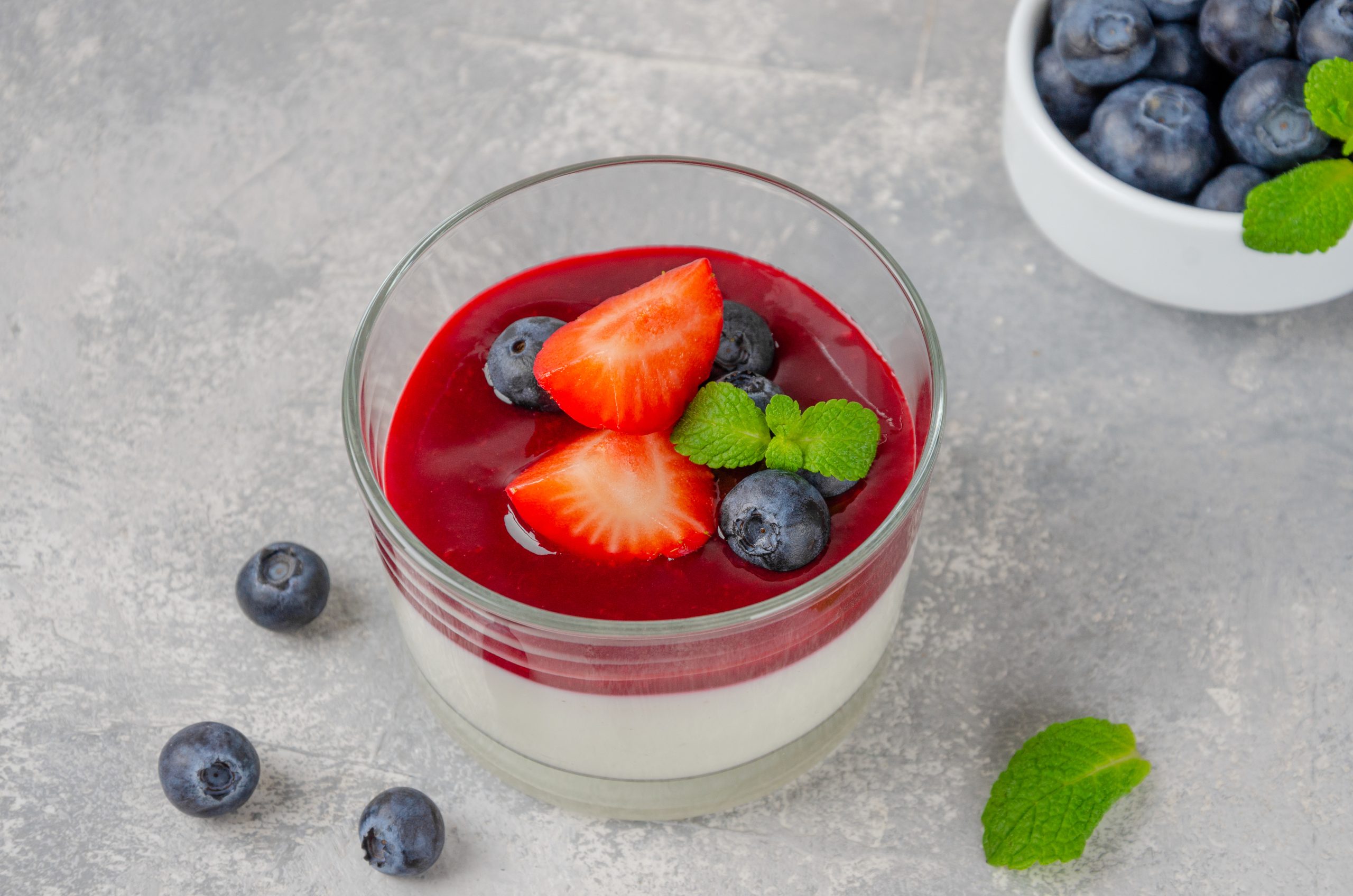
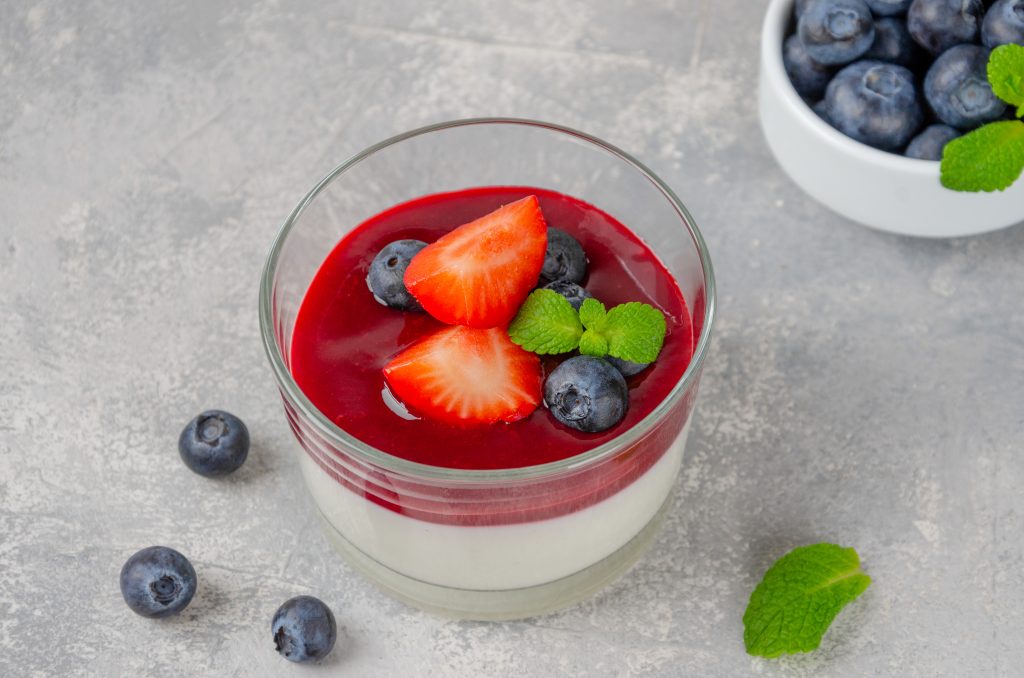
Acts as the primary thickening agent. In panna cotta, gelatin is what transforms simple cream and sugar into that signature silky, wobbly texture. The same applies to many custard-based desserts, where it helps the mixture hold its shape once chilled. Because these desserts are often served in restaurants and cafes, it can be difficult to know the source of the gelatin used. Asking the establishment directly or choosing certified halal dessert shops is the safest way to enjoy these treats.
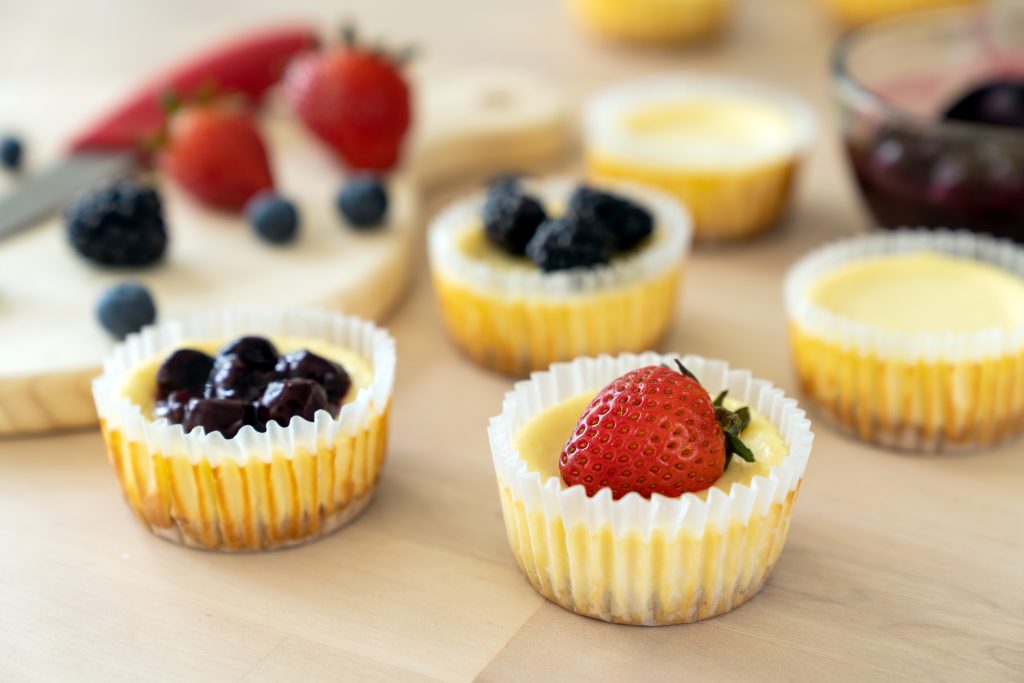
Specifically in "no-bake" varieties to help the filling set. Since these cheesecakes are never exposed to heat, gelatin is essential for giving the dessert its firm, sliceable structure. Baked cheesecakes rely less on gelatin, but many no-bake recipes cannot achieve the right consistency without it. This makes no-bake cheesecake one of the desserts where the gelatin source matters most for halal-conscious consumers. Checking the ingredient list or asking the bakery about their gelatin source is highly recommended.
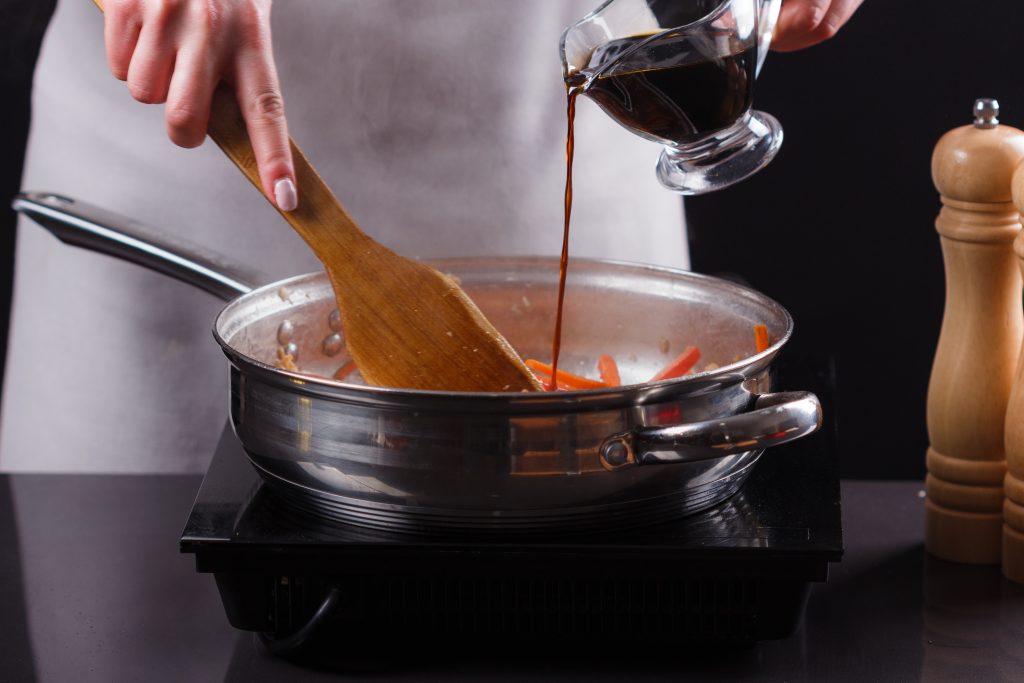
Similar to cornstarch but sourced from beef, used in kitchens to thicken liquid and create a glossy and rich finish. Gelatin-based glazes are commonly used to give cakes, pastries, and even some savory dishes an appealing, shiny surface. Sauces that need a smooth, slightly thick consistency without altering the flavor often rely on this ingredient as well. Since glazes and sauces are frequently used in restaurant presentation, their gelatin source is rarely listed on a menu. For halal diners, it is worth asking the kitchen staff directly when ordering glazed or sauced dishes.
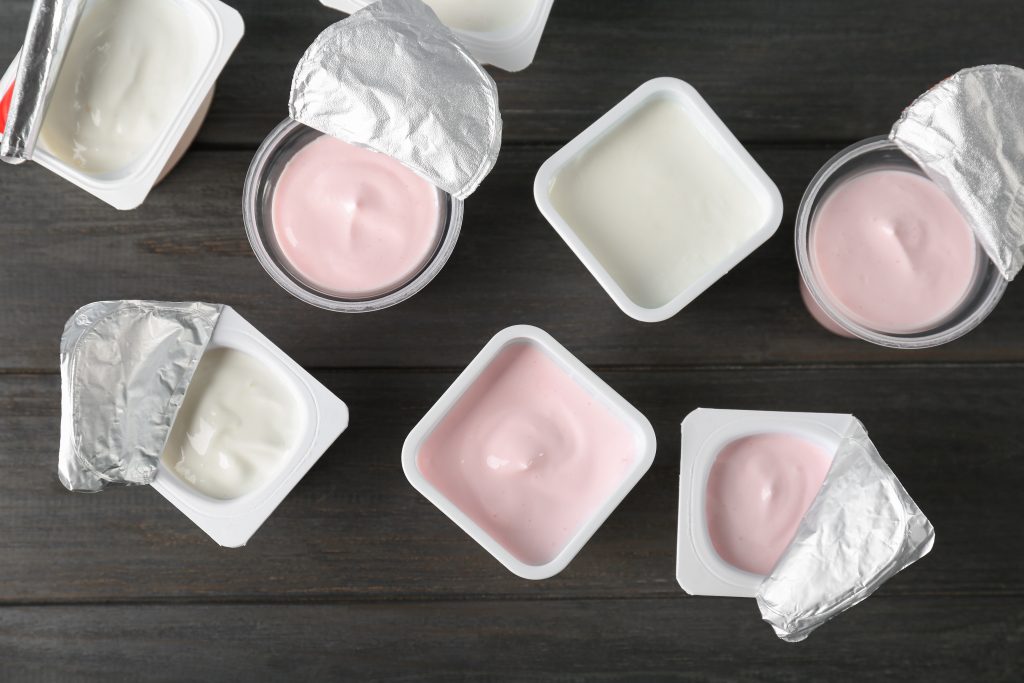
Adds creaminess without adding much fat. Some yogurt brands use small amounts of gelatin to achieve a thicker, richer mouthfeel without relying on extra cream or fat content. The same technique is used in certain spreads and dips to give them a smooth, spreadable consistency. This makes gelatin a popular choice for "light" or "low-fat" product lines marketed as healthier options. Reading the ingredient list carefully is especially important here, since the word "gelatin" alone does not confirm a halal source.
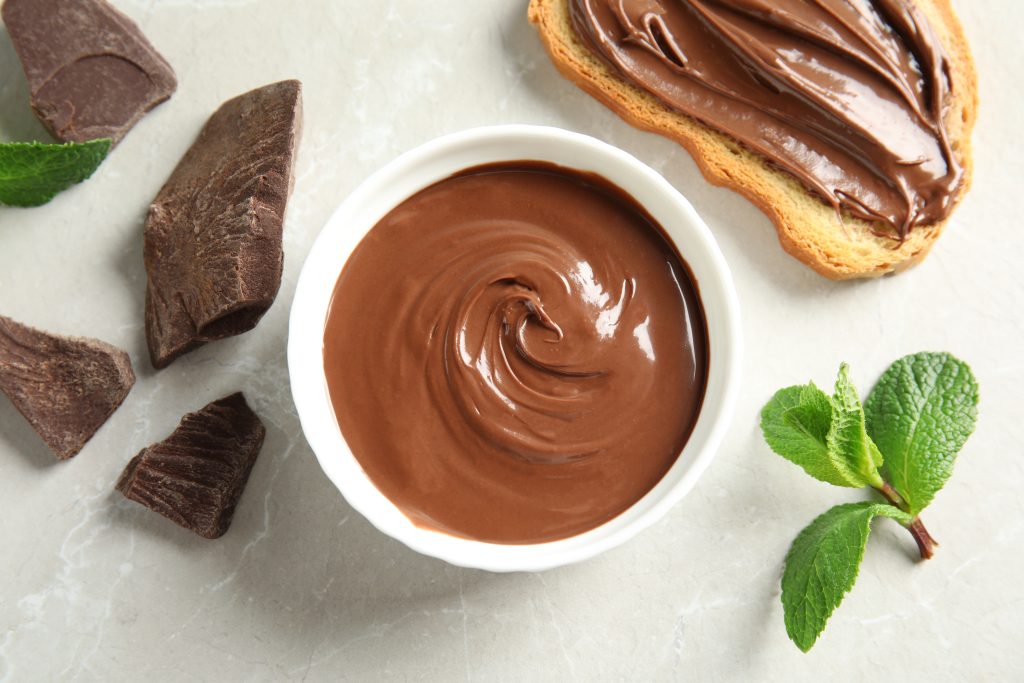
Found in some chocolate truffles and cream-filled bars to maintain stability at room temperature. Gelatin helps fillings stay soft and creamy without melting or separating, even when the product sits outside refrigeration for some time. This is especially common in chocolate-coated treats, layered desserts, and filled pastries sold at room temperature. Because these products often travel long distances before reaching store shelves, manufacturers depend on gelatin's stabilizing properties. As always, a visible halal certification logo is the most reliable way to confirm the filling meets Islamic dietary requirements.
In the world of pastry and confectionery, beef gelatin is a superstar. Most often sold as a fine powder, it is incredibly easy to use: it is bloomed in cold water and then dissolved into warm liquids. In cakes and mousses, it provides the structural integrity needed to hold a shape once sliced. For gummies, it creates that signature "bounce." It is also the secret to stabilizing whipped cream, ensuring that decorative swirls on a cake don't wilt or lose their form over time.
| Type | Source | Halal Status | Common Uses |
|---|---|---|---|
| Beef Gelatin | Cattle (Bovine) | Doubtful | Baking, Gummy candies |
| Halal Beef Gelatin | Cattle (Bovine) | Halal | Certified Halal products |
| Non-Halal Gelatin | Pigs (Porcine) | Not Halal | Cheap candies, Marshmallows |
Before adding a gelatin-based product to your cart, check for these indicators:
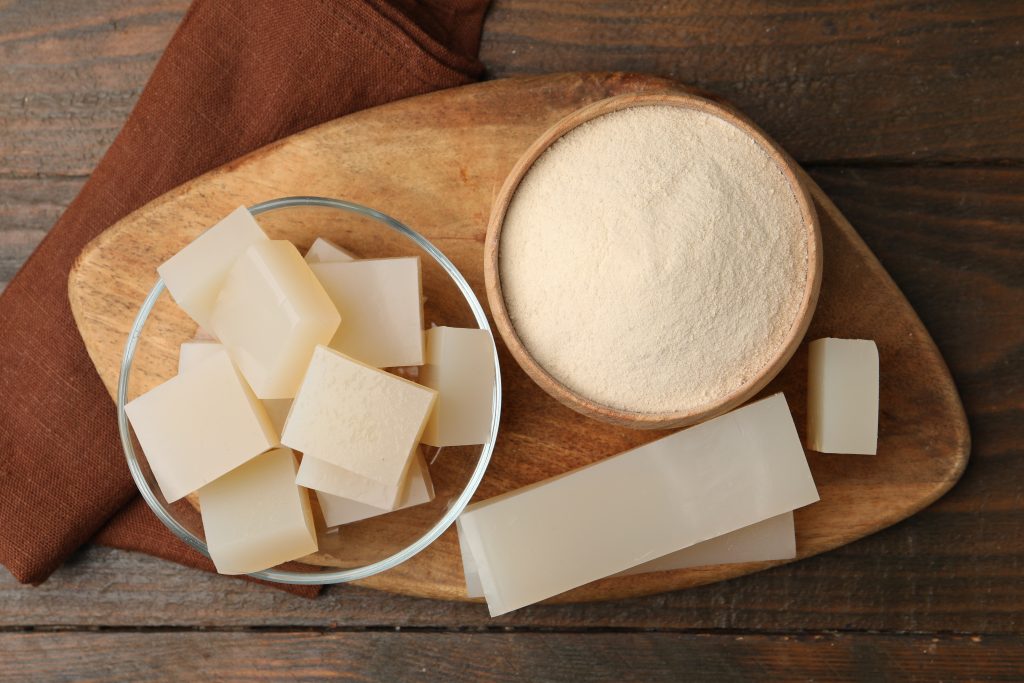
Agar-agar and beef gelatin are both commonly used as gelling agents in food products.
While beef gelatin is derived from animal collagen, agar-agar is made from red seaweed, making it a plant-based alternative. Agar-agar produces a firmer texture, sets more quickly, and remains stable at room temperature, whereas beef gelatin creates a softer, more elastic consistency. For consumers seeking vegan, vegetarian, or animal-free ingredients, agar-agar offers an effective substitute while delivering excellent results in desserts, candies, jellies, and baked goods.
While beef gelatin is a functional and widely used ingredient, it is not a "safe" label for halal consumers by default. Because the permissibility hinges entirely on the slaughtering process of the cattle, the burden of proof lies in certification. To ensure your diet remains strictly halal, always prioritize products that carry a visible halal logo or utilize plant-based gelling agents.