All You Need To Know About Afg
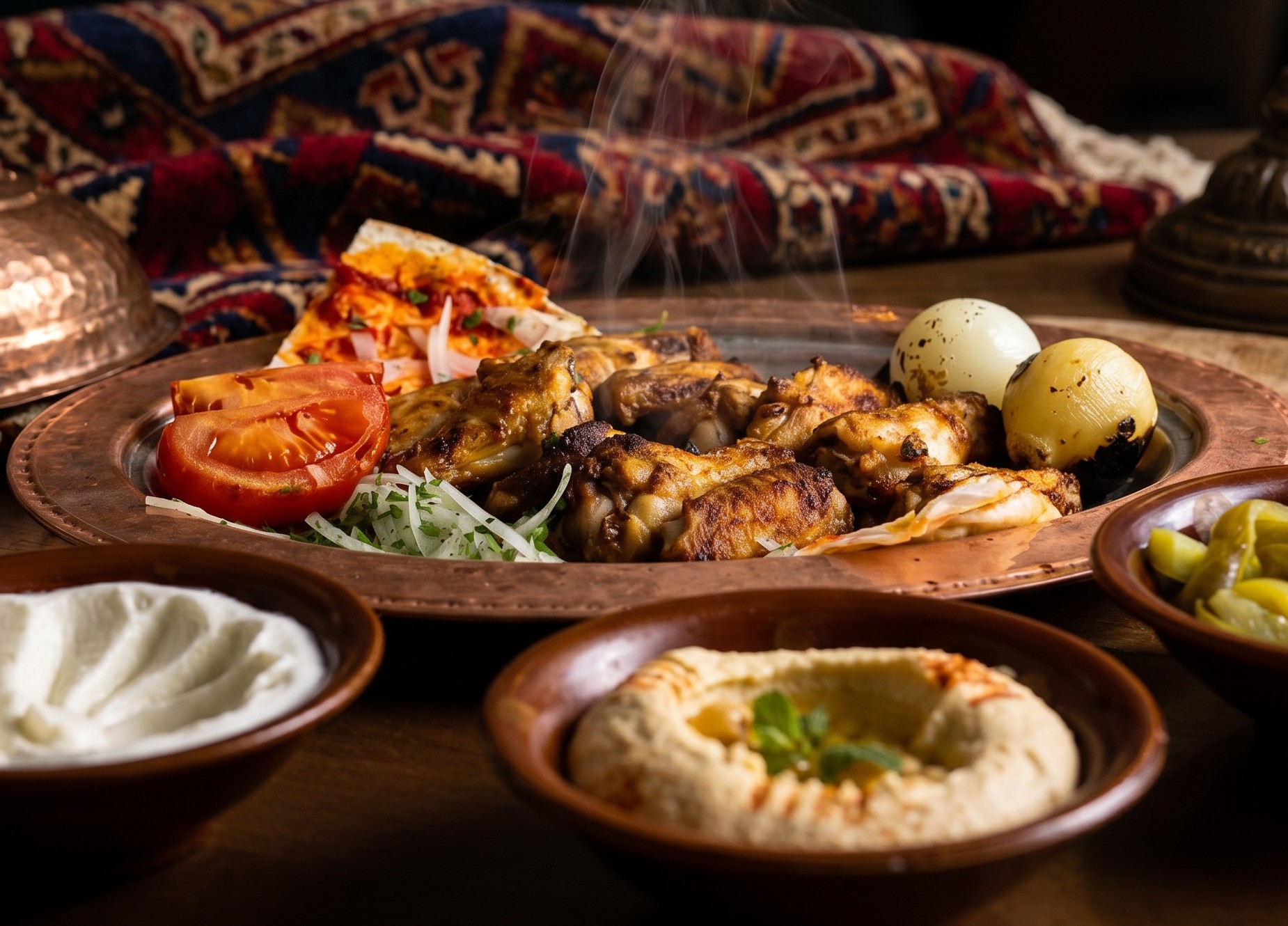
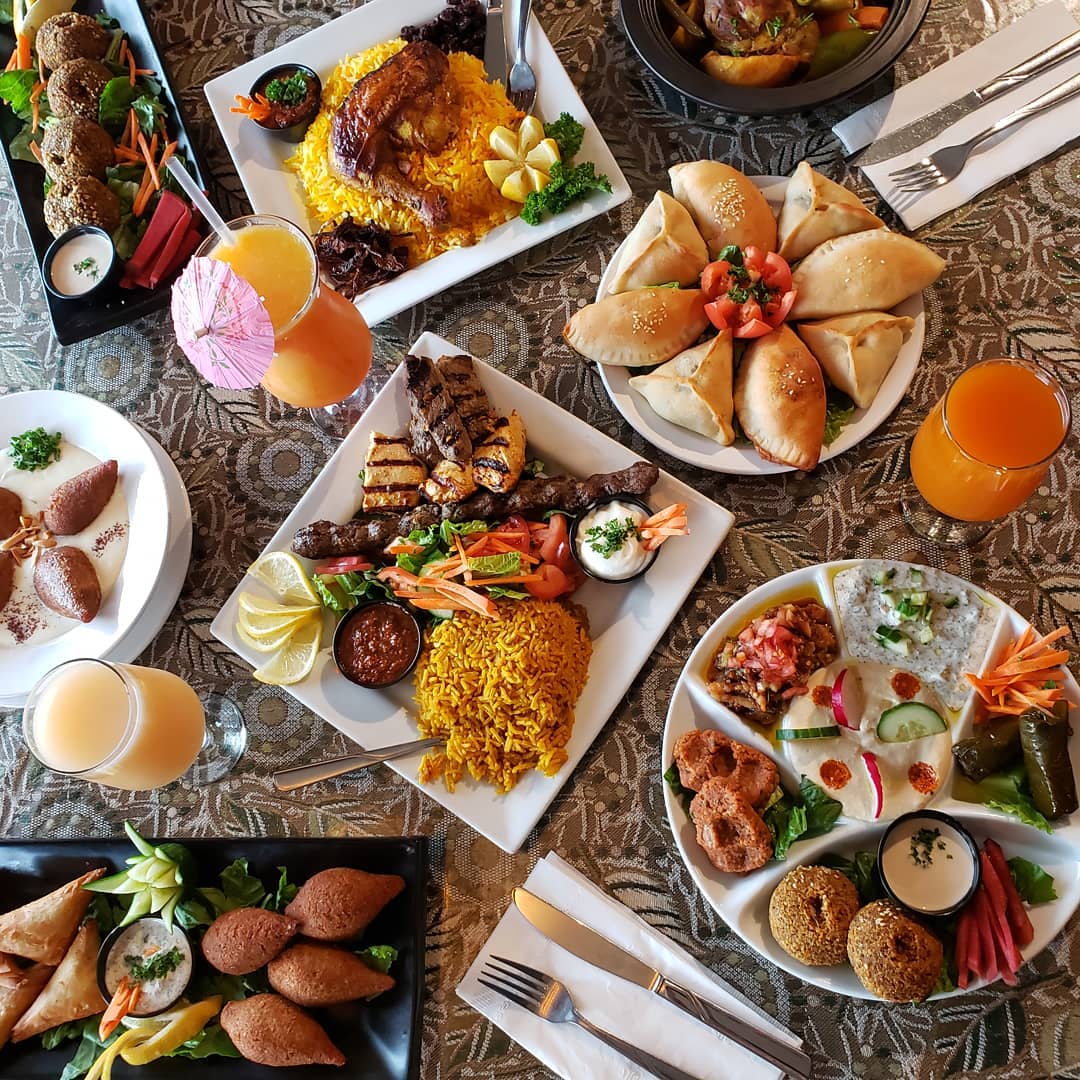
In Afghanistan, a meal isn’t complete until the guest is full—and then offered seconds Afghan cuisine is…

Latest Updates
September 18, 2026

September 15, 2026

September 15, 2026
September 11, 2026
Guides & Resources
In Afghanistan, a meal isn’t complete until the guest is full—and then offered seconds Afghan cuisine is…

The Blueprint for Success: Launching Your Halal Food Business in Canada The Halal food sector in Canada…

The framework of Islamic nutrition is built on two concepts: Halal (permissible) and Haram (forbidden). These laws…

For many Muslims, the phrase “halal mortgage” sounds contradictory. A conventional mortgage is a loan secured against…
A Middle Eastern Legend bringing authentic flavors to your table
Meet the entrepreneurs, certifiers, wholesalers and community leaders helping shape Canada’s growing halal food industry.
Published September 19, 2026 • Updated September 19, 2026
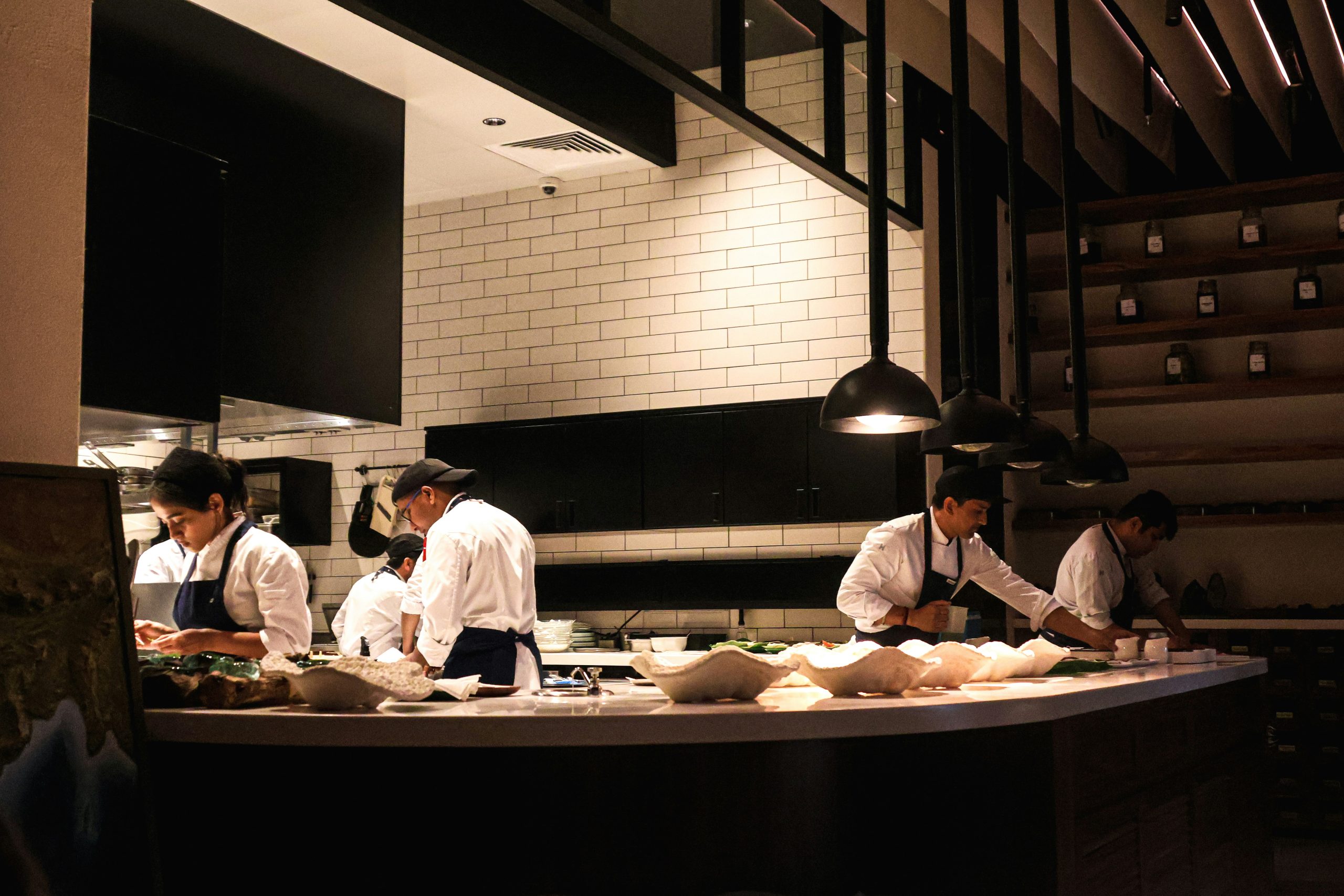
Canada’s halal food industry is often measured by the number of restaurants, products and grocery aisles carrying the word “halal.” But an industry is not built by labels alone. It is built by people: the wholesalers supplying independent restaurants, the scholars and inspectors protecting halal standards, the entrepreneurs taking Canadian brands across the country, and the organizers giving halal businesses a place to meet their customers.
The halal food sector in Canada has developed far beyond a small collection of specialty butcher shops. It now includes national restaurant chains, packaged foods, certification organizations, festivals, trade exhibitions, logistics companies and digital communities. Behind that growth are people who recognized a need and decided to build something around it.
This is not a ranking, and it is not intended to be a complete list. It is a starting point—a look at several people whose work represents different parts of Canada’s halal food ecosystem.
Many diners know the restaurant serving their meal, but fewer know the halal wholesalers and distributors working behind it. Yousef Bani-Ahmad represents this essential, less-visible side of the industry.
As the founder and CEO of Bani Halal Wholesale Group, Bani-Ahmad works in halal food supply and wholesale distribution. Businesses like his help connect meat and food producers with butchers, grocery stores, restaurants and other food-service operators. Their work affects product availability, consistency and the ability of smaller halal businesses to grow.
His story belongs in this conversation because Canada’s halal industry cannot expand through restaurants alone. Every new location requires dependable sourcing, storage, logistics and relationships throughout the supply chain. The people managing these systems rarely receive the same attention as public-facing restaurant founders, even though their work helps keep the entire sector moving.
Follow Yousef Bani-Ahmad on LinkedIn.
Growth creates opportunity, but it also creates questions. Who verifies a halal claim? What happens after a certificate is issued? How can consumers know whether requirements are being followed consistently?
Shaykh Omar Subedar has spent years working on those questions through the Halal Monitoring Authority Canada. According to HMA, Subedar and colleagues from the Canadian Council for Muslim Theologians began investigating Canadian halal-meat operations in 2004. Their findings contributed to the development of a system focused not only on certification, but also on continuing monitoring.
Today, Subedar serves as HMA’s chief operating officer and remains a public voice on halal standards, slaughter requirements and accountability. His role illustrates an important reality: consumer confidence depends on more than a halal sticker. It depends on clear standards, trained inspectors, supply-chain knowledge and organizations willing to verify what happens after approval.
For people working in the industry, halal certification and monitoring are not simply marketing features. It influences sourcing, production, staff procedures, recordkeeping and the relationship a business maintains with Muslim consumers.
Learn more about HMA’s history and work.
Before halal restaurant coverage became common across social media, Salima Jivraj was helping Canadian consumers discover and discuss halal dining through Halal Foodie. Her work later grew into Halal Food Fest Toronto, an event that brought restaurants, food producers, chefs and thousands of consumers together.
Jivraj’s contribution is different from that of a restaurant operator or certifier. She helped build visibility. By reviewing establishments, discussing the needs of halal consumers and creating a public festival around halal cuisine, she helped present halal food as part of Canada’s wider culinary culture.
That shift matters. A thriving food industry needs more than businesses producing food; it also needs trusted voices that explain the market, introduce consumers to new operators and help mainstream retailers understand halal shoppers. Jivraj has been described as one of the GTA’s notable halal-food experts, and her work has helped connect consumer education with celebration.
Read more about Salima Jivraj’s work in halal food.
Mohamad Fakih’s story is one of the most widely recognized entrepreneurial journeys in Canada’s halal restaurant sector. After immigrating from Lebanon, he purchased a struggling Mississauga restaurant in 2006 and developed Paramount Fine Foods into a prominent Middle Eastern halal brand.
The growth of Paramount helped demonstrate that a halal restaurant could pursue a large-scale franchise model while presenting Middle Eastern food to a broad Canadian audience. Fakih also became known beyond the restaurant industry for philanthropy, refugee support and public advocacy.
His journey has not been a simple story of uninterrupted expansion. Building a large restaurant organization means navigating changing consumer habits, franchise operations, labour, real estate, economic pressure and business disputes. That complexity is part of why his experience matters. Leadership is not only about opening locations; it is also about managing setbacks, protecting a brand and deciding what a business should represent publicly.
Fakih’s influence shows how halal food businesses can participate in Canada’s mainstream corporate and civic life without treating their halal identity as something that needs to be hidden.
Read Mohamad Fakih’s business profile.
Sam Osmow immigrated to Canada from Egypt and opened a small restaurant in Mississauga in 2001. What began as a local food business developed into Osmow’s, a Canadian shawarma chain with locations across the country.
The Osmow’s story reflects several important changes in Canadian dining. Shawarma moved from a meal found mainly in neighbourhood Middle Eastern restaurants to a widely recognized fast-casual category. At the same time, halal food became more visible to customers from many cultural and religious backgrounds.
Osmow’s is also a family-business story. The company identifies Sam as its founder and describes the brand as being led with his son Ben, the CEO, and his daughter Bernadette, the president. That transition introduces another important subject for Canada’s halal sector: how founder-led businesses build systems, develop new leadership and continue growing beyond their first generation.
Explore the Osmow’s family and company story.
Tahini’s represents a newer generation of Canadian halal restaurant growth. Founded by Omar Hamam and developed alongside co-founder Aly Hamam and their team, the company built recognition through a combination of Mediterranean food, franchising and unusually bold digital marketing.
Omar’s journey took him from Egypt to Canada and eventually into the restaurant business. As founder and CEO, his work centres on operations, guest experience and the long-term direction of the company. Aly, the company’s co-founder and chief marketing officer, has helped turn short-form videos, humour and cultural storytelling into major brand assets.
Their story is valuable because it demonstrates that modern food-industry leadership is not limited to recipes and storefronts. A restaurant brand now needs content, technology, a recognizable personality and the ability to communicate directly with an online audience. Tahini’s used those tools to make a Canadian halal brand visible far beyond the communities surrounding its original locations.
Ahmed Dessouki, co-founder and president of Alex Food Service, also represents the infrastructure required to support that growth. His work in sourcing, logistics and distribution reinforces a lesson seen throughout this article: expansion depends on the systems operating behind the brand.
Meet the Tahini’s leadership team.
Nasser Deeb approaches the halal industry from the perspective of exhibitions, business development and international trade. As the leader behind Halal Expo Canada, he has helped create a professional meeting place for manufacturers, exporters, retailers, certifiers, buyers and service providers.
Consumer festivals are important for introducing people to food, but a business-to-business exhibition serves another purpose. It gives companies opportunities to find distributors, understand certification, study market trends and develop partnerships. It also places Canadian halal businesses within a much larger international halal economy.
Halal Expo Canada describes Deeb as an industry-development leader with decades of experience in exhibitions and market expansion. His inclusion shows that Canada’s halal sector is not only a domestic restaurant story. Canadian food producers and service companies can also participate in global trade—provided they understand standards, market entry and the expectations of buyers in different countries.
Read Nasser Deeb’s Halal Expo Canada profile.
These leaders work in different areas, but their stories share several themes.
First, trust remains the foundation of the halal market. Whether a person works in certification, wholesale or restaurant operations, consumers expect halal claims to be accurate and traceable.
Second, the industry is becoming more professional and interconnected. A restaurant may depend on a certified supplier, a specialized distributor, a marketing team, a franchise system and an event platform before a meal ever reaches the customer.
Third, halal food in Canada is no longer speaking to only one cultural community. The market includes Muslims from many backgrounds as well as non-Muslim consumers who enjoy the food. Successful leaders understand how to respect religious requirements while building brands that can communicate with the wider public.
Finally, the industry’s future will not be shaped only by its largest companies. Independent butchers, restaurant owners, chefs, food scientists, inspectors, farmers, delivery companies and community educators all contribute to its development.
The people featured here represent only part of Canada’s halal food story. Many important figures work outside the spotlight, particularly in farming, slaughter, manufacturing, food science, logistics and independent retail.
The Halal Food intends to continue documenting these stories. Future additions may include established leaders as well as emerging professionals introducing new products, improving transparency or opening opportunities for the next generation.
If you know someone whose work has made a meaningful and verifiable contribution to Canada’s halal food industry, we welcome the recommendation. Leadership is not measured only by the number of locations or followers a person has. It can also be found in the trust they build, the standards they improve and the doors they open for others.
Featured image: Meg von Haartman via Unsplash.