What Spices Are Most Common in Halal Cooking?
Spices are the heartbeat of Halal cuisine. They do more than just add color; they tell the…

Latest Updates


October 1, 2026

Guides & Resources
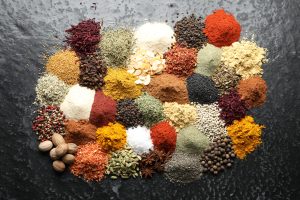
Spices are the heartbeat of Halal cuisine. They do more than just add color; they tell the…

Ridgeway Plaza is one of Mississauga’s best-known food and community destinations. Located in west Mississauga, it includes…

The Blueprint for Success: Launching Your Halal Food Business in Canada The Halal food sector in Canada…
Have you ever wondered why Pakistani cuisine is winning hearts across Canada? It’s not just the rich…
A Middle Eastern Legend bringing authentic flavors to your table
Saskatchewan’s 2025–2027 school food plan recognizes demand for halal meals and proposes tracking schools that accommodate diverse dietary needs.
Published August 14, 2026 • Updated October 5, 2026
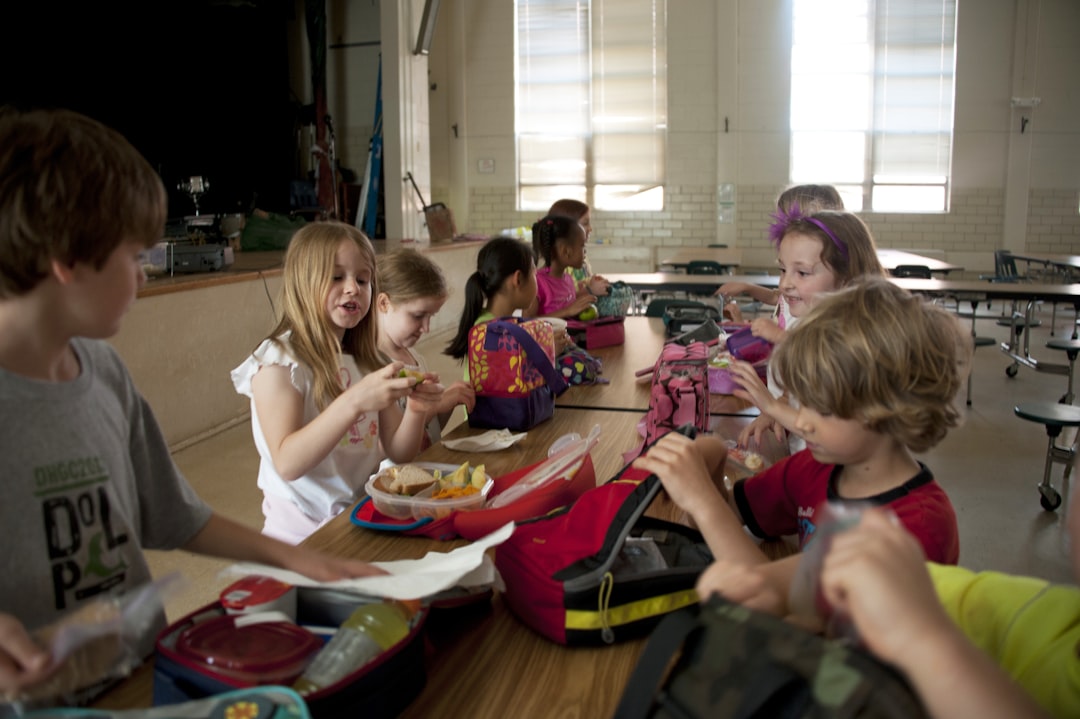
Saskatchewan’s 2025–2027 school food action plan has formally recognized the need for halal meal options in schools, describing culturally sensitive food as an important part of making school nutrition programs more inclusive.
The provincial plan, published through the Government of Canada, says school divisions and community organizations have identified a need to adapt menus to accommodate halal and vegetarian diets. It also acknowledges that providing these options can be more expensive than standard menu choices.
The document places halal meals within a broader effort to ensure school food programs reflect the identities and dietary needs of the students they serve. Saskatchewan says schools and local communities will be supported in providing food that is both nutritious and culturally relevant.
For Muslim families, the recognition is significant because it moves halal food beyond an informal request made school by school. The need is now written into an official provincial action plan connected to the National School Food Program.
Saskatchewan intends to consult experts on diverse dietary needs, help school divisions build knowledge about inclusive food programming and encourage funded programs to accommodate the dietary needs of their existing student populations.
Beginning with the 2025–2026 school year, Saskatchewan plans to establish baseline information about school food programs. For 2026–2027, the province is considering a new measure that would count how many schools offer programs accommodating dietary needs such as halal, kosher, vegetarian, allergy-safe, gluten-free and lactose-free food.
The action plan’s reporting table confirms that this information was not previously collected. Establishing a baseline could give families and policymakers a clearer picture of where halal food is available and where access remains limited.
The wording is encouraging, but it should not be read as a province-wide guarantee. The plan does not say that every Saskatchewan school must provide halal meals, and it does not establish a numerical target for halal-serving schools.
It also does not define what schools must accept as halal verification. There are no stated requirements concerning certification bodies, meat suppliers, slaughter methods, kitchen separation or procedures for avoiding cross-contact with non-halal ingredients.
Those details will matter during implementation. A meal described as culturally appropriate may not automatically satisfy every family’s halal requirements. Clear sourcing information and transparent communication will be important if schools want Muslim parents and students to trust the options being offered.
When halal meals are unavailable, Muslim students may have to bring food from home, select vegetarian alternatives or avoid parts of a school meal. Recognizing halal food as an inclusion issue is therefore an important step, especially as Saskatchewan expands access to publicly supported school meals.
The next question is how consistently that recognition will translate into meals students can confidently eat. The Halal Food will watch for future reporting on the number of participating schools, the standards used to identify halal food and how families are consulted as programs expand.
Source: Government of Canada — National School Food Program: 2025 to 2027 Action Plan, Saskatchewan
Featured photo: CDC via Unsplash.