Halal Certification Cost in Ca
Halal certification in Canada does not have one fixed price. Published examples range from $799 CAD for…

Latest Updates
September 18, 2026

September 15, 2026

September 15, 2026
September 11, 2026
Guides & Resources
Halal certification in Canada does not have one fixed price. Published examples range from $799 CAD for…

For many Muslims, the phrase “halal mortgage” sounds contradictory. A conventional mortgage is a loan secured against…
Halal meat has become a staple for Muslim communities in Canada, offering assurance that the food they…

For many Muslim consumers, navigating the snack aisle or the pharmacy can feel like a mission in…
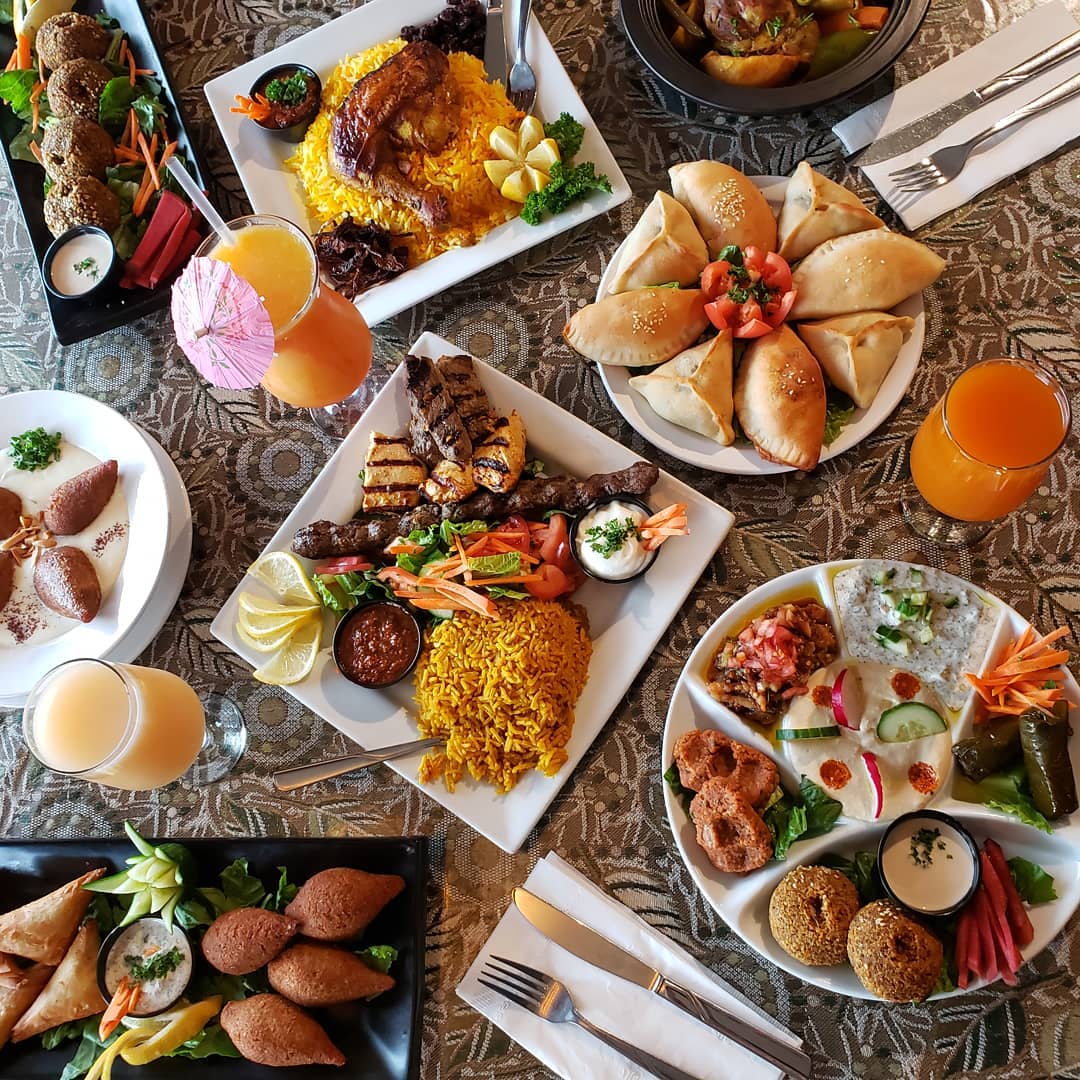
A Middle Eastern Legend bringing authentic flavors to your table
Halal meat is not reserved for Muslims, and it is not a flavour or cuisine. Learn what halal really means, how certification works in Canada, and why slaughter and stunning standards can differ.
Published September 19, 2026 • Updated September 19, 2026

You are ordering lunch with friends when someone notices the word halal beside a chicken dish and says, “Unfortunately, I don’t eat halal.”
The comment is usually not meant to offend. More often, it comes from a simple misunderstanding: some people assume halal is a special flavour, a particular cuisine, or food intended exclusively for Muslims.
It is none of those things.
Yes, non-Muslims can eat halal meat. Halal meat is ordinary beef, chicken, lamb or another permitted meat prepared according to Islamic dietary requirements. Eating it does not require someone to be Muslim, does not change their beliefs and does not make the meal taste religious.
What the halal label tells you is something about the ingredients and process behind the food—not who is allowed to enjoy it.
The short answer: Halal food is prepared to meet Muslim dietary requirements, but it can be eaten by anyone. A non-Muslim does not need special permission to buy, cook or eat it.
Halal is an Arabic word meaning permitted or lawful. Its opposite is haram, meaning prohibited.
In food, halal is broader than the way an animal is slaughtered. It can include:
International halal guidance published through the Codex Alimentarius also treats halal as a combination of permitted ingredients, preparation, processing, storage and protection from prohibited materials—not simply a label placed on meat.
This is why saying “halal just means hand-slaughtered” is incomplete. Slaughter is an important part of halal meat, but halal compliance can continue throughout the supply chain.

No. Halal standards exist so Muslims can identify food that meets their religious requirements, but the finished food is not restricted to Muslims.
A useful comparison is vegetarian food. A restaurant may prepare a dish for vegetarian customers, but a person who eats meat is still free to order it. Gluten-free products are designed around a dietary need, yet people without that restriction can eat them too.
Halal works similarly in this respect: it identifies what is in the food and how it was prepared. It does not identify who may eat it.
Non-Muslims already eat halal food at restaurants, community events, schools, workplaces and family gatherings across Canada—sometimes without thinking twice about it. For mixed groups, choosing halal meat can make one meal accessible to more people without changing the recipe.
There is no single “halal taste.” Halal is not a spice blend, seasoning or cooking style.
A halal burger can taste like any other burger. Halal fried chicken can be mild, spicy, Korean-style, Nashville-style or prepared with no seasoning at all. Syrian shawarma, Canadian steak, Caribbean jerk chicken and Chinese stir-fry can all be halal if their ingredients and preparation meet halal requirements.
The flavour of meat is influenced far more by factors such as:
Some shoppers may notice a difference between two products, but that does not establish a universal “halal taste.” It may reflect the butcher, farm, cut, freshness or cooking method instead.
| Common assumption | What is more accurate |
|---|---|
| Halal is a Middle Eastern cuisine | Halal is a dietary standard that can apply to food from any culture |
| Only Muslims can eat halal meat | Anyone can eat halal meat |
| All halal meat is hand-slaughtered | Standards differ; some halal programs permit mechanical slaughter in certain circumstances |
| All halal meat is unstunned | Some certifiers accept certain forms of reversible stunning; others do not |
| Halal meat is automatically organic or free-range | Organic, free-range, grass-fed and halal are separate claims |
| A halal logo guarantees every certifier follows identical rules | Certification standards and monitoring practices can differ |
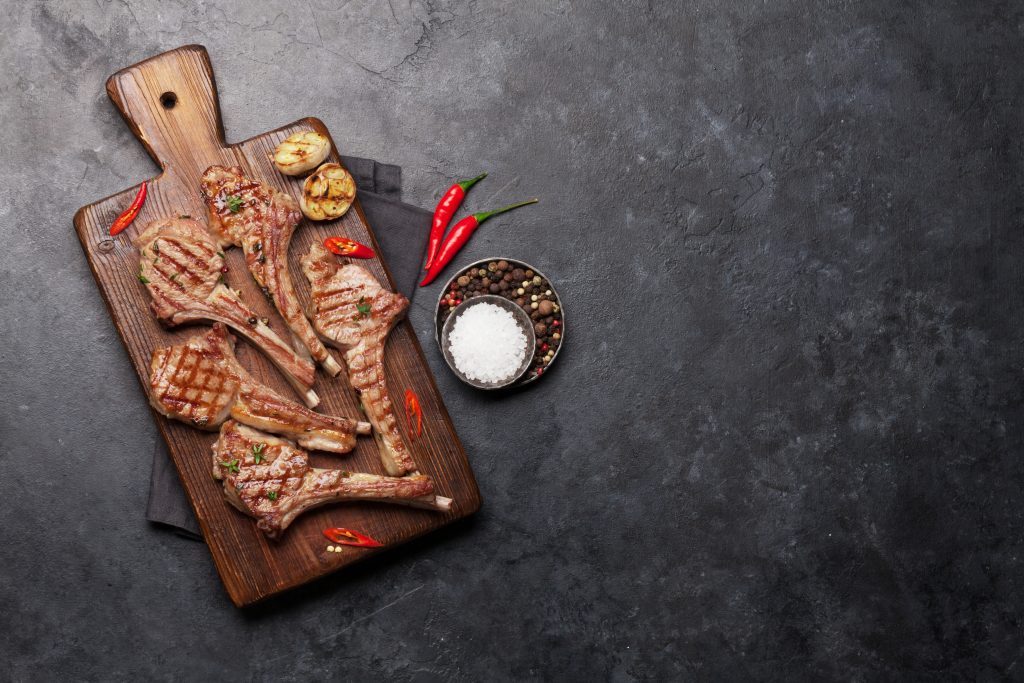
At a basic level, halal meat must come from an animal Muslims are permitted to eat and must be prepared according to Islamic requirements. Pork and its derivatives are prohibited, while commonly consumed animals such as cattle, sheep and chickens may be halal when the relevant conditions are met.
Halal slaughter generally involves invoking the name of God, making the required neck cut with a sharp instrument and allowing the blood to drain. The animal must be alive at the moment of slaughter. The process should avoid unnecessary suffering and the meat must remain protected from prohibited substances afterward.
The exact operational rules are not identical across every scholar, community or certification body. Differences can include whether mechanical poultry slaughter is accepted, what forms of stunning are permitted, how the invocation is performed and what level of on-site monitoring is required.
Readers who want a deeper comparison can see THF’s guide to hand-slaughtered versus machine-slaughtered halal meat.
No. “Halal,” “hand-slaughtered” and “unstunned” are related terms, but they are not interchangeable.
Some Muslim consumers and certifiers require an individual slaughterer to perform each cut by hand. Other certifiers accept mechanical poultry slaughter when their religious and monitoring requirements are met.
Even the phrase “hand-slaughtered” does not tell you everything that happened beforehand. An animal may be stunned before a manual cut, depending on the facility and the certifier’s standard.
That is why a clear answer should identify more than one detail:
Stunning is one of the most debated subjects in halal meat production.
Some halal authorities accept specific forms of reversible stunning, where the animal is expected to remain alive and could recover if slaughter did not follow. Other authorities avoid pre-slaughter stunning or restrict particular methods because of concerns that the animal could die before the halal cut.
Controlled-atmosphere stunning, electrical water-bath stunning and other systems should not be treated as one identical process. Their use and acceptability depend on the method, operating controls and the halal standard being followed. A peer-reviewed review of halal slaughter and stunning likewise notes that scholarly and industry positions are not uniform.
In Canada, federal rules generally require food animals to be rendered unconscious before bleeding, while Section 144 of the Safe Food for Canadians Regulations provides a specific route for ritual slaughter performed to comply with Islamic or Judaic law. Humane-handling requirements still apply. This means “halal” does not place meat outside Canadian animal-welfare rules.
The fairest answer is not “all stunning is halal” or “all stunned meat is haram.” It is: ask which method was used and which halal standard approved it.
It is too broad to declare that every halal operation is more humane—or less humane—based only on the label.
Animal welfare depends on what actually happens: transport, handling, restraint, equipment, staff training, the accuracy of the cut or stun, monitoring and how quickly corrective action is taken when something goes wrong.
Islamic slaughter principles emphasize care for the animal and avoiding unnecessary suffering. Canadian regulations also impose humane-treatment requirements on licensed slaughter operations. But a religious claim or certification logo should not replace evidence about a facility’s real practices.
Consumers concerned about animal welfare can ask both halal and non-halal suppliers about sourcing, handling and third-party oversight rather than assuming one word answers every question.
Halal certification and food-safety inspection answer different questions.
Halal verification addresses religious compliance. Food-safety rules address matters such as sanitation, contamination, temperature control and safe processing. Food sold in Canada must comply with applicable Canadian safety requirements whether it is halal or not.
Halal also does not automatically mean:
A product may carry several of these claims, but each should be verified separately. A halal chicken can also be free-range, for example, but being halal does not by itself prove that it is free-range.
Canada does not impose one religious definition that every halal certifier must follow. This matters because Muslim communities and certifying organizations do not all agree on issues such as mechanical slaughter and stunning.
The Canadian Food Inspection Agency requires a halal claim on a food label, package or advertisement to be accompanied by the full name of the person or organization that certified it. Like other food claims, it must also be truthful and not misleading.
This disclosure helps consumers investigate the standard behind the claim. It does not mean the federal government has selected one certifier’s religious interpretation over another.
For more detail, read What Is Halal Certification? Meaning & How It Works and THF’s overview of the most popular halal certification authorities in Canada.
A restaurant may be fully certified and monitored by a halal authority. Another may buy meat from a certified supplier without having its entire restaurant certified. A third may describe itself as halal based on an owner’s declaration.
An uncertified business is not automatically non-halal, but consumers should understand what is—and is not—being verified. A halal sticker in the window does not necessarily prove that every ingredient, process and location is under continuing third-party monitoring.
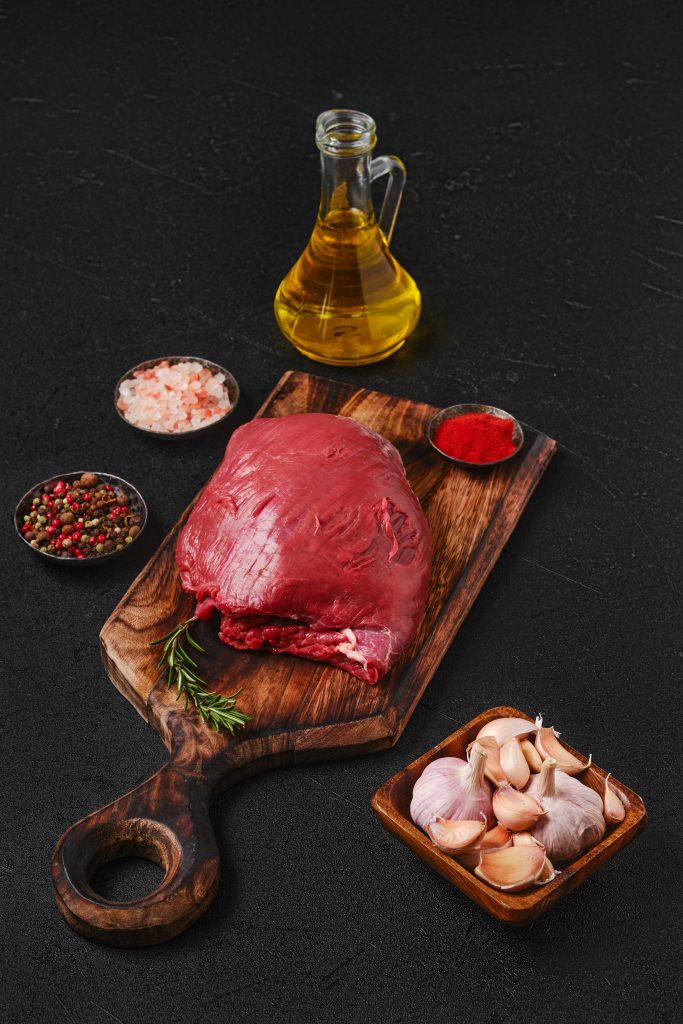
People choose halal meat for many reasons. Some are shopping for Muslim relatives, friends, employees or guests. Others like a particular butcher, farm, restaurant, price or cut of meat. Some value the additional information supplied by a clearly identified certification program.
The important point is not that halal meat is automatically superior. It is that halal is a meaningful requirement for Muslim consumers and a compatible choice for many other people.
Serving halal meat can also simplify a shared meal. Instead of preparing separate meat for Muslim and non-Muslim guests, one halal option may allow everyone to eat the same dish—subject, of course, to allergies and other dietary needs.

If the details matter to you, ask specific questions rather than stopping at “Is it halal?”
Not every shopper follows the same standard, so transparency is more useful than a vague assurance.
Non-Muslim Canadians may already be more familiar with the word kosher. Both halal and kosher are religious dietary systems that regulate permitted foods and aspects of preparation, but they are not identical or automatically interchangeable.
Learning the comparison can make halal easier to understand without reducing either tradition to a marketing label. THF explains the overlap and differences in Can Muslims Eat Kosher? Is Kosher Meat Halal?.
Yes. Halal meat can be purchased, prepared and eaten by Muslims and non-Muslims. Normal food-safety practices and any personal dietary restrictions still apply.
No. Eating food prepared according to another community’s dietary rules does not convert someone, change their beliefs or require participation in a religious practice.
During halal slaughter, the name of God is invoked. Describing this simply as meat being “prayed over” can be misleading, because it is not a ceremony performed on the finished meal and it does not impose a belief on the person eating it.
Not inherently. Taste depends primarily on the animal, cut, fat, freshness, storage, seasoning and cooking method. Halal requirements do not create one universal flavour.
No. Some certification standards permit mechanical poultry slaughter under specified conditions, while other certifiers require hand slaughter. Check the supplier and certifier when this distinction matters to you.
No. Some halal standards accept certain reversible stunning methods, while others do not. “Halal,” “hand-slaughtered” and “unstunned” should not be used as synonyms.
The halal label alone cannot describe every aspect of animal welfare. Humane outcomes depend on the entire operation, including transport, handling, restraint, slaughter or stunning accuracy, staff competence and oversight.
Non-Muslims can eat halal meat. It is not a flavour, an ethnicity or a food reserved for one community. It is meat—and more broadly, food—prepared according to Islamic dietary requirements.
Understanding that does not require anyone to adopt a religious belief. It simply helps people make informed choices and share food with fewer misunderstandings.
The next time someone says, “I don’t eat halal,” a helpful response may be a question: Is there a particular ingredient or process you are concerned about?
That opens the door to a real conversation about slaughter, stunning, certification, animal welfare, sourcing and personal values. And that is far more useful than treating one unfamiliar word as something to fear.
Explore halal restaurants, butchers, bakeries and other food businesses across Canada in the THF halal directory.