Can a Mortgage Be Halal? How H
For many Muslims, the phrase “halal mortgage” sounds contradictory. A conventional mortgage is a loan secured against…

Latest Updates


September 18, 2026

September 15, 2026
Guides & Resources

For many Muslims, the phrase “halal mortgage” sounds contradictory. A conventional mortgage is a loan secured against…
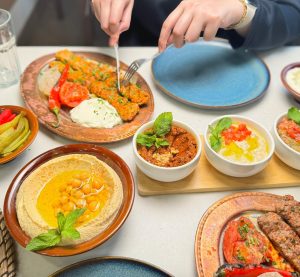
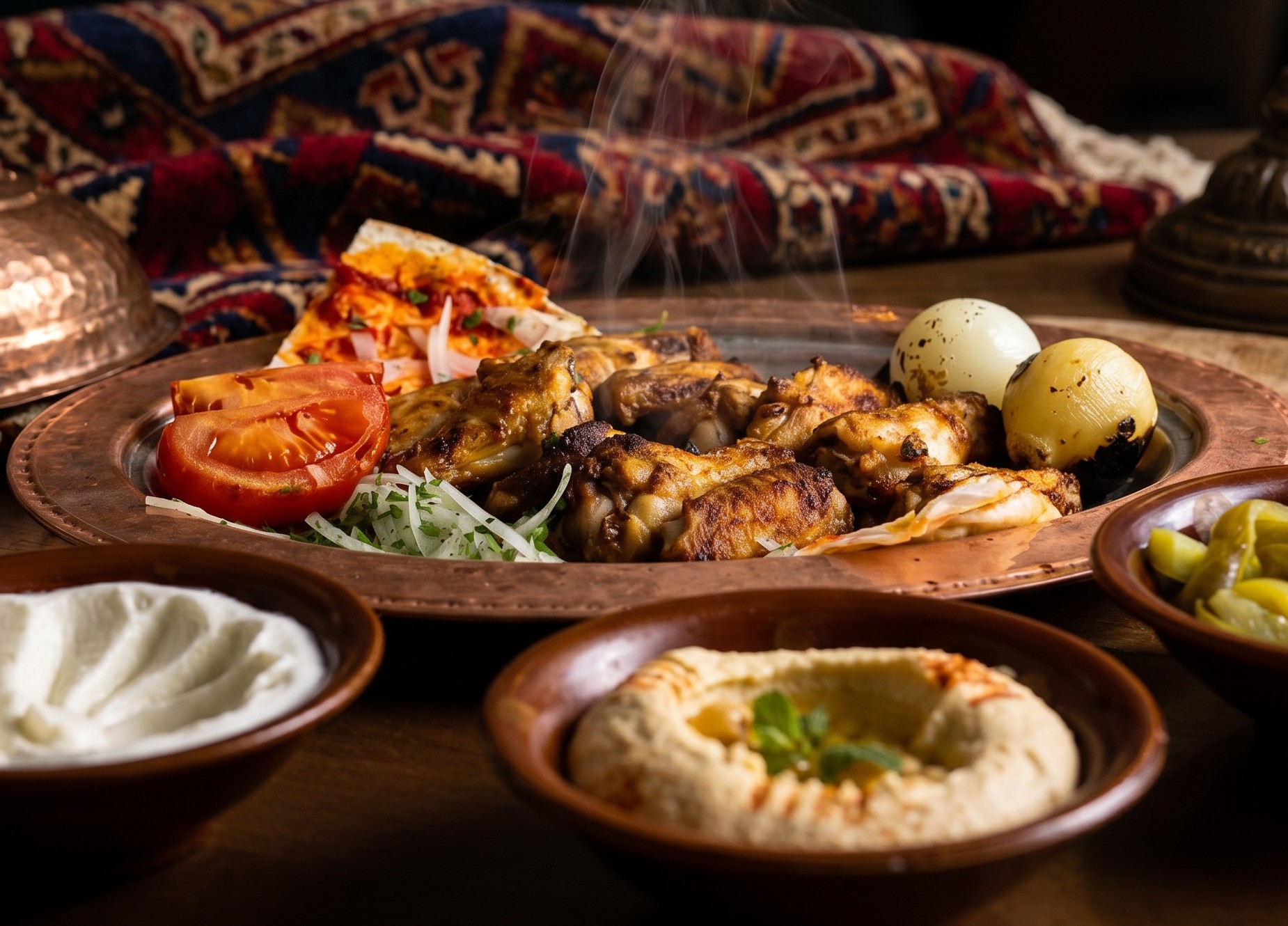
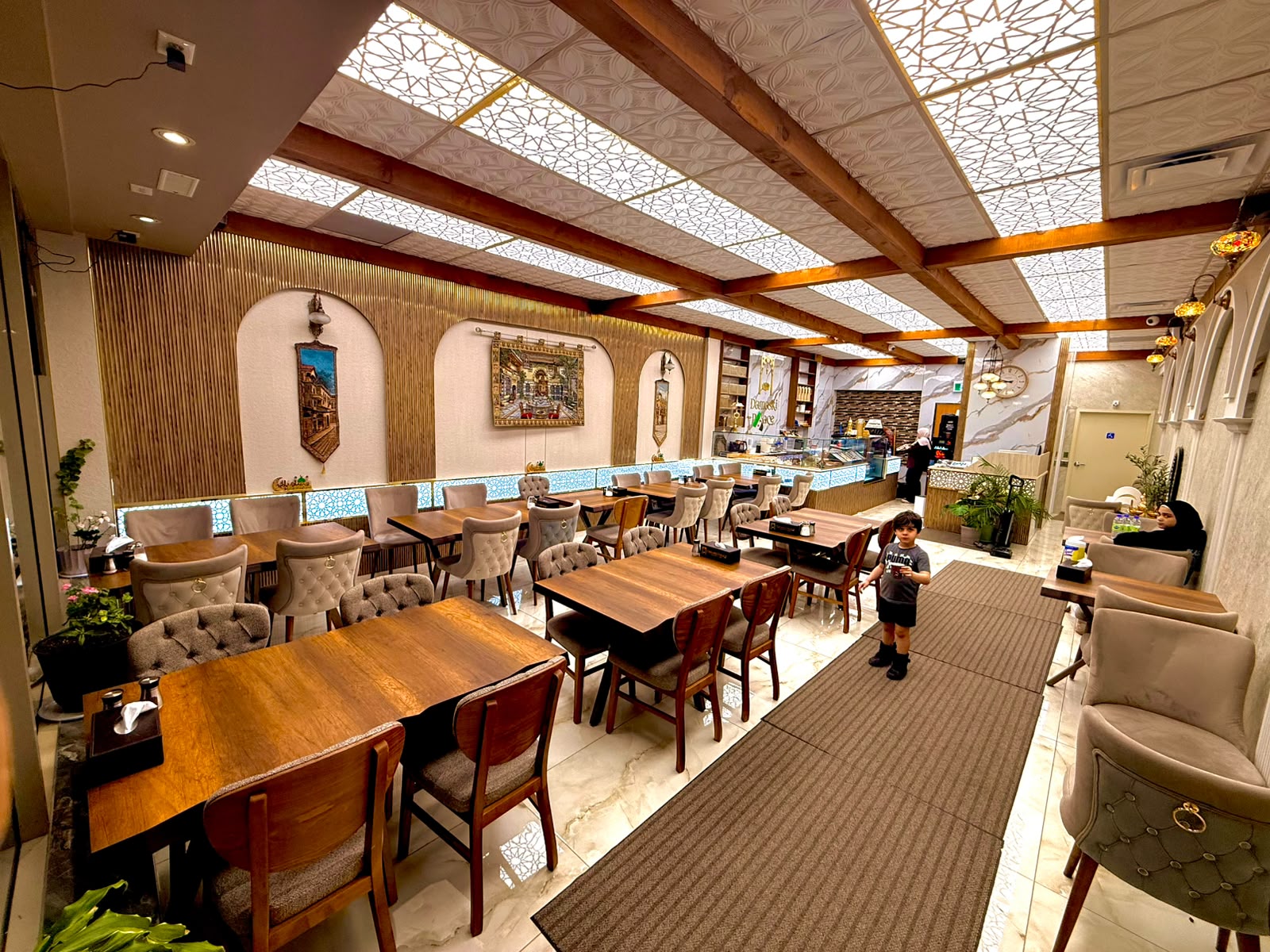
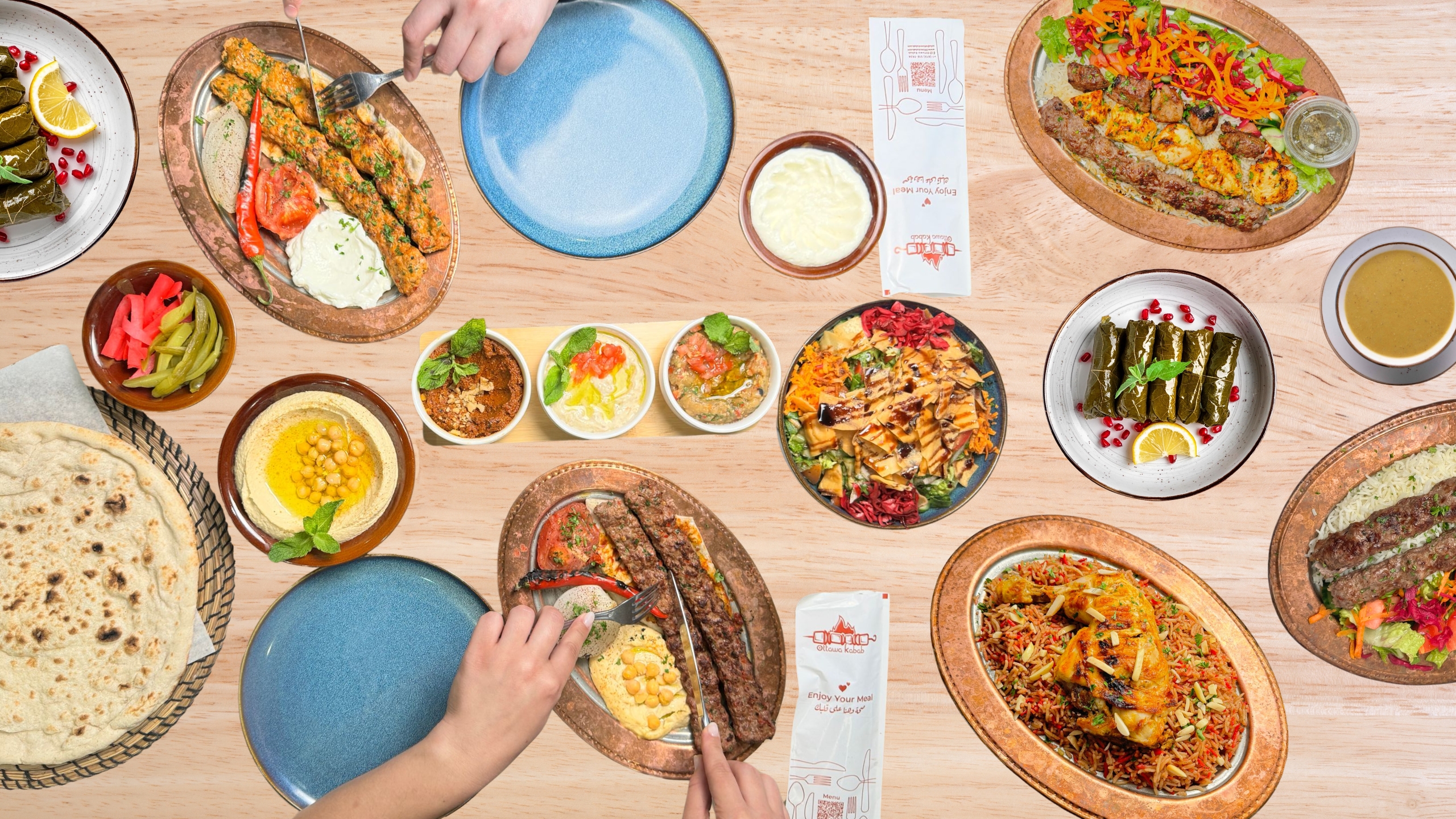
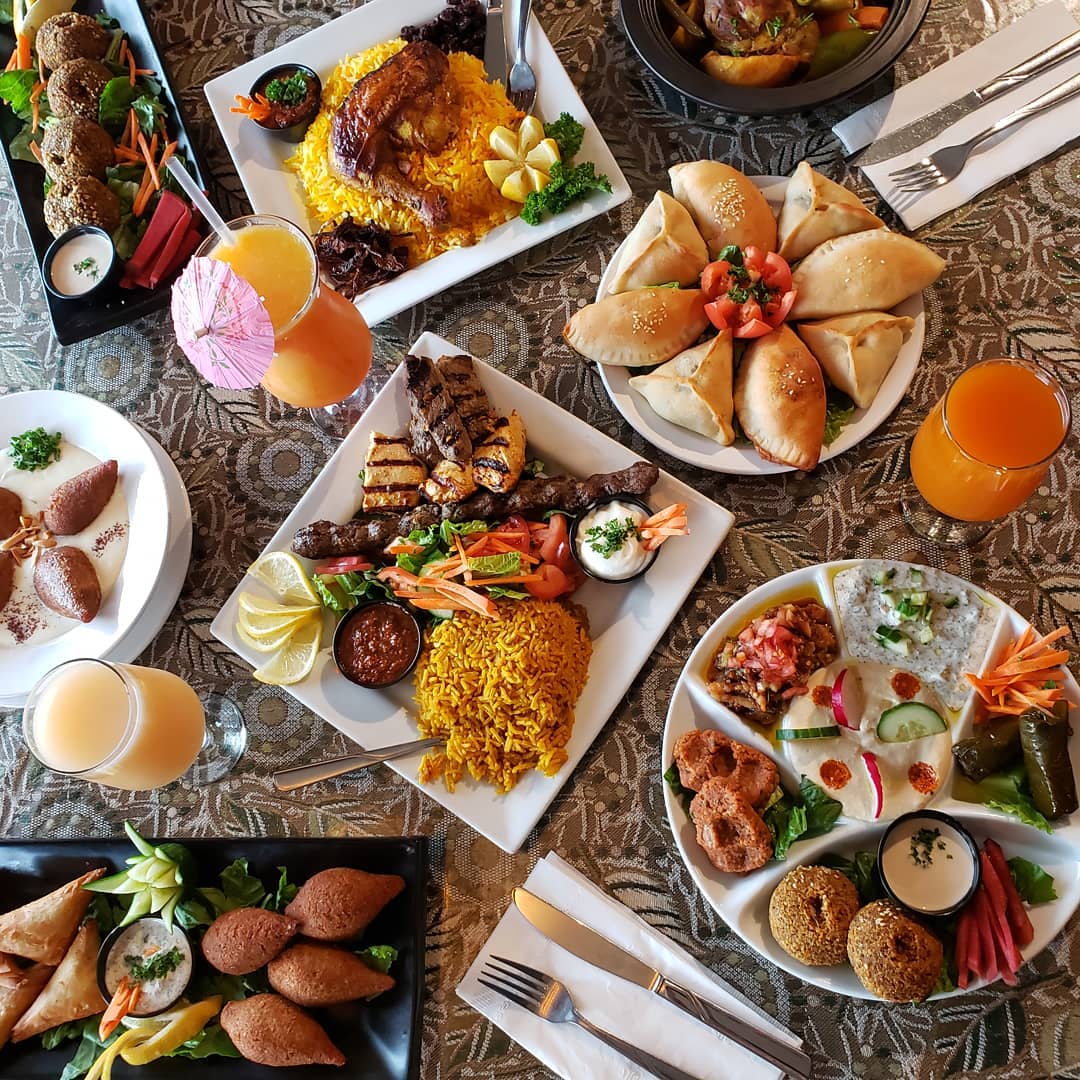
Walking through Ottawa Kabab's doors, I immediately noticed an inviting atmosphere built around authentic hospitality and fresh…
Halal certification in Canada does not have one fixed price. Published examples range from $799 CAD for…
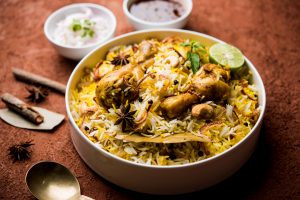
Rice is one of the most common ingredients on Muslim tables; it's not just food, but a…
A Middle Eastern Legend bringing authentic flavors to your table
Learn why Muslims say Bismillah before eating, how Islamic food etiquette encourages gratitude and mindful eating, and what common dining traditions mean.
Published February 7, 2026 • Updated September 10, 2026
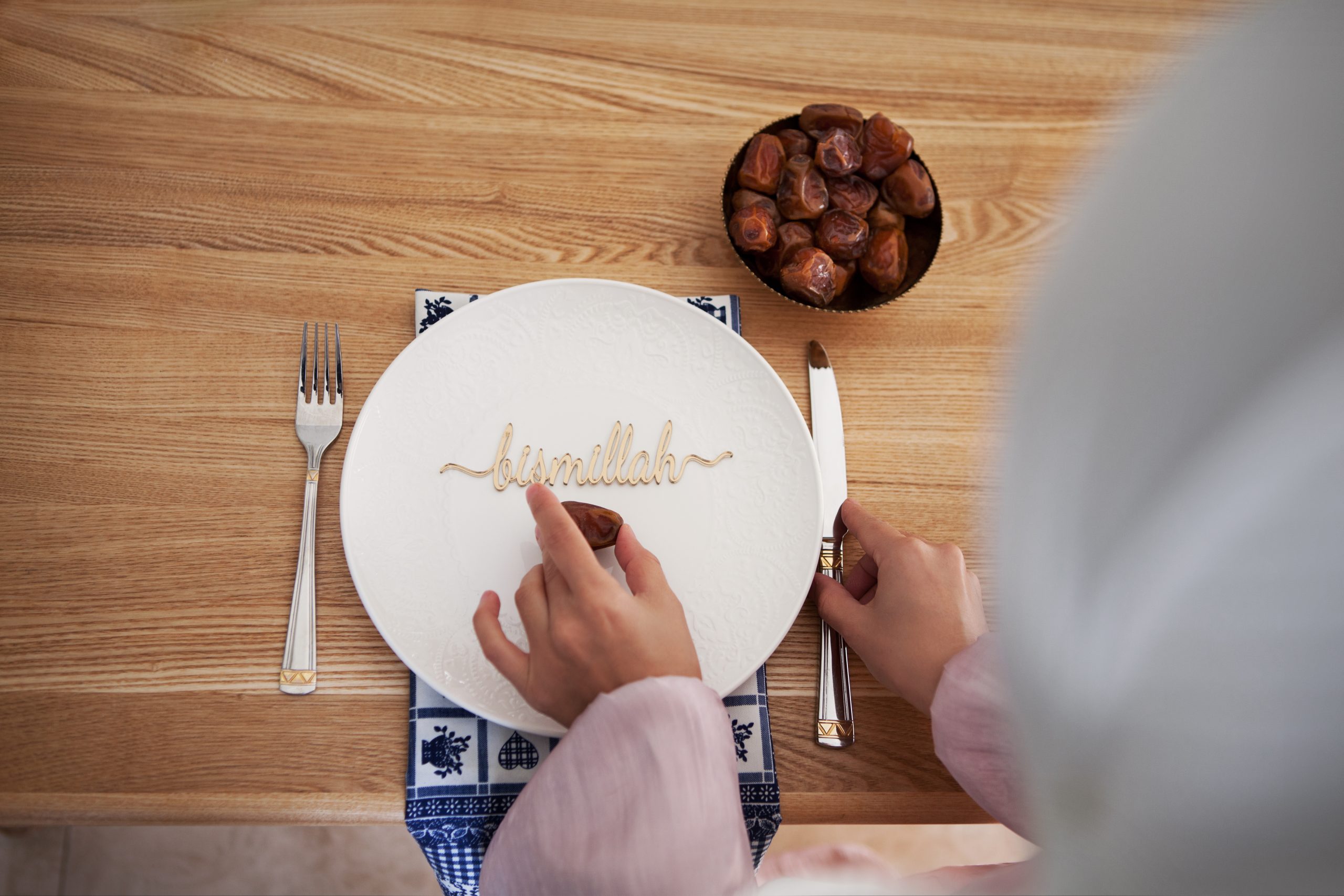
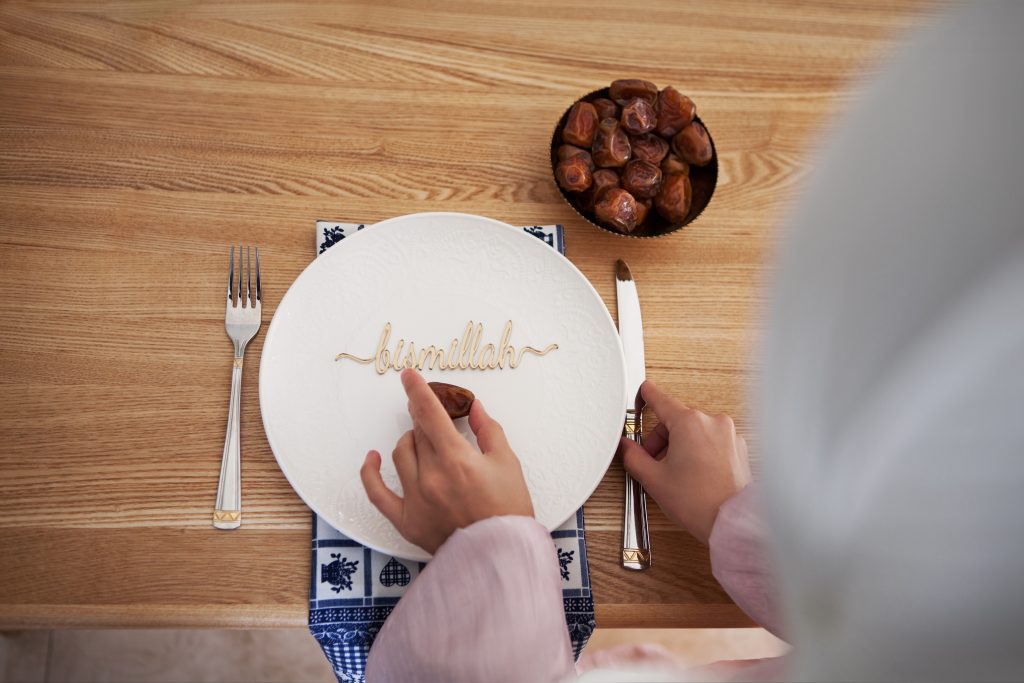
Saying "Bismillah" before eating is considered one of the most important etiquettes of dining in Islam. It is a reminder that blessings come from God and that one begins every action by seeking His help. This simple act fosters gratitude and brings peace to the heart, transforming eating from a mere physical need into a daily act of worship.
Among the most prominent Islamic etiquettes of eating are: eating with the right hand, avoiding waste, and expressing gratitude after finishing. These behaviors demonstrate respect for blessings and teach discipline in daily life. Even in Western societies like Canada, Muslims are keen to uphold these values in schools and restaurants, reflecting their religious identity in a practical way.
| Islamic Literature | Spiritual Meaning | Daily Practice | Social Impact |
|---|---|---|---|
| Saying "Bismillah" (In the name of God) | Recognizing God's Blessings | Before each meal | Promoting Gratitude |
| Eating with the Right Hand | Following the Sunnah | At Home and School | Discipline and Identity |
| Gratitude After Meals | Acknowledging Blessings | Saying "Alhamdulillah" (Praise be to God) | Spreading Positivity |
| Respect for Blessings | Avoiding Extravagance | Preserving Food | Environmental and Social Awareness |
Muslim families teach their children to say "Bismillah" (In the name of God) as part of building a simple religious identity, instilling in them values of respect and gratitude. This education extends to community activities such as family iftars at the Ramadan Tent Project or educational sessions at local mosques, where children and young people learn that food is a means of spiritual and social connection.
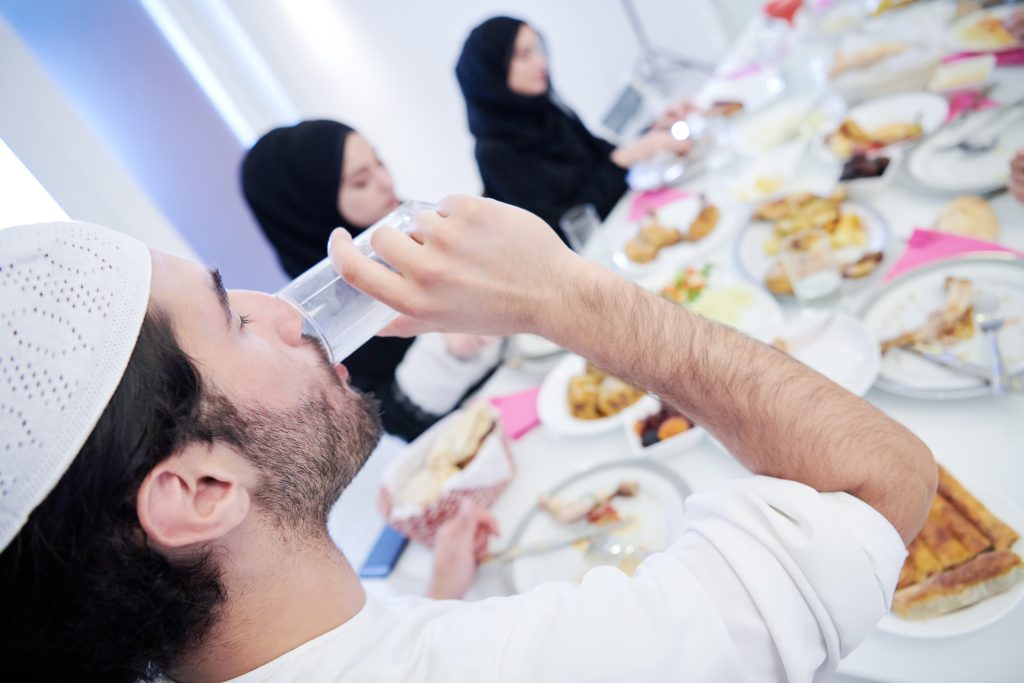
Etiquette of eating is used as a practical educational tool. Children in Islamic schools and community centers learn that saying "Bismillah" (In the name of God) before eating is not just a habit, but a training in gratitude and discipline. This education instills values of respect and transforms the dining table into a daily learning space.
Moderation in food and regular eating have a direct impact on physical and mental health. Islam encourages avoiding extravagance, which aligns with modern medical recommendations on balanced nutrition. Thus, adhering to etiquette of eating becomes a means of maintaining the health of the individual and society.
Practicing Islamic etiquette of eating in Western societies presents a positive image of Muslims, demonstrating their commitment to order and respect even in the details of their daily lives. This cultural identity fosters intercultural understanding and highlights shared human values.
Whether you're dining at a halal restaurant in Toronto or preparing a meal at home in Canada, following these traditions brings blessings to your table. Food is more than just sustenance; it's a daily opportunity to renew your covenant with God and cultivate gratitude in the simple details of life. When we begin by saying "Bismillah" (In the name of God) and end with "Alhamdulillah" (Praise be to God), we're not performing a mere ritual, but rather transforming the table into a space of peace and blessing. Eating thus becomes an act that connects the soul and the body, the individual and the community, and grace and gratitude, reminding us that blessings begin with a sincere word spoken before the first bite and culminate in profound gratitude after the last.