What Are the Most Spices Used
Spices are the heartbeat of Halal cuisine. They do more than just add color; they tell the…

Latest Updates


March 18, 2026

February 3, 2026

Interesting Article
Spices are the heartbeat of Halal cuisine. They do more than just add color; they tell the…

In the heart of Mississauga, Ontario, just outside Toronto, lies a bustling plaza that offers more than…

Muslims in Canada often wonder whether kosher food can be considered halal. While both traditions share similarities…
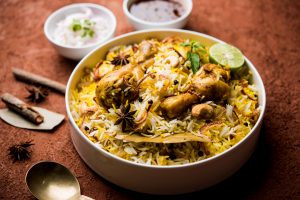
Rice is one of the most common ingredients on Muslim tables; it's not just food, but a…
Middle Eastern Restaurants
Turkish Restaurants
Afghan Restaurants
Pakistani Restaurants
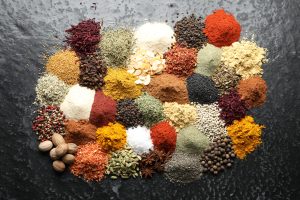
Spices are the heartbeat of Halal cuisine. They do more than just add color; they tell the story of ancient trade routes, diverse cultures, and a deep-rooted respect for “Tayyib” (pure and wholesome) ingredients. From the fiery kitchens of Lahore to the aromatic souks of Amman and Istanbul, let’s explore the essential spices that define Halal food.
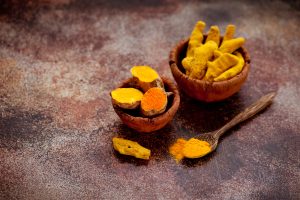
Turmeric gives dishes a distinctive golden color and is known for its anti-inflammatory properties. It is widely used in Pakistani curries and Arabic stews.
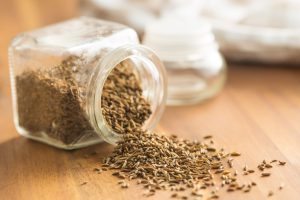
The heart of Middle Eastern cuisine. Its deep, earthy flavor is essential in falafel, lentil soup, and many other Arabic dishes.
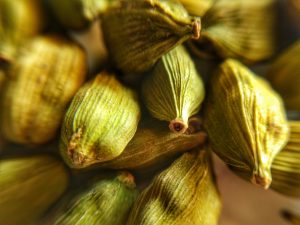
The queen of spices. It is indispensable in Turkish coffee and gives Indian biryani rice its luxurious and distinctive aroma.
A warming duo. They form the aromatic base of mandi and kabsa dishes, adding depth and rich flavor.
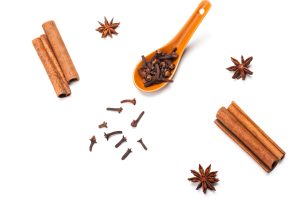
While the ingredients may be similar, the “blend” varies significantly based on regional heritage:
For many Muslims living in Canada, recreating the “taste of home” starts with finding high‑quality, authentic spices. Thankfully, Canadian markets have grown to meet this cultural and culinary need. Stores like Iqbal Halal Foods, Pure Bhara, and Apna Farm have become essential destinations for home cooks seeking freshly ground spices and trusted imported brands. These shops ensure that the Halal community has access to potent, aromatic ingredients—an important part of maintaining both flavor authenticity and the high standards associated with a Halal lifestyle.
Halal spices aren’t just flavor enhancers; they are natural ingredients with profound health benefits that Islamic cultures have relied upon for centuries. Turmeric, for example, is one of the most powerful natural anti-inflammatories thanks to curcumin, making it beneficial for joints and the immune system. Cumin helps improve digestion, reduces bloating, and plays a vital role in balancing blood sugar levels. Cardamom, known for its rich aroma, possesses antioxidant properties and helps stimulate blood circulation and detoxify the body. Cinnamon and cloves, staples in dishes like mandi and kabsa, contribute to improved heart health and cholesterol regulation. These benefits make halal spices an integral part of a healthy lifestyle, combining authentic flavor with medicinal properties in every dish.
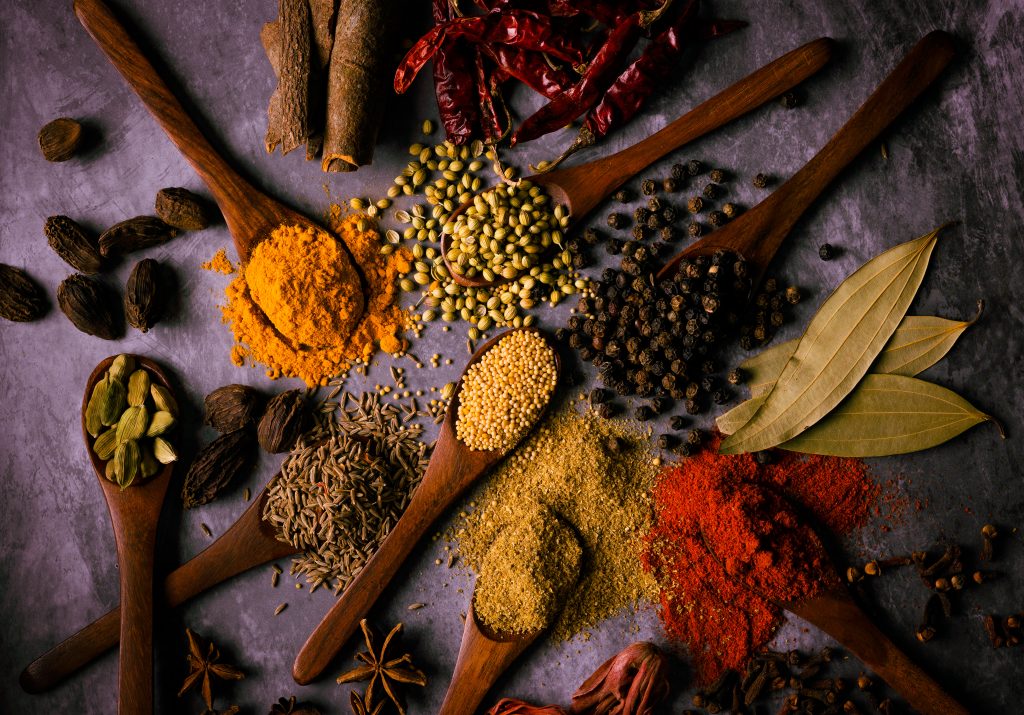
Halal spices play a significant role not only in kitchens but also in local and global markets. The growing demand from Muslim communities in countries like Canada has created a steady market for authentic spice blends, encouraging imports from South Asia, the Middle East, and North Africa. This trade supports small businesses, ethnic grocery stores, and specialty food suppliers who cater to multicultural audiences. Moreover, the popularity of Halal-certified products boosts consumer confidence, leading to higher sales and stronger brand loyalty. For many immigrant families, spice shops are more than retail spaces—they are cultural hubs that preserve culinary traditions while generating economic activity. In this way, Halal spices contribute to both cultural identity and economic growth, bridging global supply chains with local communities.
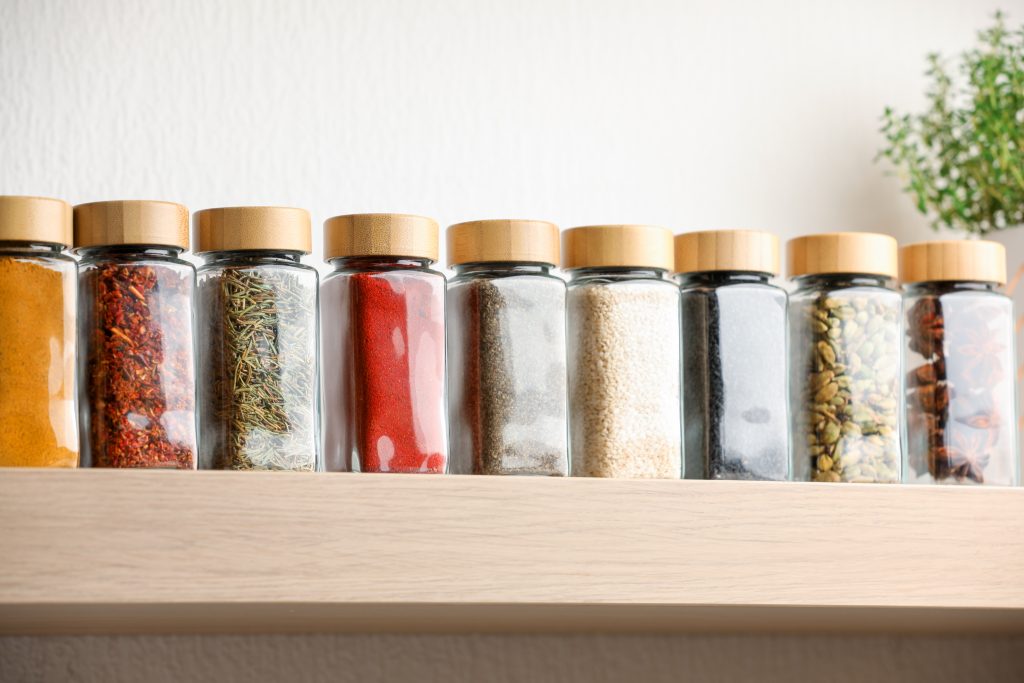
Even the most expensive and finest spices lose their potency if stored improperly. Therefore, professional chefs rely on a set of established rules to ensure their aromas and essential oils remain at their peak. The first step is to protect spices from direct sunlight, as rays break down the volatile oils that give spices their flavor. This is why opaque containers or closed drawers are preferable to open shelves. The second step is to avoid humidity altogether. Humidity causes spices to clump and lose their aroma quickly, and it can also lead to mold growth in ground spices. Therefore, it’s advisable not to open a container over a boiling pot or steaming. Heat is the third enemy of spices. Many people store spices near the stove or oven for easy access, but constant heat accelerates flavor loss. It’s best to store them in a cool, dry place, such as a cupboard away from heat sources. It’s also preferable to buy whole spices (like cardamom, cloves, and black pepper) and grind them as needed, as whole spices retain their flavor much longer than ground ones. If you must buy ground spices, choose small packages that will keep for 3–6 months to ensure maximum freshness. Finally, don’t forget that the quality of the packaging itself plays a significant role. Use airtight glass jars instead of open bags, as glass doesn’t absorb odors and preserves the essential oils.

Halal meat has become a staple for Muslim communities in Canada, offering assurance that the food they consume complies with Islamic dietary laws. Yet, many consumers notice that Halal-certified products are often priced higher than conventional meat found in mainstream supermarkets. Understanding the reasons behind this price difference helps consumers appreciate the added value of […]
Rice is one of the most common ingredients on Muslim tables; it’s not just food, but a symbol of generosity and an integral part of Arab and Islamic hospitality traditions. Although these dishes all share the same basic ingredient, each one tells a different story, with flavors that reflect the culture, history, and unique cuisine […]