What is Eid al-Adha?
What is Eid al-Adha? The Festival of Sacrifice and Devotion While Eid al-Fitr marks the end of…

Latest Updates



October 1, 2026

Guides & Resources

What is Eid al-Adha? The Festival of Sacrifice and Devotion While Eid al-Fitr marks the end of…
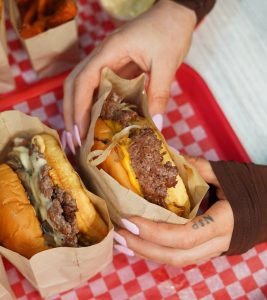
In the heart of Edmonton’s north side, Mr. Halal Burger has become more than a restaurant. It’s…

Canada’s halal food industry is often measured by the number of restaurants, products and grocery aisles carrying…

Buying halal food by the case, pallet, or freezer load can save money—but the right supplier depends…
Learn how rennet, enzymes and added ingredients affect halal cheese, with examples from halloumi, Turkish cheeses and European cheesemaking.
Published September 6, 2026 • Updated October 5, 2026
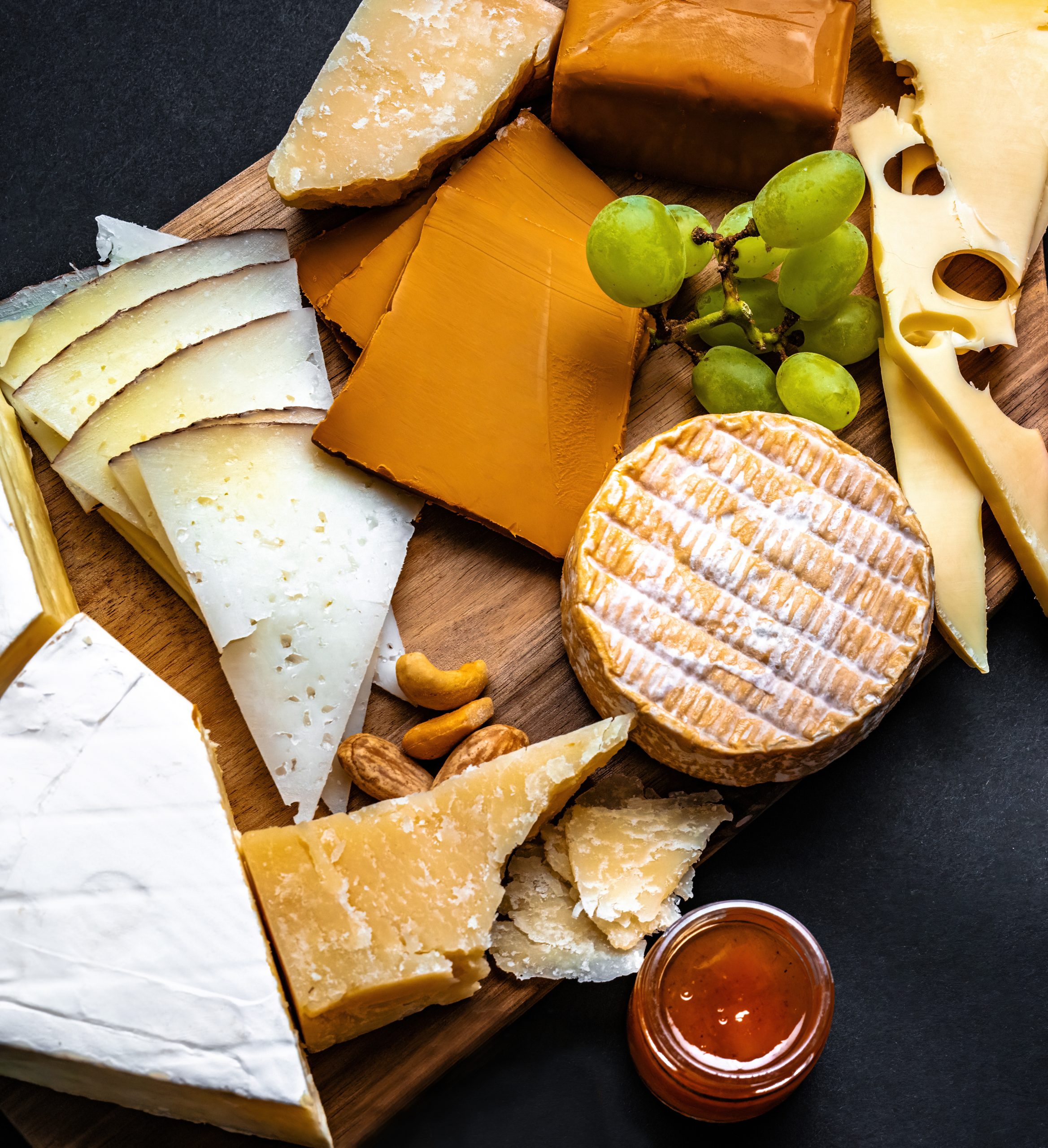
Cheese finds its way into almost every kind of meal: a slice of cheddar in a sandwich, mozzarella on pizza, white cheese beside olives at breakfast, or grilled halloumi with warm bread. Because it begins with milk, it is easy to assume that every cheese is halal.
Many cheeses can fit a halal diet, but cheese is not automatically halal simply because it is a dairy product. The ingredients used to turn milk into cheese—and sometimes those added afterwards—can make a difference. Halal certifiers examine these ingredients as well as production practices. Source: ISA Halal
Understanding a few label terms makes the cheese counter much easier to navigate.
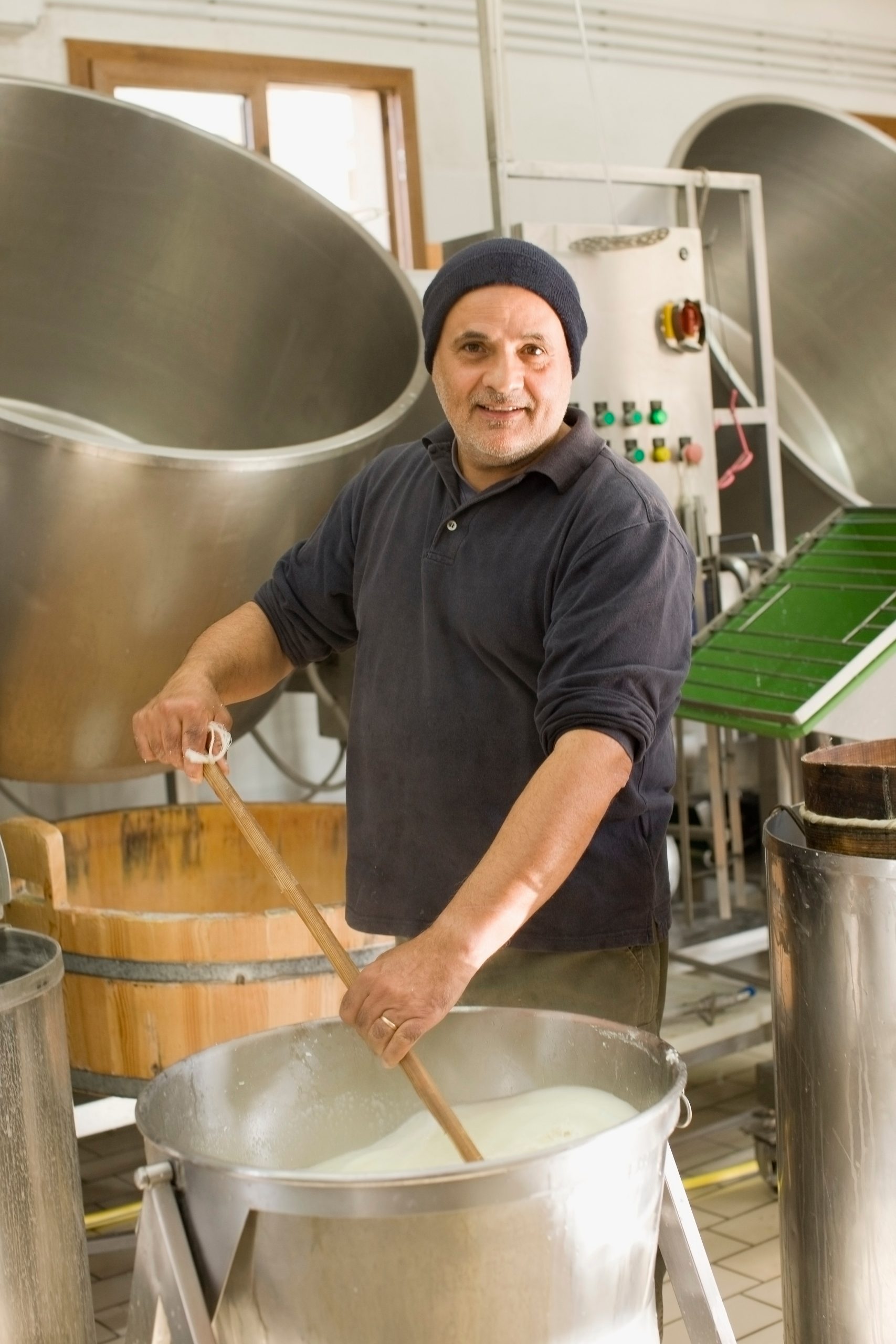
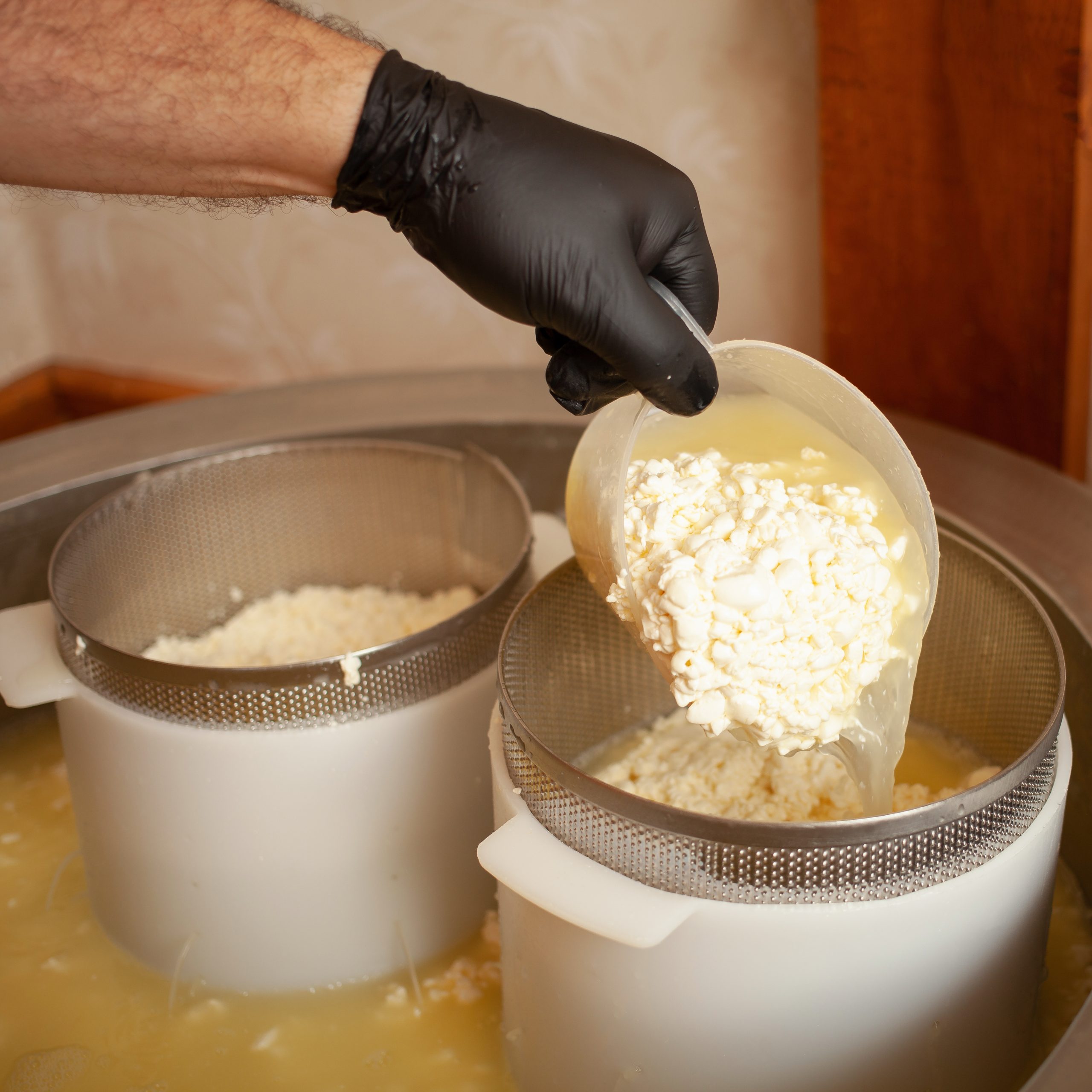
Rennet helps milk set into curds, which can then be separated from the liquid whey. It is a normal cheesemaking ingredient, not a warning sign on its own.
Traditional animal rennet contains enzymes that act on milk proteins. Alternatives can provide a similar milk-setting function without being extracted from an animal’s stomach. Cheesemaker Shelburne Farms explains both animal rennet and non-animal chymosin in its guide to the process. Source: Shelburne Farms
The halal question concerns the source. Singapore’s Islamic Religious Council, MUIS, distinguishes animal, microbial and plant-based rennet. Its guidance requires animal rennet to come from appropriately slaughtered halal animals, while microbial and plant-based sources are generally considered halal. Source: MUIS
There is also a recognised scholarly difference concerning rennet from otherwise permissible animals that were not slaughtered according to Islamic requirements. Some scholars permit it; others do not. That explains why Muslims may receive different answers about the same cheese. Follow the scholarly guidance you trust rather than treating every animal-rennet cheese as an undisputed case. Source: Islam Question & Answer
Turning over the package is a useful first step. A label that identifies the enzyme source tells you more than one that simply lists “enzymes.”
| Label wording | What it tells you | What to do next |
|---|---|---|
| Microbial rennet | The coagulant comes from microorganisms rather than animal stomachs. | A generally suitable source; check the rest of the product. |
| Plant-based rennet | The coagulant comes from plants. | Check other ingredients and any added flavourings. |
| Animal rennet | An animal source is involved. | Ask about the species and halal status under the guidance you follow. |
| Rennet or enzymes | The wording does not identify the source. | Contact the manufacturer or look for product-specific certification. |
These distinctions follow MUIS’s rennet guidance. An unspecified ingredient is a reason to clarify, not proof that a cheese is haram. Source: MUIS
Rennet is not the only consideration. The American Halal Foundation also assesses flavouring enzymes such as lipase, additives, culture media and manufacturing controls. Some speciality cheeses have wine- or beer-treated rinds, or animal-fat coatings. A vegetarian claim can help with the animal-rennet question, but does not independently establish halal certification for the whole product. Source: American Halal Foundation
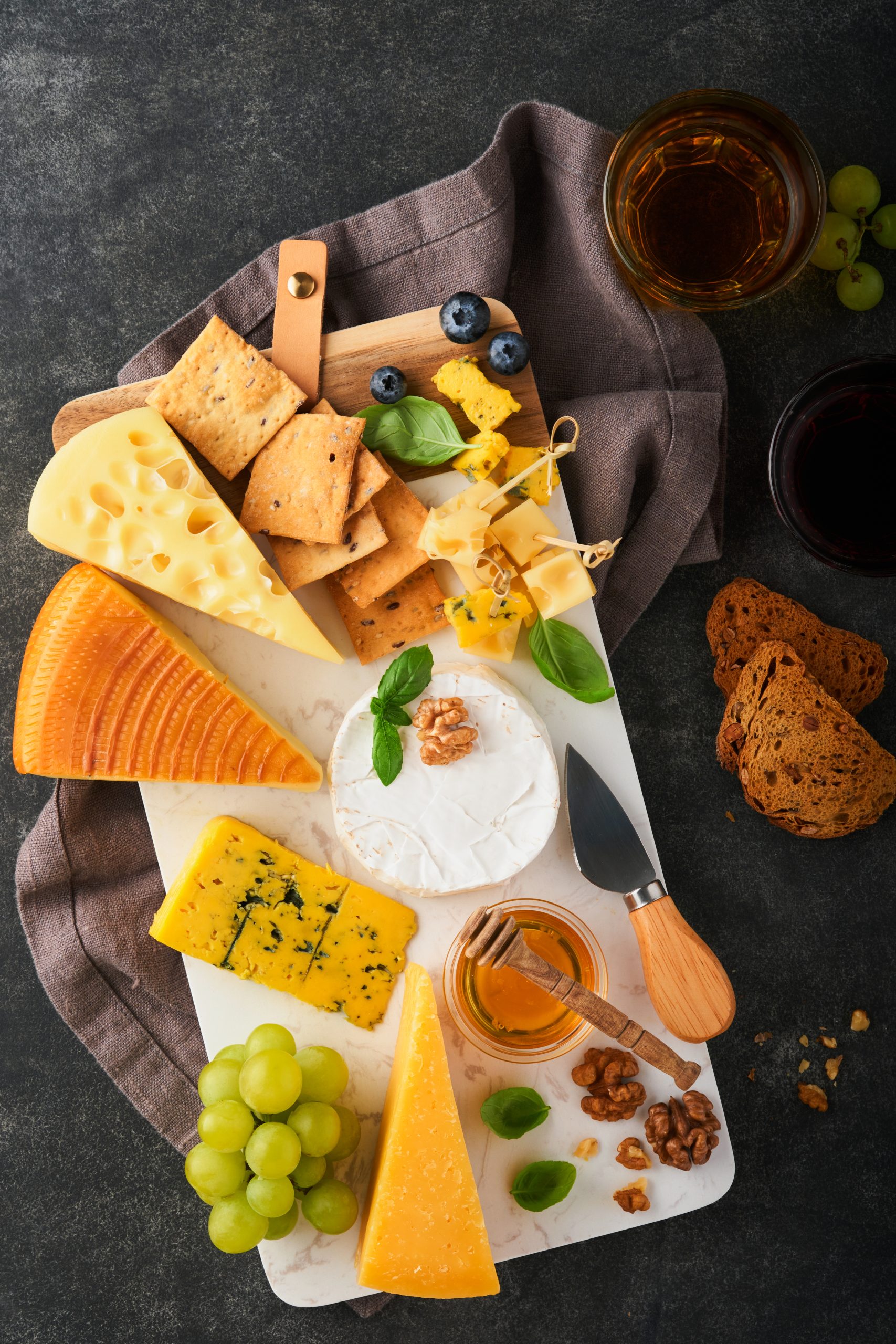
A cheese board can include accompaniments that need their own consideration. Separately, some speciality cheeses are treated with wine or beer during production. These are different questions from the source of the rennet; check the whole product when choosing a cheese for a halal meal.
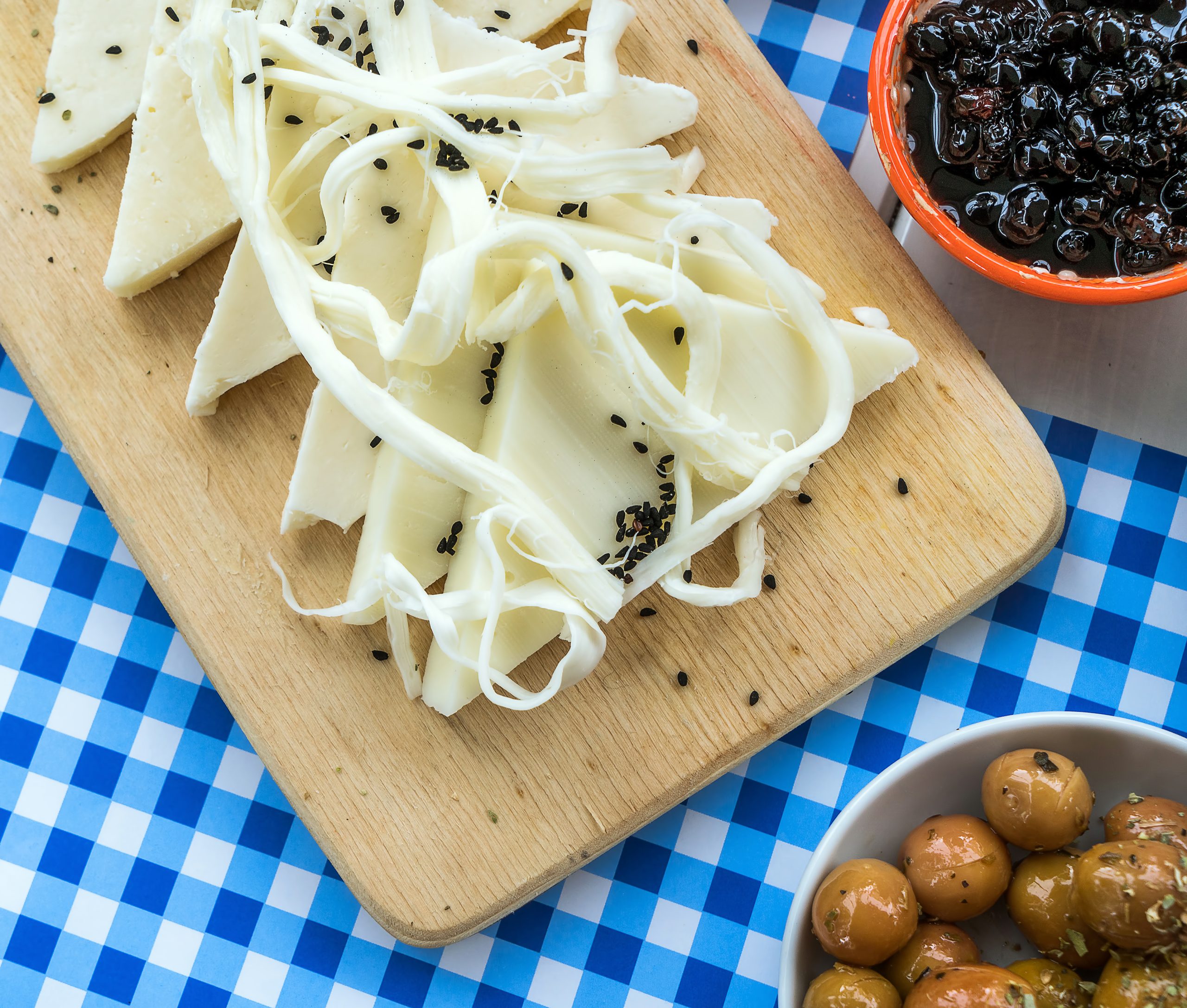
For shoppers who grew up with white cheese on the breakfast table, familiar Middle Eastern and Turkish brands can be a natural starting point. There are producers serving these markets that explicitly document halal production.
One example is Pınar Arabia: its company information describes cheese production in the UAE, including mozzarella, labneh and processed cheeses, with halal certification. This provides a concrete example of halal-focused production, rather than relying on a familiar brand name alone. Source: Pınar Arabia company information
The strongest assurance comes from the exact product’s ingredients and certification, rather than its country of origin alone.
A practical approach is to choose the familiar cheese you enjoy, then check the exact package or the producer’s halal information. “Made in Turkey,” Arabic writing, and a Middle Eastern cheese style are useful descriptions of origin or presentation; they do not explain every ingredient in that particular product.
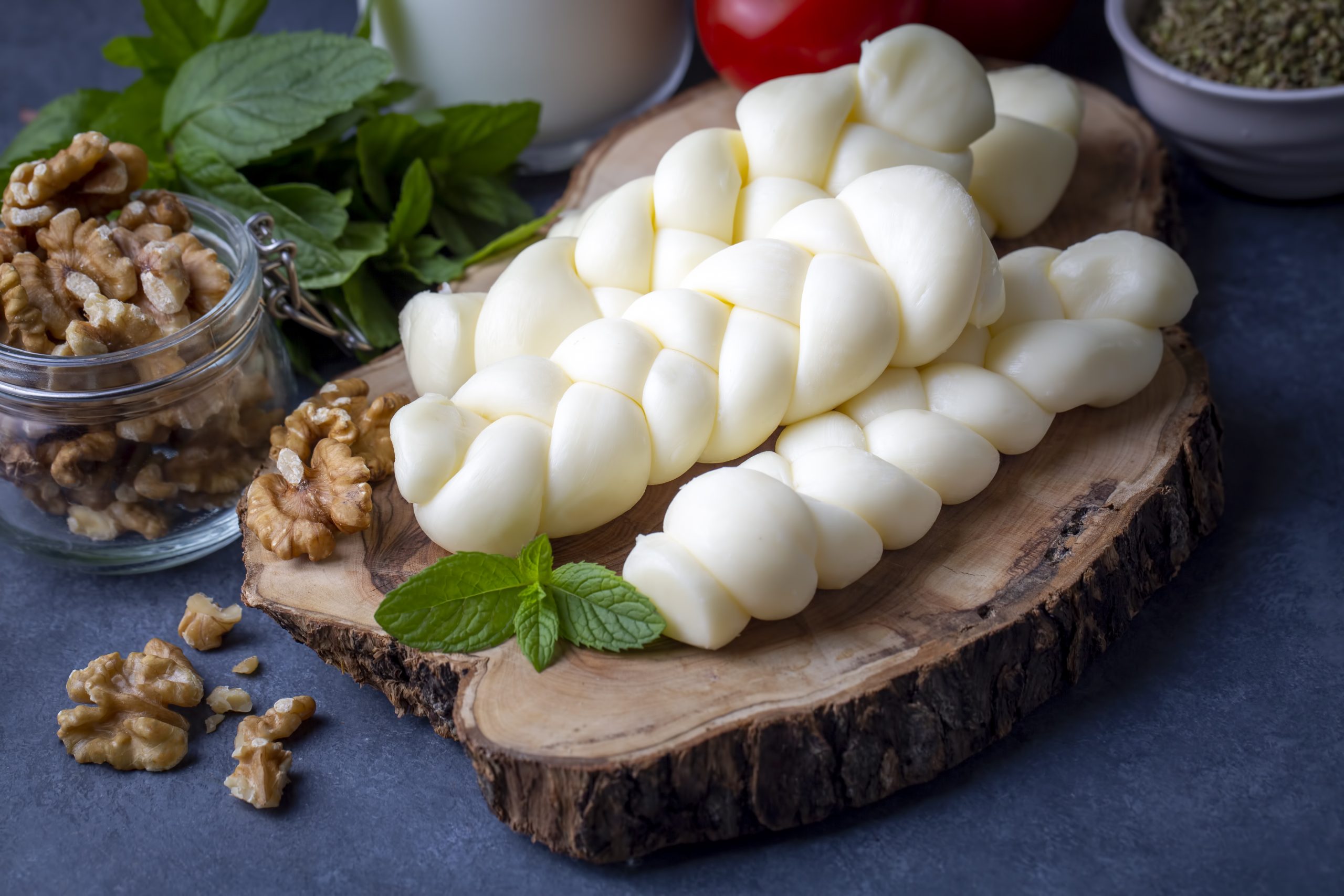
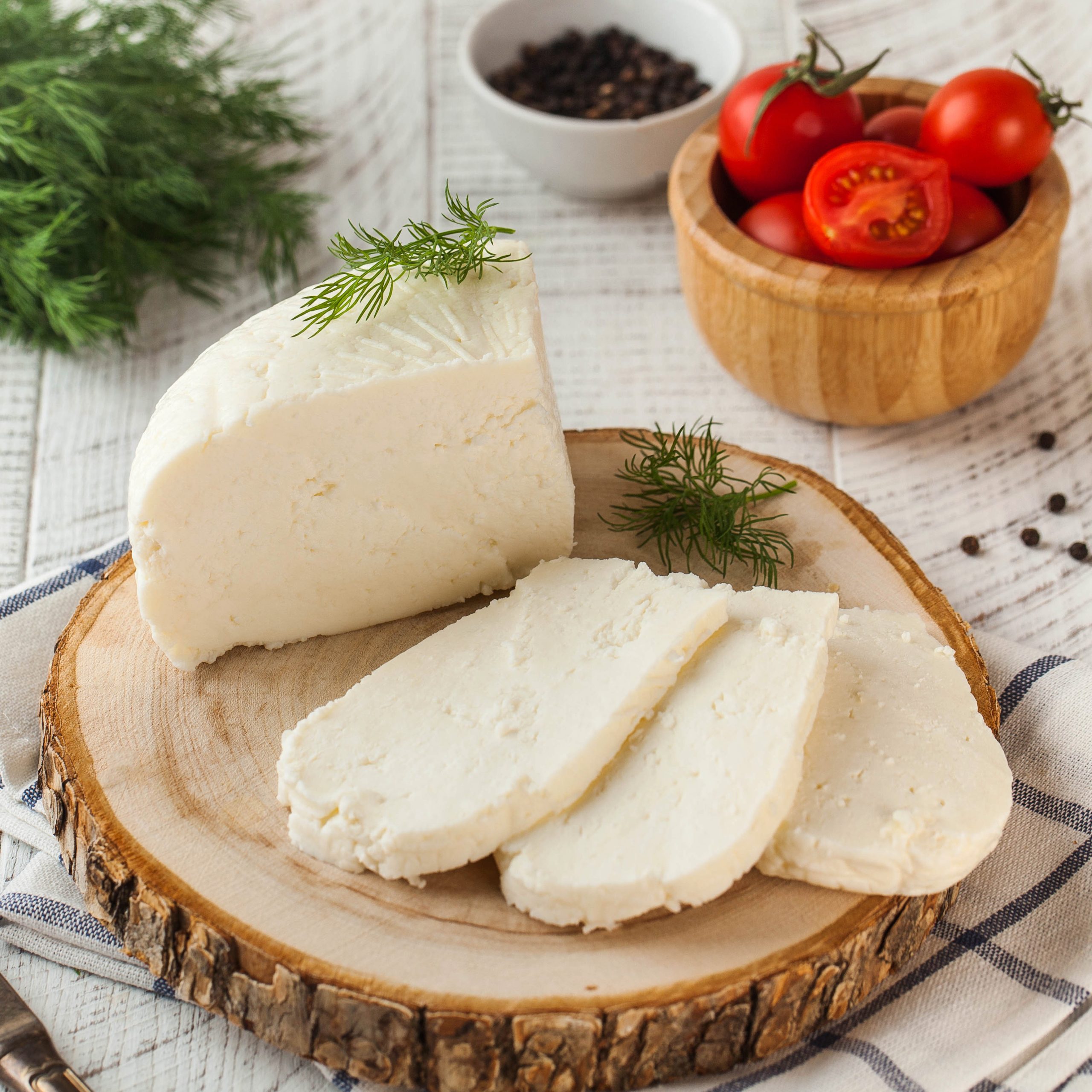
European cheesemaking has a long history shaped by local milk, preservation needs and regional craftsmanship. Rennet helped producers make cheeses that could be stored and transported.
Switzerland’s official information portal describes how rennet-based hard cheesemaking developed north of the Alps from the fifteenth century. These longer-lasting cheeses were useful for travellers and communities needing food that would keep. Source: Swiss Federal Department of Foreign Affairs
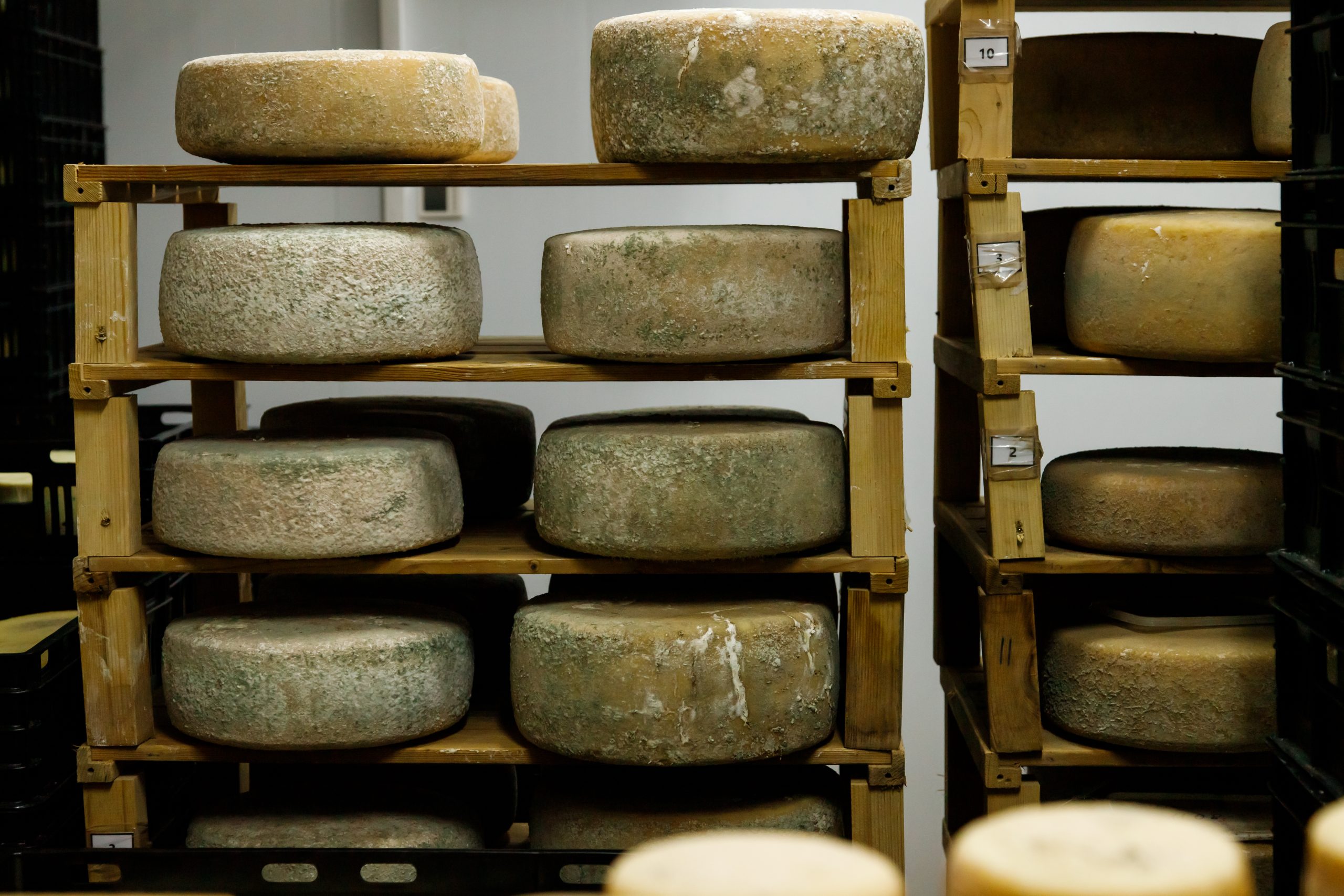
Rennet mainly helps form the curd. Cultures, moisture, salting and maturation also shape the finished cheese. The Swiss cheese industry’s production guide explains how bacterial cultures and rennet work together early in the process, followed by further steps that create the finished wheel. Source: Switzerland Cheese Marketing
These traditions were not necessarily designed around halal certification. However, it would be misleading to conclude that European cheese as a whole is unsuitable for Muslims.
Parmigiano Reggiano is a useful example. The consortium’s retail guidelines specify milk, salt and calf rennet. Yet the consortium also recognises halal-certified Parmigiano Reggiano, produced with additional traceability and oversight. A traditional recipe and halal requirements can coexist. The specific producer and product matter. Sources: Consortium ingredient guidelines, Consortium halal information
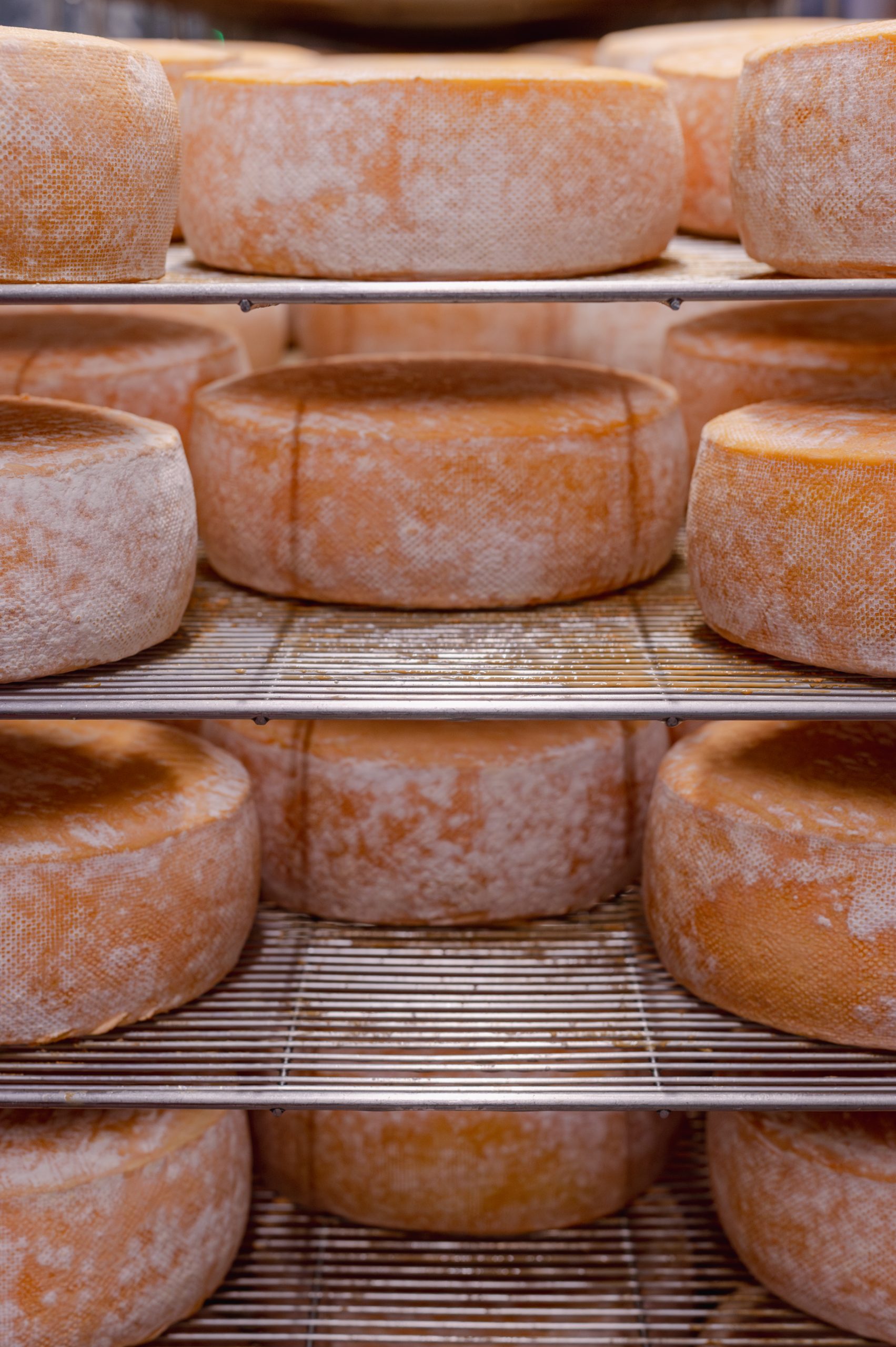
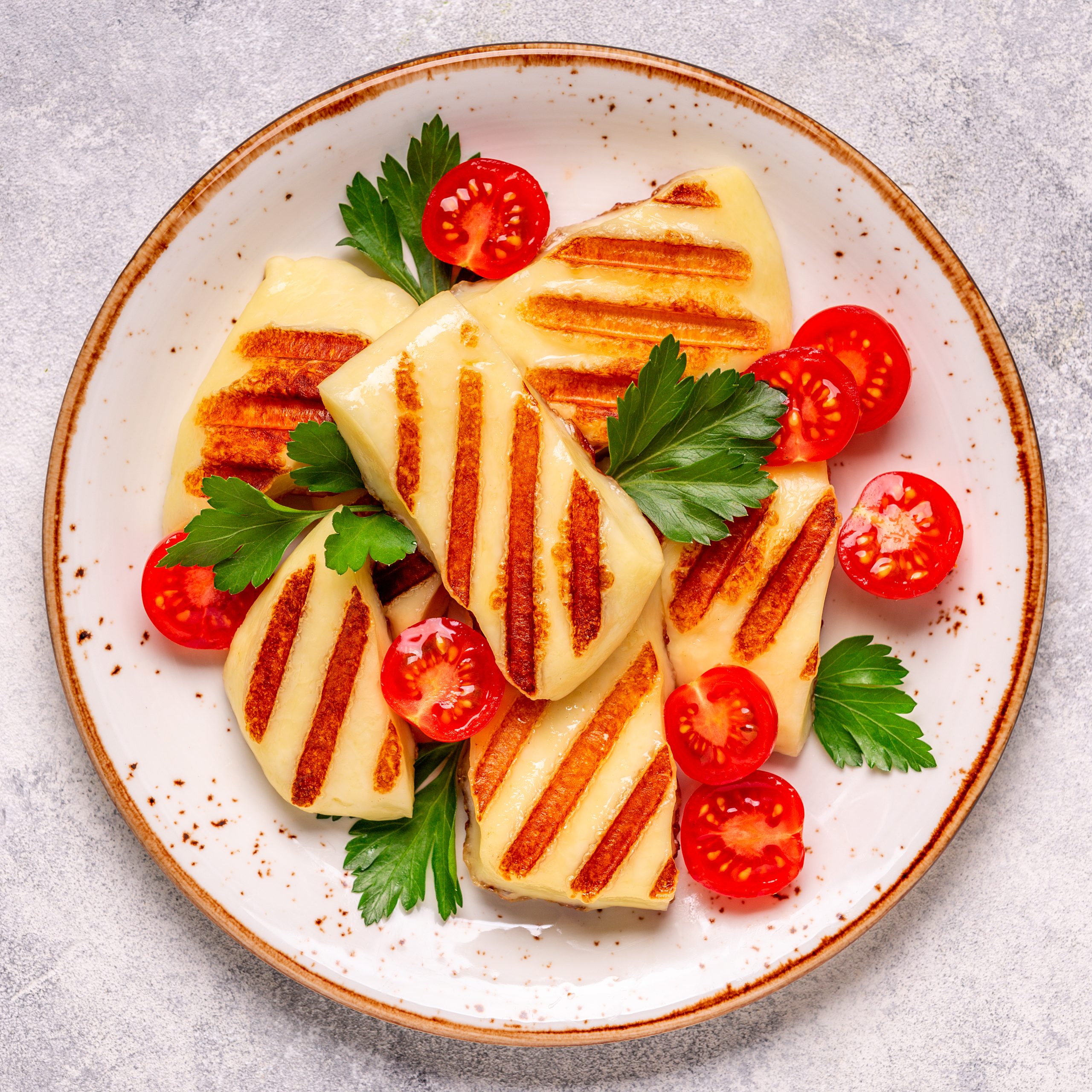
Halloumi can be a good option for halal meals, but it is not automatically halal in every version.
The important detail is that halloumi is made using rennet. For example, DODONI lists non-animal rennet in its halloumi ingredients and identifies it as microbial rennet in its product guidance. That is useful evidence about that manufacturer’s product—not a guarantee covering every cheese sold as halloumi. Sources: DODONI halloumi ingredients, DODONI product questions
DODONI also explains that its production method keeps the cheese’s pH close to neutral, helping it retain its shape during grilling. Its ability to brown without melting is a cheesemaking characteristic, not evidence of halal status.
If halloumi is a regular part of your shopping, look for a product with clear rennet information or recognised halal certification. Once you have found a suitable version, it can become an easy choice for breakfasts, salads and sandwiches.
Plain acid-set paneer is a clearer example than halloumi of a cheese that does not require animal rennet.
The New England Cheesemaking Supply Company describes paneer as a cheese made using heat and acid rather than rennet. In a simple recipe using milk and a suitable acid such as lemon juice, the animal-rennet question does not arise. Source: Paneer cheesemaking guide
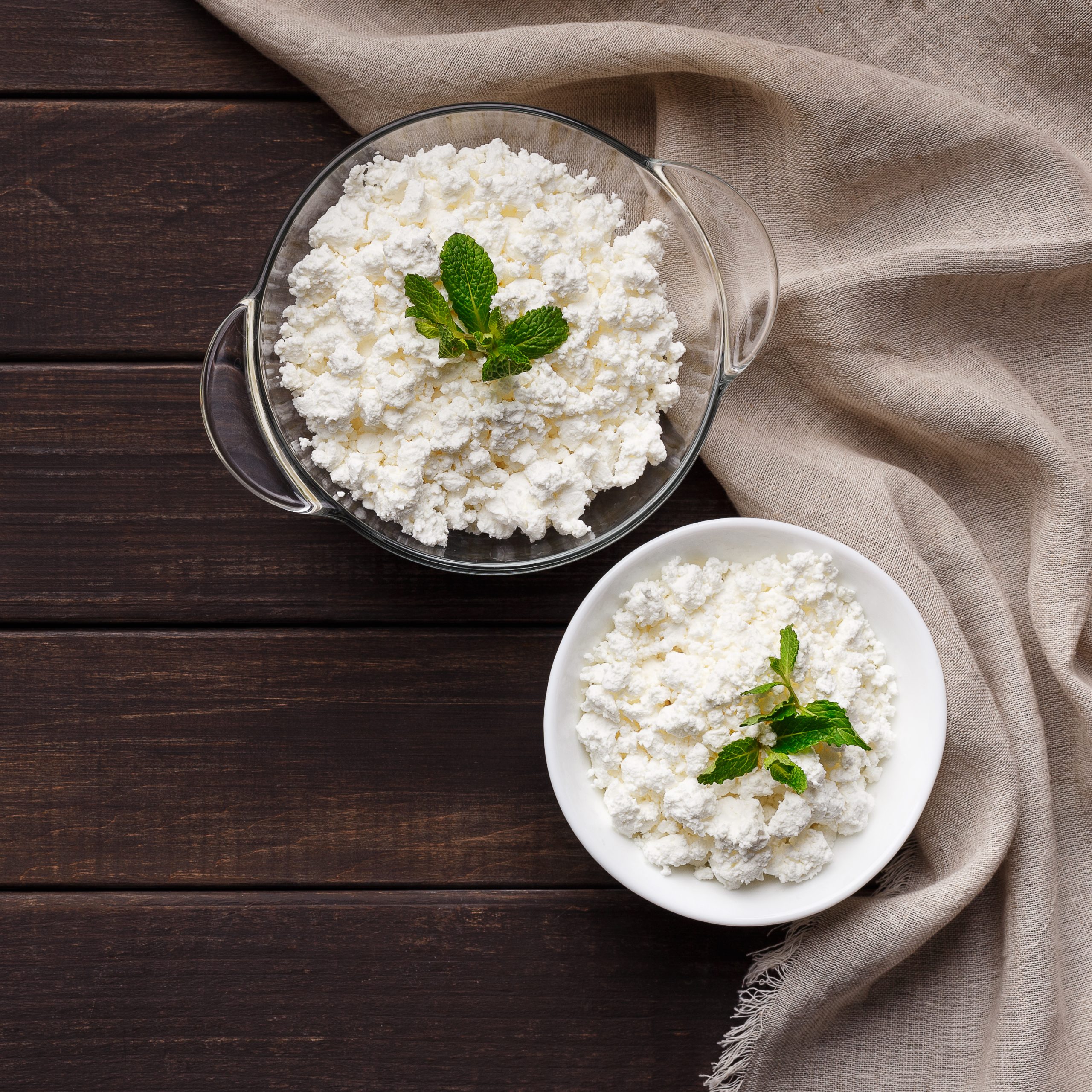
This makes the recipe straightforward to assess. It does not mean every flavoured paneer product or ready-made paneer dish has identical ingredients.
For shoppers wanting an uncomplicated choice, plain products with short, clearly identified ingredient lists are a sensible place to start. Check the actual recipe or package instead of assuming that every fresh, white or soft cheese is made the same way.
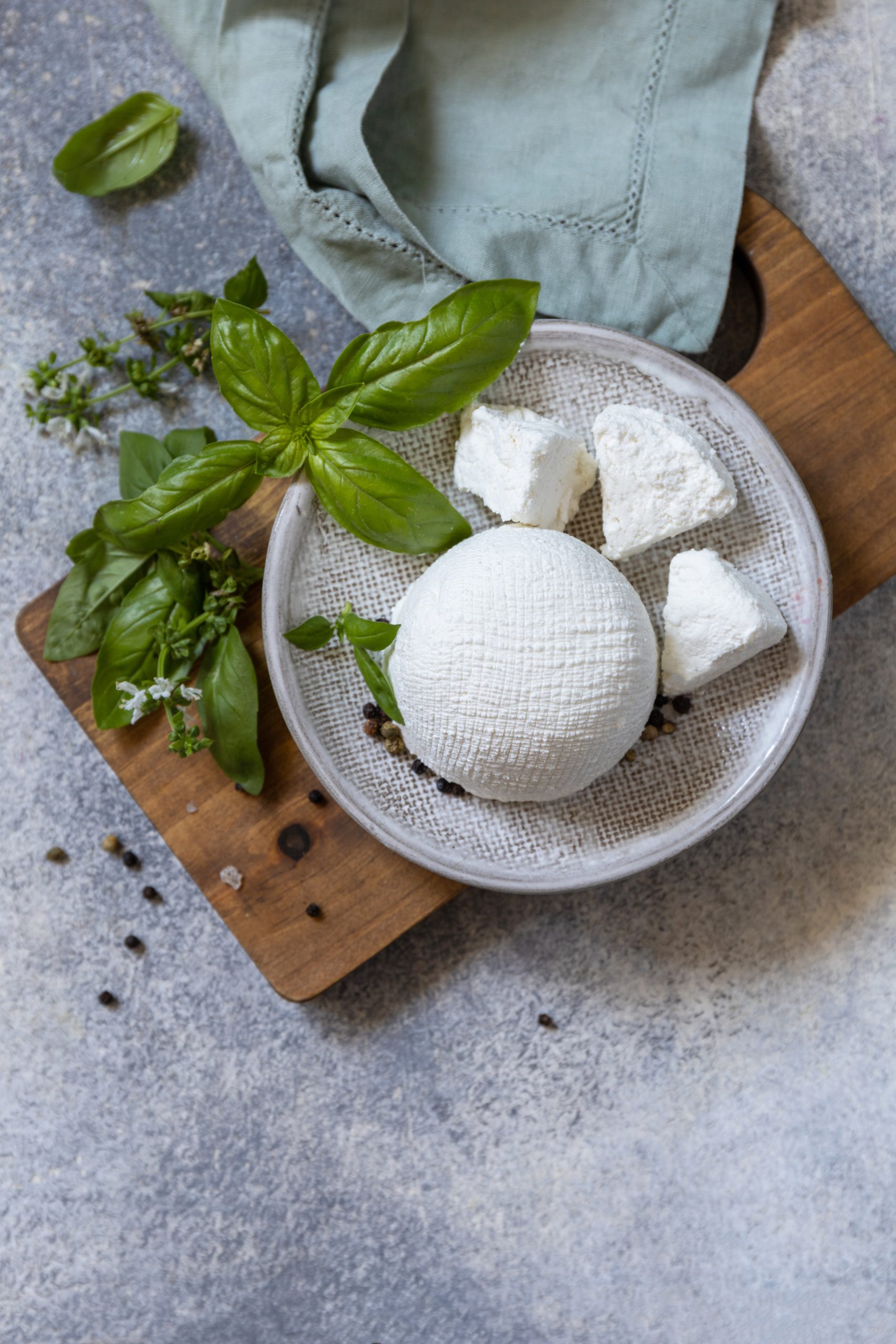
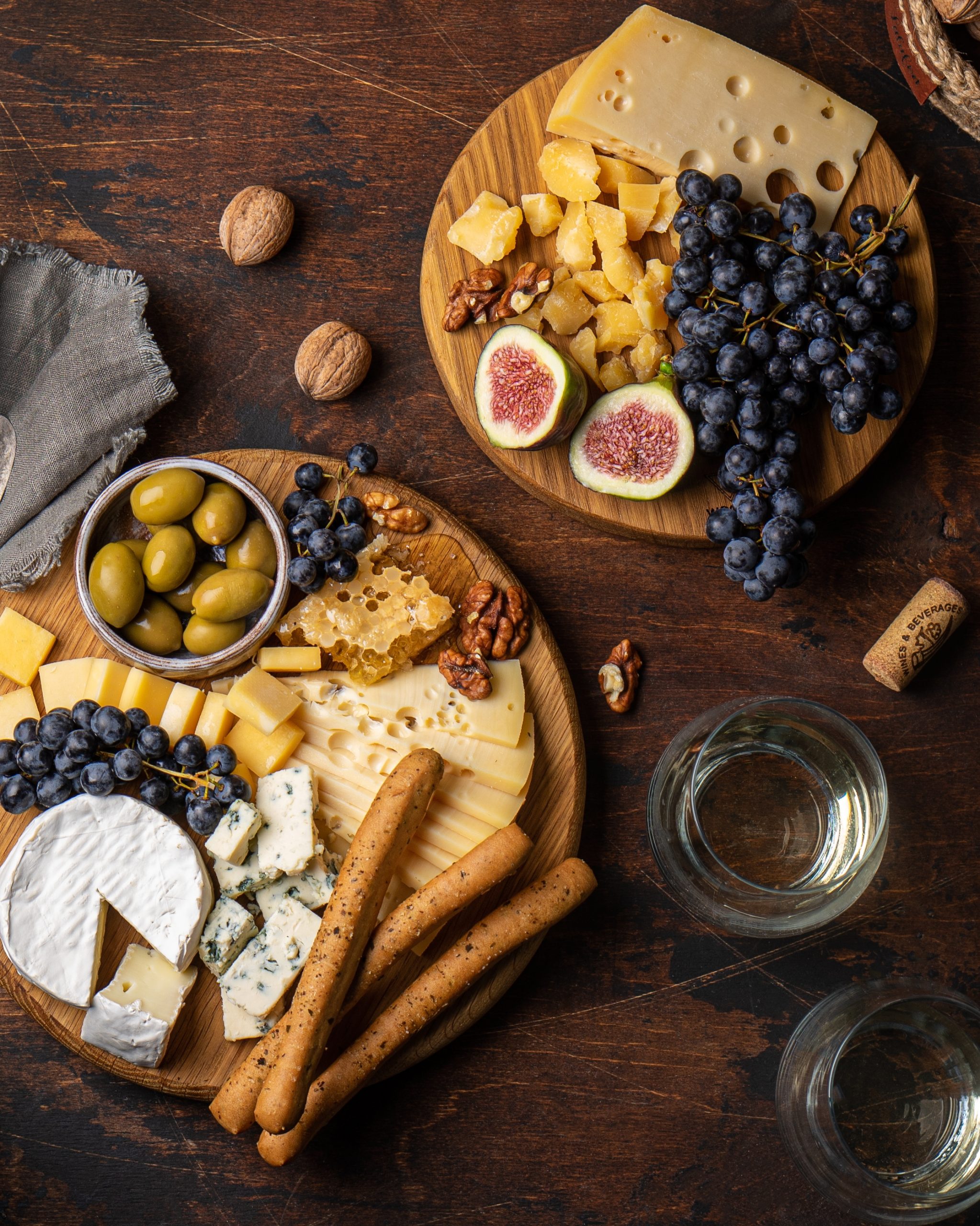
Start with the exact product, rather than trying to classify an entire country’s cheese or every version of a familiar variety.
1. Look for a halal certification mark you recognise. Check that it applies to the product you are buying.
2. Read the ingredient list. Look for identified rennet sources and additional flavourings.
3. Ask one focused question if the source is unclear: “Is the rennet animal-derived, microbial, plant-based or fermentation-produced, and is this specific cheese halal-certified?”
4. Use the answer alongside the scholarly guidance you follow. Keep the product name and market in your enquiry, because a brand may sell different formulations.
MUIS recommends certification or asking the manufacturer when the rennet source is unclear. Certification can also address production details that an ordinary ingredient list may not explain. Sources: MUIS, American Halal Foundation
For more help understanding animal-derived ingredients, read The Halal Food’s guide to beef gelatin and halal suitability. You can also explore The Halal Food directory to find food businesses in your area.