What is Eid al-Fitr?
Eid al-Fitr: The Joyous Reward After Ramadan A Celebration of Gratitude, Unity, and JoyEid al-Fitr, often referred…

Latest Updates



October 1, 2026

Guides & Resources

Eid al-Fitr: The Joyous Reward After Ramadan A Celebration of Gratitude, Unity, and JoyEid al-Fitr, often referred…
Cheese finds its way into almost every kind of meal: a slice of cheddar in a sandwich,…
Short answer: For most people in Canada, no—you cannot buy a sheep, goat, cow or chicken and…

Buying halal food by the case, pallet, or freezer load can save money—but the right supplier depends…
Are all vitamins halal? Learn how gelatin, glycerin, softgels, gummies, vitamin D3 and liquid formulas can affect a supplement’s halal status.
Published September 7, 2026 • Updated September 7, 2026
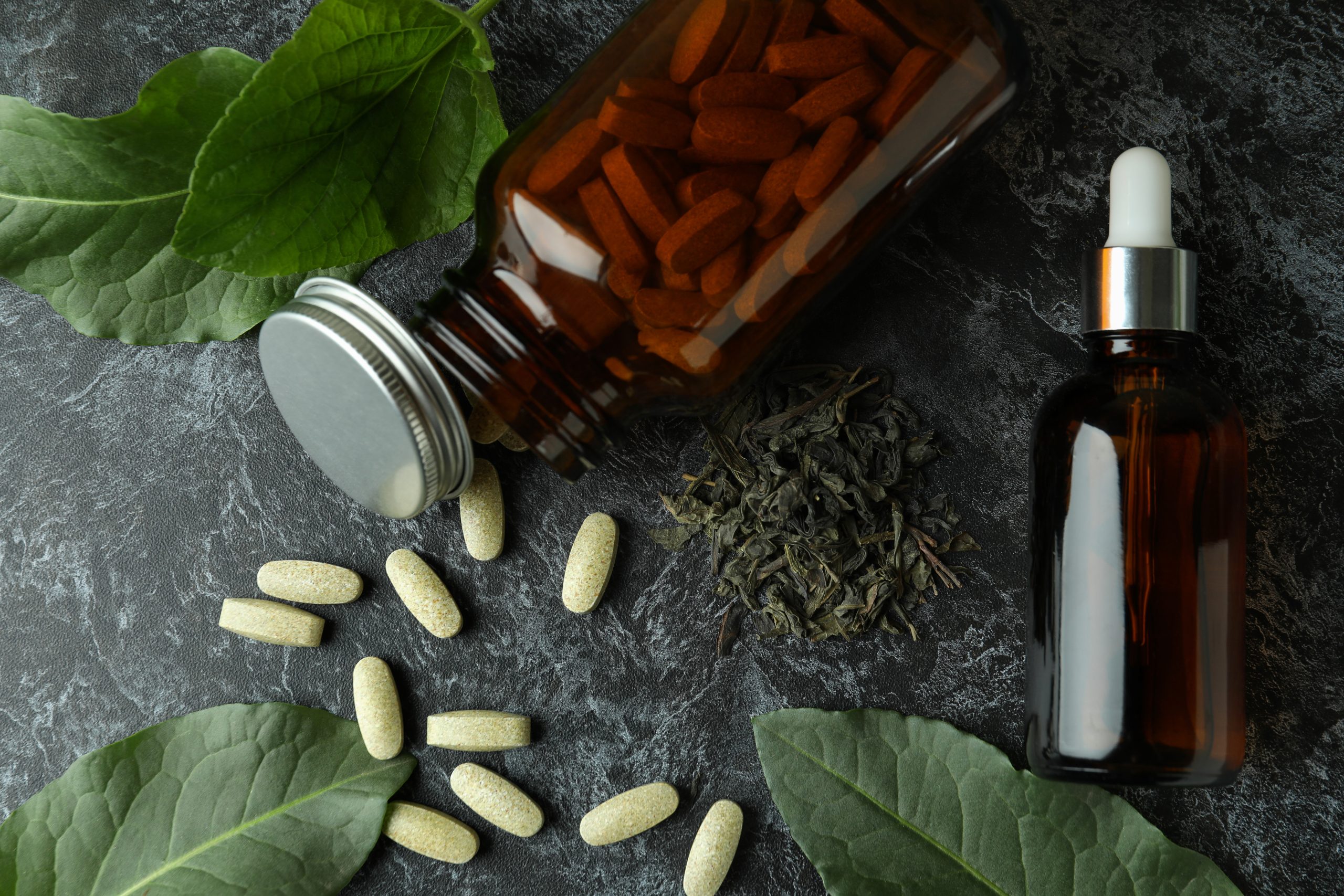
Vitamins can look simple: a letter, a dosage and a familiar bottle on the pharmacy shelf. But the vitamin named on the front is only one part of the finished product. Capsules, softgels, gummies and liquid supplements may also contain gelatin, glycerin, flavourings, colours, oils and processing ingredients whose sources are not immediately obvious.
So, are all vitamins halal? No—not automatically. Many vitamin ingredients are halal in themselves, and many supplements are made entirely from acceptable plant, mineral, microbial or synthetic sources. However, the formulation and manufacturing process can change the answer. Muslim consumers need to examine the complete product, not only the active vitamin printed in large letters.
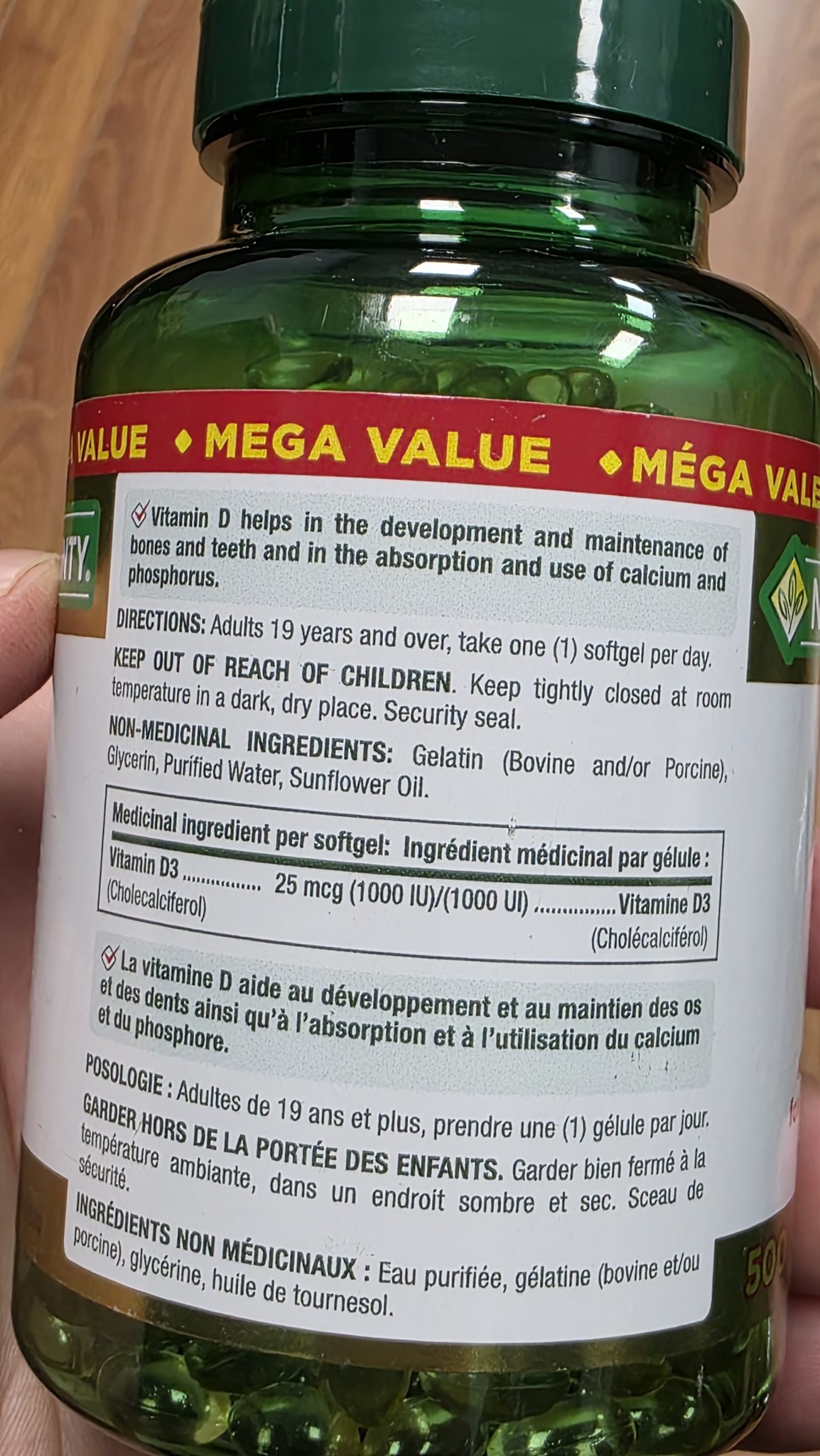
The accompanying Nature’s Bounty Vitamin D3 bottle is a useful real-world example. Its front identifies a common 1,000 IU vitamin D3 supplement. The non-medicinal ingredients on the back include “Gelatin (Bovine and/or Porcine)”, along with glycerin, purified water and sunflower oil.
That wording does not identify which animal source was used in the individual bottle. Porcine gelatin is not halal. “Bovine” only means cattle-derived; it is not the same as halal-certified bovine gelatin. Without clearer sourcing or reliable halal certification, a Muslim consumer cannot confirm this softgel as halal from the label.
This is also why reading only the medicinal ingredient—vitamin D3—is not enough. Health Canada’s guidance requires natural health product labels to provide medicinal and non-medicinal ingredient information so consumers can make informed choices. Source: Health Canada
Gelatin is widely used because it forms a smooth, flexible shell that is easy to swallow and can hold oils such as vitamin D or omega-3. Its source may be pork, cattle, fish or another animal. A label that says only “gelatin” leaves the origin unclear.
Even the phrase “bovine gelatin” does not by itself confirm halal status. Consumers who follow standards requiring halal slaughter and controlled processing should look for certification or confirmation from the manufacturer. Fish gelatin and plant-based shells made from cellulose, often listed as hypromellose or HPMC, can provide clearer alternatives, provided the rest of the formula is also acceptable.
For a closer explanation of animal sources and certification, read our guide: What Is Beef Gelatin and Is It Always Halal?
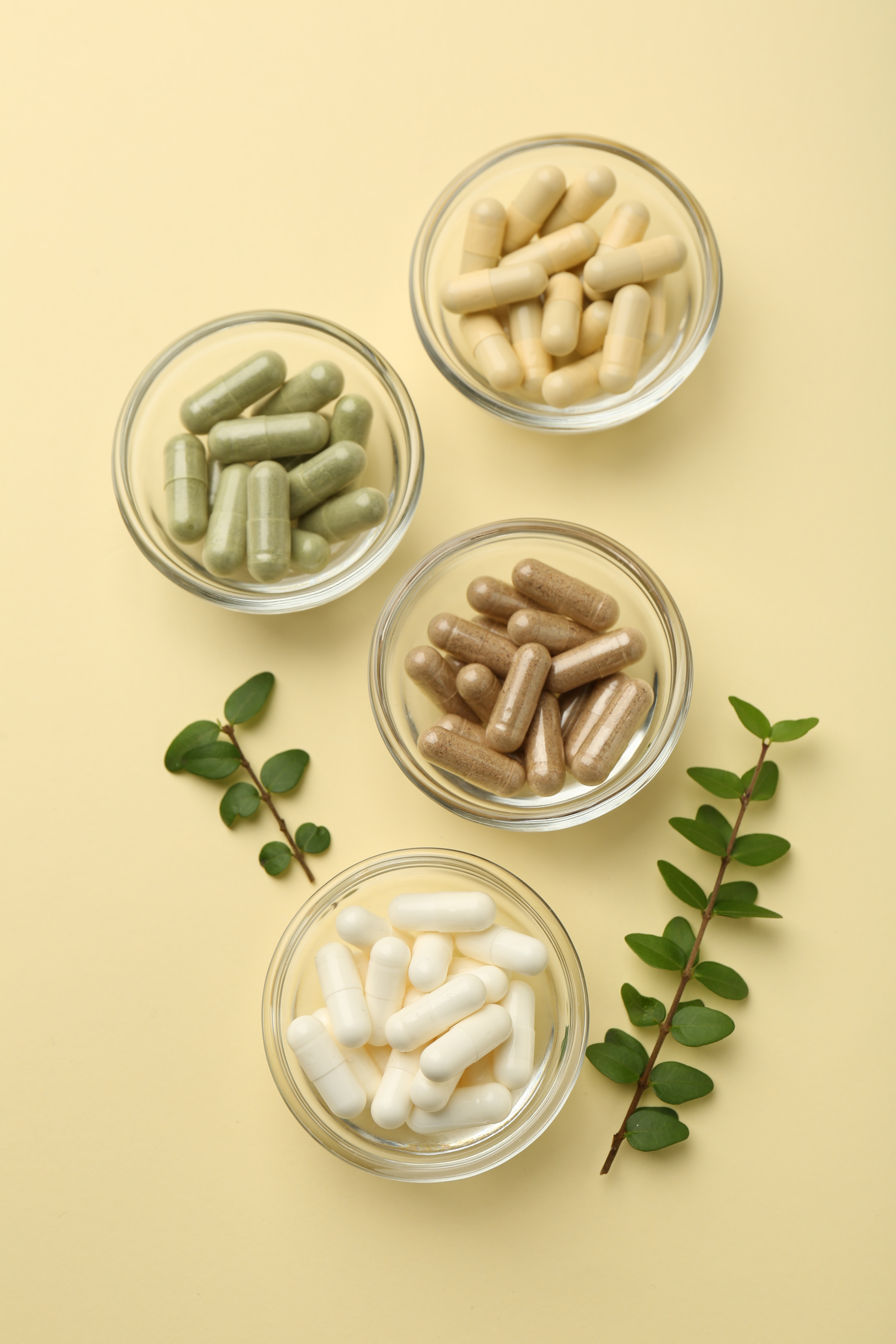
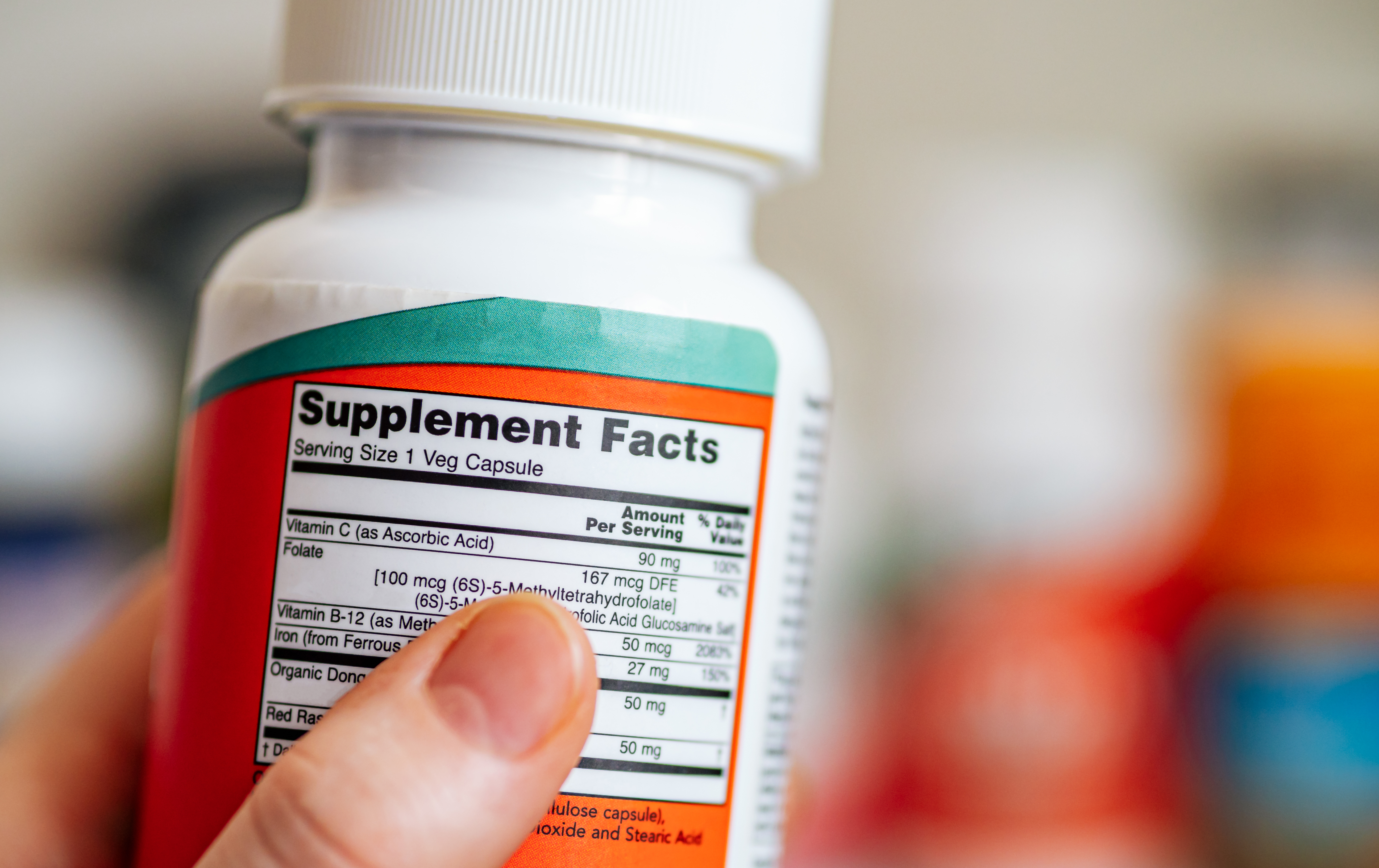
Glycerin or glycerol helps retain moisture in softgels and gummies. It can be made from plant oils, animal fat or synthetic sources. If the source is not stated, halal certification or direct manufacturer confirmation is the clearest route.
Stearic acid and magnesium stearate are used during tablet production and may be plant- or animal-derived. Flavours and colours can also involve carriers or source materials that are not apparent from a short label description. Carmine, for example, is insect-derived and is treated differently across halal standards and scholarly opinions.
A long chemical name is not automatically haram, and a “natural” claim does not automatically mean halal. The useful question is not whether an ingredient sounds unfamiliar, but where it came from and whether its processing was verified.
The source of the active nutrient can matter too. The U.S. National Institutes of Health explains that vitamin D2 is commonly produced from yeast, while vitamin D3 is typically produced from lanolin obtained from sheep’s wool. Animal-free vitamin D3 made from lichen is also available. Source: NIH Office of Dietary Supplements
Lanolin-derived D3 should not be confused with porcine gelatin. Lanolin comes from wool, while gelatin is a structural protein extracted from animal tissues. Some consumers accept lanolin-derived D3, while others prefer vegan or specifically halal-certified alternatives. In either case, a D3 softgel may still have a separate gelatin shell that needs checking.
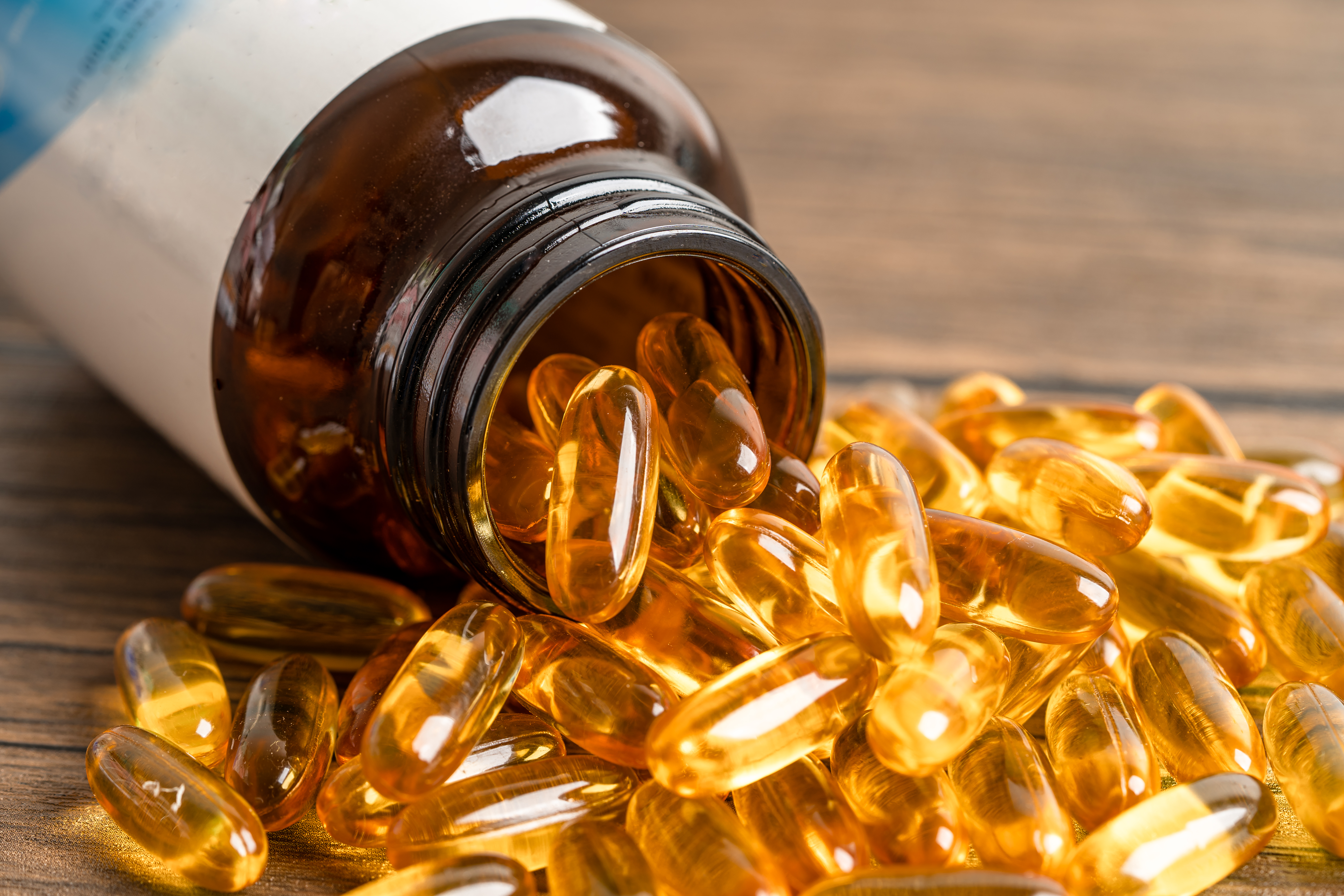
Fish oil itself is generally a straightforward ingredient for Muslim consumers, but an omega-3 product may still use bovine or porcine gelatin, glycerin and flavourings in its softgel. Read both the source of the oil and the capsule ingredients.
Gummy vitamins commonly use gelatin, although pectin-based vegan gummies are increasingly available. Pectin solves the gelatin question, but it does not verify every colour, flavour or coating ingredient. “Vegan” is helpful evidence that animal-derived ingredients were avoided; it is not a substitute for halal certification when alcohol or other processing concerns remain.
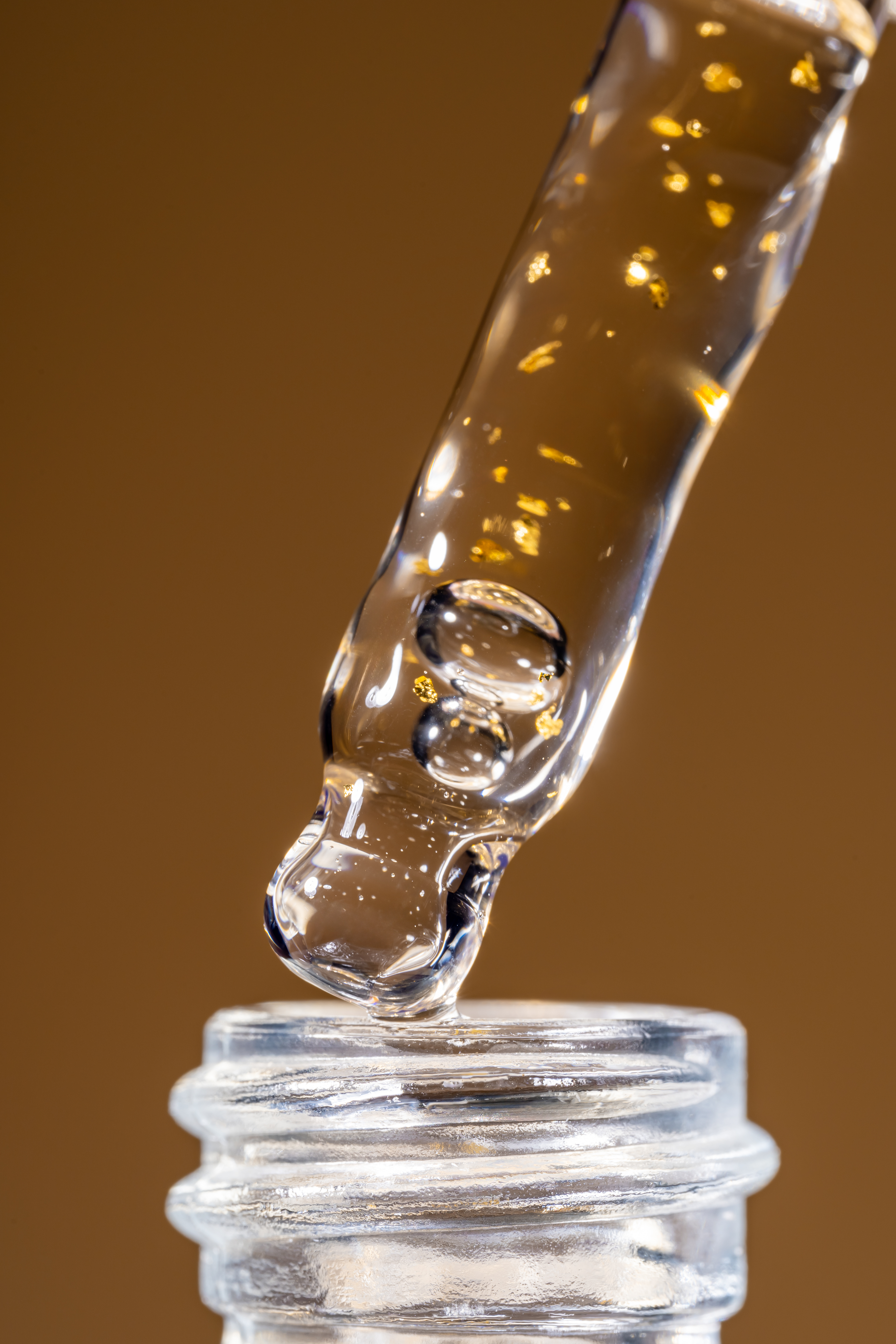
Liquid vitamins may use glycerin, flavour extracts or alcohol as solvents and carriers. The presence, purpose and final amount can vary significantly, and halal standards do not always evaluate these formulas identically. The Halal Monitoring Authority’s consumer product-check criteria consider vegetarian suitability, alcohol declarations and recognized halal certification, while warning that an “approved” product is not the same as one under ongoing certification. Source: Halal Monitoring Authority Canada
Rather than deciding from one word alone, check the full formula and consult the certifier’s current product record.
A credible halal certification evaluates ingredients and, depending on the certifier’s program, may also cover suppliers, production controls and contamination risks. This generally provides the clearest answer.
A vegan product avoids animal-derived ingredients, making porcine and bovine gelatin unlikely. However, halal questions involving alcohol-based carriers or manufacturing controls may remain. A vegetarian product can still contain dairy, eggs, honey or lanolin, and standards for capsule materials may vary.
Logos should also be verified. Look up the product or manufacturer through the certifier’s official directory, particularly if the packaging has changed. HMA notes that formulations and suppliers can change, so an earlier ingredient review should not be treated as permanent.
1. Start with certification. Look for a recognized halal logo and verify it through the certifier rather than relying only on the symbol printed on the package.
2. Read the non-medicinal ingredients. In Canada, this is where gelatin, glycerin, oils, flavours, colours and capsule materials are usually found. Health Canada also provides a searchable database for licensed natural health products, which can help when the bottle text is difficult to read. Search Canada’s Licensed Natural Health Products Database.
3. Identify the dosage form. Tablets often have fewer animal-source questions than softgels or gummies, but every formula is different. Vegetable capsules, powders and clearly labelled liquids may offer alternatives.
4. Treat “bovine” as a source description, not a halal guarantee. Look for halal-certified bovine gelatin or obtain reliable confirmation about slaughter and processing.
5. Ask a precise question. Instead of asking a manufacturer whether a product is “vegetarian,” ask whether the capsule, glycerin, stearates, flavours and active vitamin sources contain pork or non-halal animal derivatives.
6. Recheck occasionally. Packaging, ingredient suppliers and manufacturing locations can change. A previous answer may no longer describe the current bottle.
Halal awareness should support informed care, not lead someone to abruptly stop a medically important product. If a doctor or pharmacist recommended a supplement, ask whether a tablet, powder, liquid, vegetable capsule or verified halal alternative can provide the required nutrient and dose. For questions involving necessity or the absence of alternatives, consult a qualified healthcare professional and a trusted scholar familiar with the details of the product.
No. The active vitamin may be acceptable while the finished supplement contains an uncertain or non-halal capsule shell, gummy base, carrier or flavour system. Gelatin—especially a label that permits “bovine and/or porcine”—is one of the clearest warning signs, but it is not the only ingredient worth checking.
The most dependable approach is simple: choose a currently verified halal-certified product when available, read both medicinal and non-medicinal ingredients, favour clearly identified plant or fish alternatives where appropriate, and contact the manufacturer or certifier when the source remains unclear.
For more help understanding gelatin labels, see Is Gelatin Halal? and explore more practical halal guidance from The Halal Food.