Can Investing Be Halal? A Canadian Guide to Shariah-Compliant Investing
Investing is not automatically haram just because money may grow. In Islamic finance, the key distinction is…

Latest Updates



October 1, 2026

Guides & Resources

Investing is not automatically haram just because money may grow. In Islamic finance, the key distinction is…
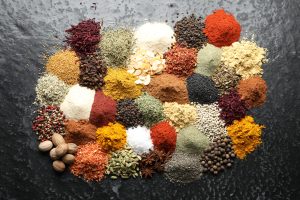
Spices are the heartbeat of Halal cuisine. They do more than just add color; they tell the…

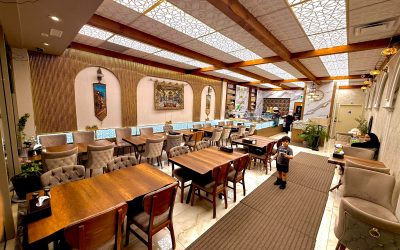
Ridgeway Plaza is one of Mississauga’s best-known food and community destinations. Located in west Mississauga, it includes…

For many Muslim consumers, navigating the snack aisle or the pharmacy can feel like a mission in…
Learn why pork is haram in Islam, the religious basis for the prohibition, how it affects halal food choices and what Muslim consumers look for in ingredients.
Published April 19, 2026 • Updated September 4, 2026
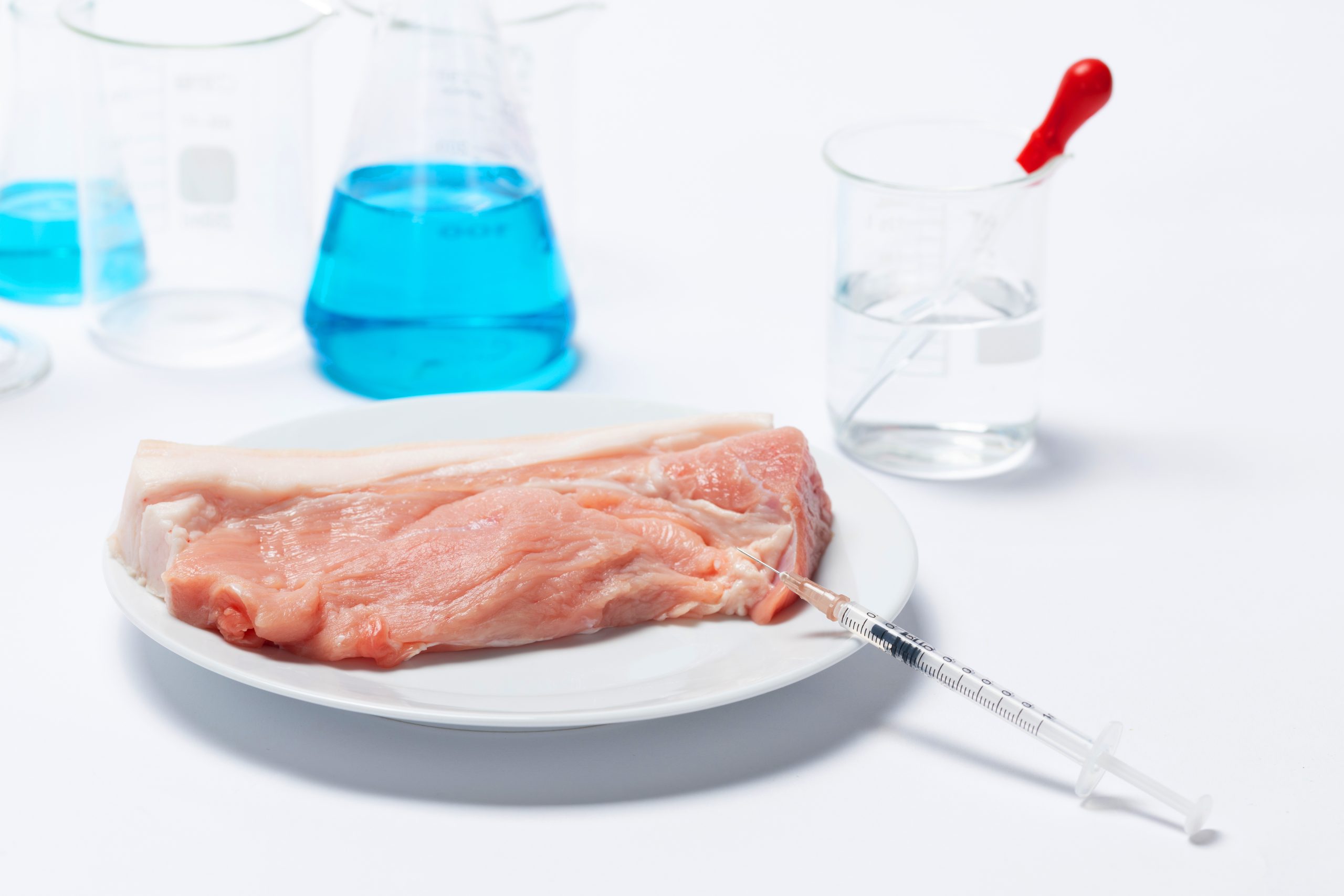

The framework of Islamic nutrition is built on two concepts: Halal (permissible) and Haram (forbidden).
These laws are designed to promote physical health and spiritual purity. In Islam, the prohibition of pork is not a matter of debate but a clear divine injunction.
For those exploring the concept of halal, the prohibition of pork is perhaps the most well-known aspect of Islamic food laws.
This post aims to explain the “why” behind this haram practice, bridging the gap between religious tradition, modern science, and ethical considerations that shape the dining experience in Canada.
The Quran explicitly lists pork as forbidden in several chapters. The primary reason a Muslim abstains from pork is "submission"—following a command believed to come from a Higher Power who knows what is best for human well-being.
Beyond simple obedience, scholars note that Islamic law emphasizes Tayyib (purity). Pigs are traditionally viewed as animals that consume filth, and the prohibition serves as a spiritual guard against consuming "impure" essence.

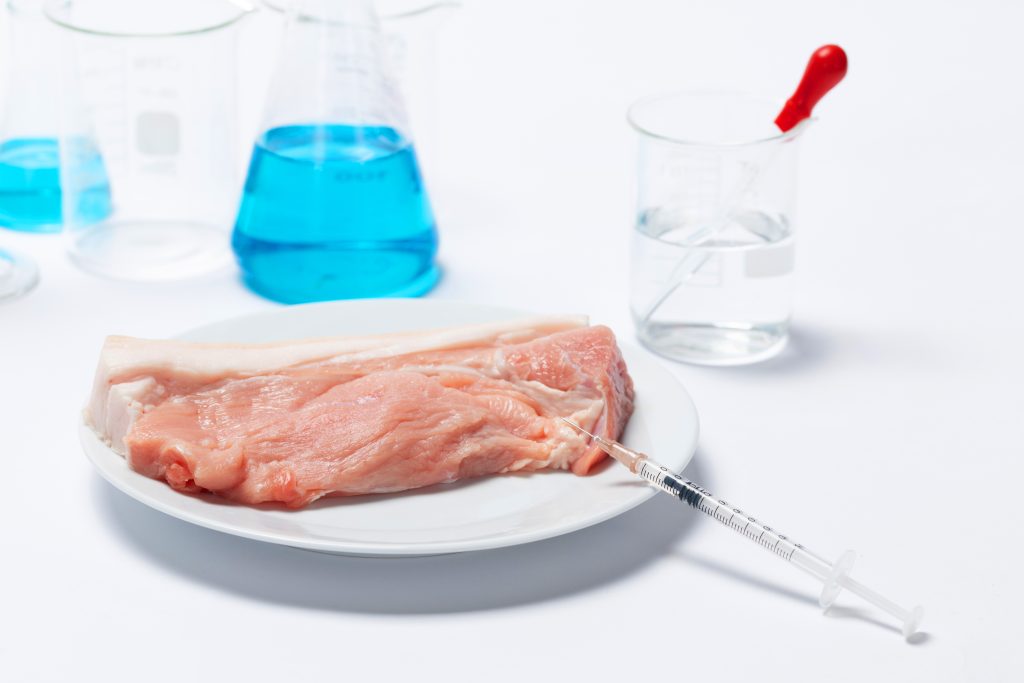
While the primary motivation for Muslims is religious, modern science offers insights into why pork was historically and biologically categorized as high-risk.
Pigs can carry parasites like Trichinella spiralis, which causes trichinosis, and the pork tapeworm (Taenia solium) According to the Centers for Disease Control and Prevention (CDC), consuming undercooked pork remains a historical and primary source of human transmission of this infection.
Pigs digest food in about 4 hours, whereas cows take 24 hours. This rapid process means toxins aren't always fully filtered out of the animal's system before being absorbed into its fat.
Pork is often higher in saturated fats and cholesterol compared to many lean Halal alternatives.
Unlike ruminants (cows/sheep) that have multiple stomachs to filter toxins, a pig’s metabolic system is more direct, often storing more environmental toxins in its tissues.
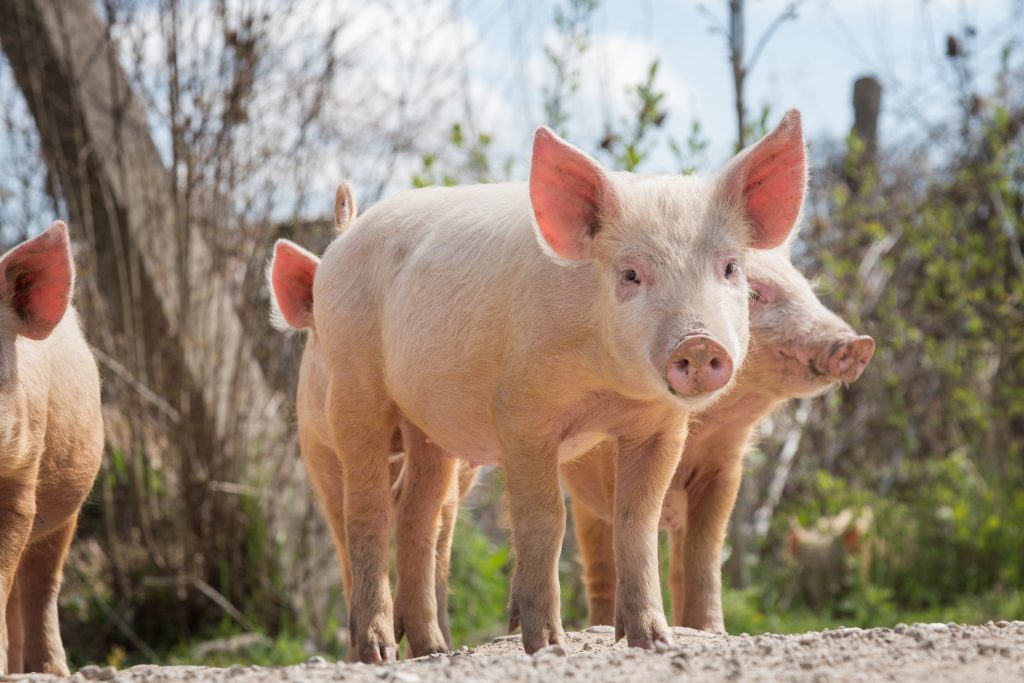
Pork is a staple in the North American diet, often appearing in forms that consumers might not expect. Understanding these derivatives is essential for anyone adhering to Islamic dietary laws.
| Food Category | Potential Pork Ingredient |
|---|---|
| Breakfast Foods | Bacon, sausage, or beans flavored with lard. |
| Snack Foods | Potato chips with "smoky" flavorings or gelatin-based candies. |
| Baked Goods | Shortening or lard used for flaky textures in donuts or pies. |
| Dining Out | "House" broths, ramen, or sauces thickened with animal fats. |
The prohibition of pork in Islam extends beyond its meat itself to include all its derivatives used in the food industry, based on the verse in Surah Al-Ma'idah: {Forbidden to you are carrion, blood, and the flesh of swine}. One of the most controversial derivatives in the Canadian market is gelatin, which is often extracted from pigskin and bones for use in confectionery and pharmaceuticals. Therefore, many Muslims ask: Is gelatin halal? The answer is mostly haram but still depends primarily on the source of the material and its processing method, making it essential to verify halal certifications.
To serve the Muslim community, Canadian restaurants must go beyond simply "not serving pork." They must implement a system of total separation and verified sourcing.
The prohibition of pork in Islam is a multifaceted practice rooted in divine command, supported by biological insights, and maintained through cultural discipline. In Canada, where food options are endless, the choice to eat Halal is a commitment to purity and health. Whether you are a Muslim diner or a non-Muslim peer, understanding these rules fosters a more respectful and inclusive food culture for everyone.