What Is Halal Food? A Culture
Wondering what “halal” means when you see it on a restaurant menu or grocery label? Start with…

Latest Updates
September 18, 2026

September 15, 2026

September 15, 2026
September 11, 2026
Guides & Resources
Wondering what “halal” means when you see it on a restaurant menu or grocery label? Start with…

What is Ramadan? A Journey Through Faith, Food, and Self-Discovery Ramadan is far more than a simple…
Walking through Ottawa Kabab's doors, I immediately noticed an inviting atmosphere built around authentic hospitality and fresh…

Canada’s halal food industry is often measured by the number of restaurants, products and grocery aisles carrying…
Can Muslims eat kosher meat or food? Learn when some scholars permit it, why kosher is not automatically halal, and what Muslim shoppers should check.
Published February 4, 2026 • Updated September 10, 2026
Yes, many Muslim scholars permit Muslims to eat kosher meat, especially when halal meat is unavailable—but kosher is not automatically halal in every situation. The answer depends on how a scholar applies the Qur’anic permission for the food of the People of the Book, how the animal was slaughtered, and whether the final food contains anything Islam prohibits, such as alcohol or pork-derived ingredients.
For ordinary kosher food: it may be halal if every ingredient is halal. For kosher meat: there is a recognized difference of scholarly opinion. Muslims who follow the stricter view should choose meat carrying reliable halal certification. When in doubt, ask a trusted local scholar whose guidance you follow.
The discussion begins with Qur’an 5:5, which permits the food of those who were given Scripture. Jews are included among the People of the Book, and this verse is the main basis used by scholars who permit meat slaughtered according to Jewish law.
However, Muslim scholars do not all apply that permission to modern commercial meat in exactly the same way. Some consider properly slaughtered kosher meat permissible as long as the animal itself is halal to eat and no separate prohibited factor is known. Others require confirmation that Islamic slaughter conditions were met, including the invocation of Allah’s name, and therefore do not treat a kosher label alone as sufficient.
This means the most accurate answer is not a universal “yes” or “no.” A Muslim may eat kosher meat according to one recognized opinion, while another Muslim may avoid it based on the opinion or halal standard they follow.
Kosher and halal overlap, but they are separate religious systems. A kosher symbol confirms compliance with Jewish dietary law; it is not a halal certificate and does not claim that every Islamic requirement has been checked.
The Halal Monitoring Authority in Canada notes important differences involving the words recited at slaughter, alcohol, seafood and certification standards.
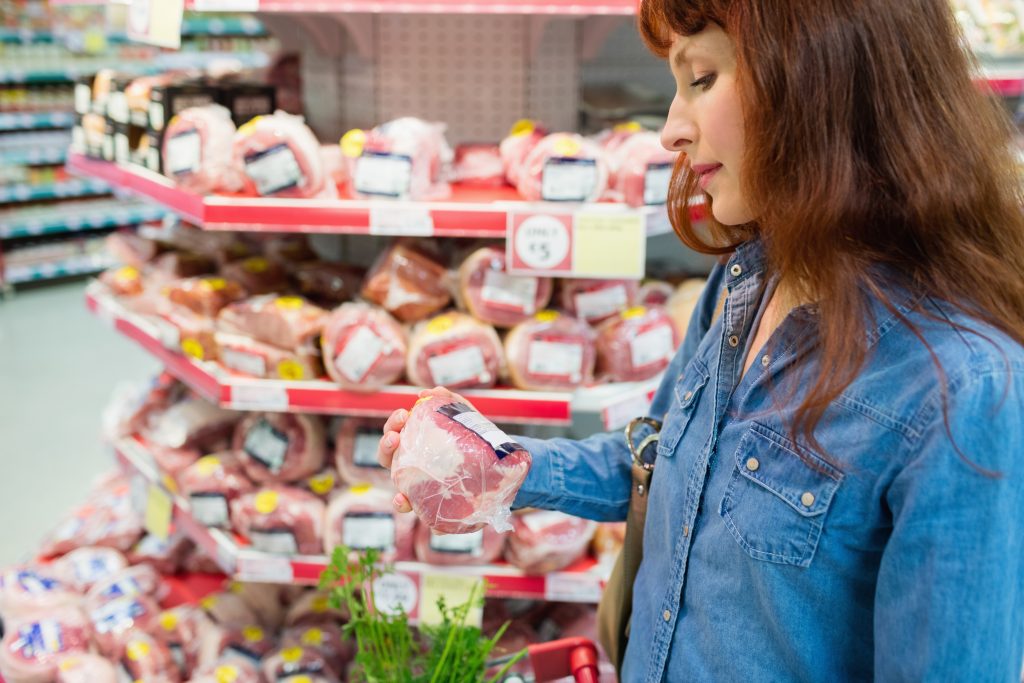
Searchers often use “kosher food” and “kosher meat” as if they mean the same thing, but the practical answer differs.
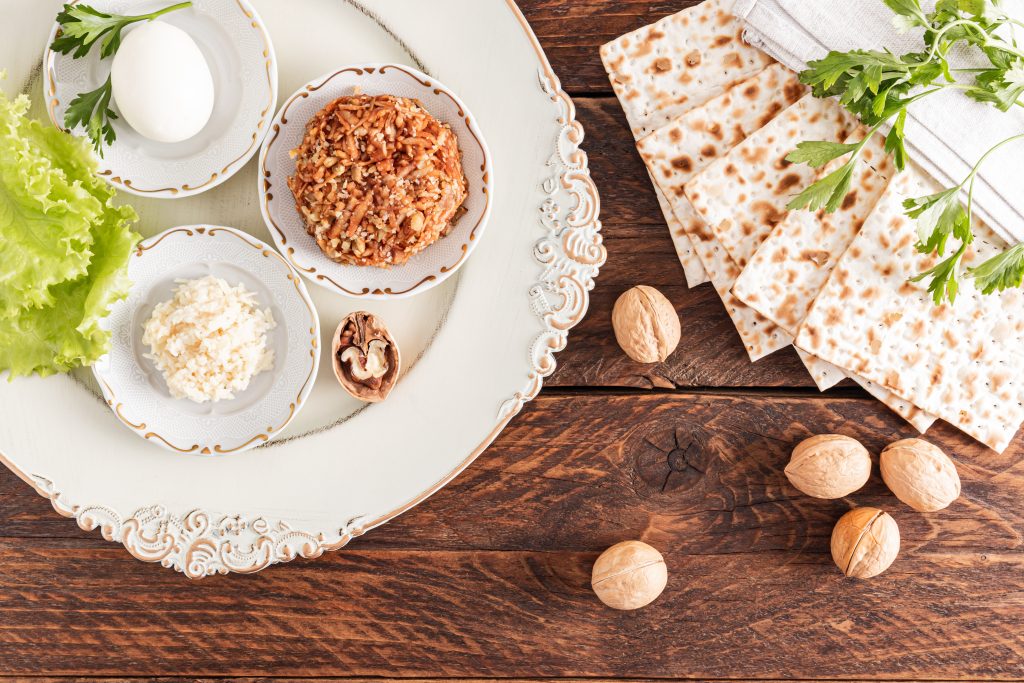
Kosher certification addresses permitted species, ingredients, equipment and preparation under Jewish dietary law. For meat, shechita is performed by a trained Jewish slaughterer called a shochet. Kosher law also requires blood removal and separates meat from dairy.
The Orthodox Union’s kosher primer explains that kosher rules are detailed and that processed foods need reliable supervision. That supervision is meaningful—but it answers a Jewish dietary-law question, not every halal question.
| Question | Halal | Kosher |
|---|---|---|
| Religious framework | Islamic dietary law | Jewish dietary law, known as kashrut |
| Pork and blood | Prohibited | Prohibited |
| Permitted land animals | Species must be halal and slaughter must meet the applicable Islamic requirements | Only specified kosher species qualify, with additional preparation rules |
| Person performing slaughter | A qualified slaughterer under the halal standard being followed | A trained Jewish shochet |
| Invocation at slaughter | The name of Allah is central to halal slaughter; details vary among legal opinions | A blessing is associated with the slaughter process, but the practice is not identical to halal tasmiyah for each animal |
| Blood removal | Consumption of blood is prohibited | Blood is removed through prescribed soaking, salting or broiling |
| Meat with dairy | Permitted if both are halal | Not permitted together |
| Alcohol | Intoxicating alcohol is prohibited | Certain alcoholic products can be kosher |
| Seafood | Widely permitted, with differences among schools regarding some species | Fish require fins and scales; shellfish are not kosher |
| Certification | Confirms compliance with the certifier’s halal standard | Confirms compliance with the certifier’s kosher standard |
Kosher food is not automatically halal, but it is not automatically haram either. Many ordinary kosher foods can be halal after their ingredients are checked. Kosher meat is subject to a genuine scholarly difference: some Muslims eat it based on the permission concerning the food of the People of the Book, while others require meat verified under a halal slaughter standard.
For the simplest and most cautious choice, buy reliably halal-certified meat. If halal meat is unavailable and you are considering kosher meat, follow the ruling of a qualified scholar you trust.