How to Start a Halal Food Business in Canada
The Blueprint for Success: Launching Your Halal Food Business in Canada The Halal food sector in Canada…

Latest Updates



October 1, 2026

Guides & Resources

The Blueprint for Success: Launching Your Halal Food Business in Canada The Halal food sector in Canada…
Spices are the heartbeat of Halal cuisine. They do more than just add color; they tell the…

Eid al-Fitr: The Joyous Reward After Ramadan A Celebration of Gratitude, Unity, and JoyEid al-Fitr, often referred…
Wondering what “halal” means when you see it on a restaurant menu or grocery label? Start with…
Explore Ramadan fasting, its spiritual purpose, common health considerations and the food traditions that shape suhoor, iftar and Eid celebrations.
Published January 8, 2026 • Updated September 4, 2026
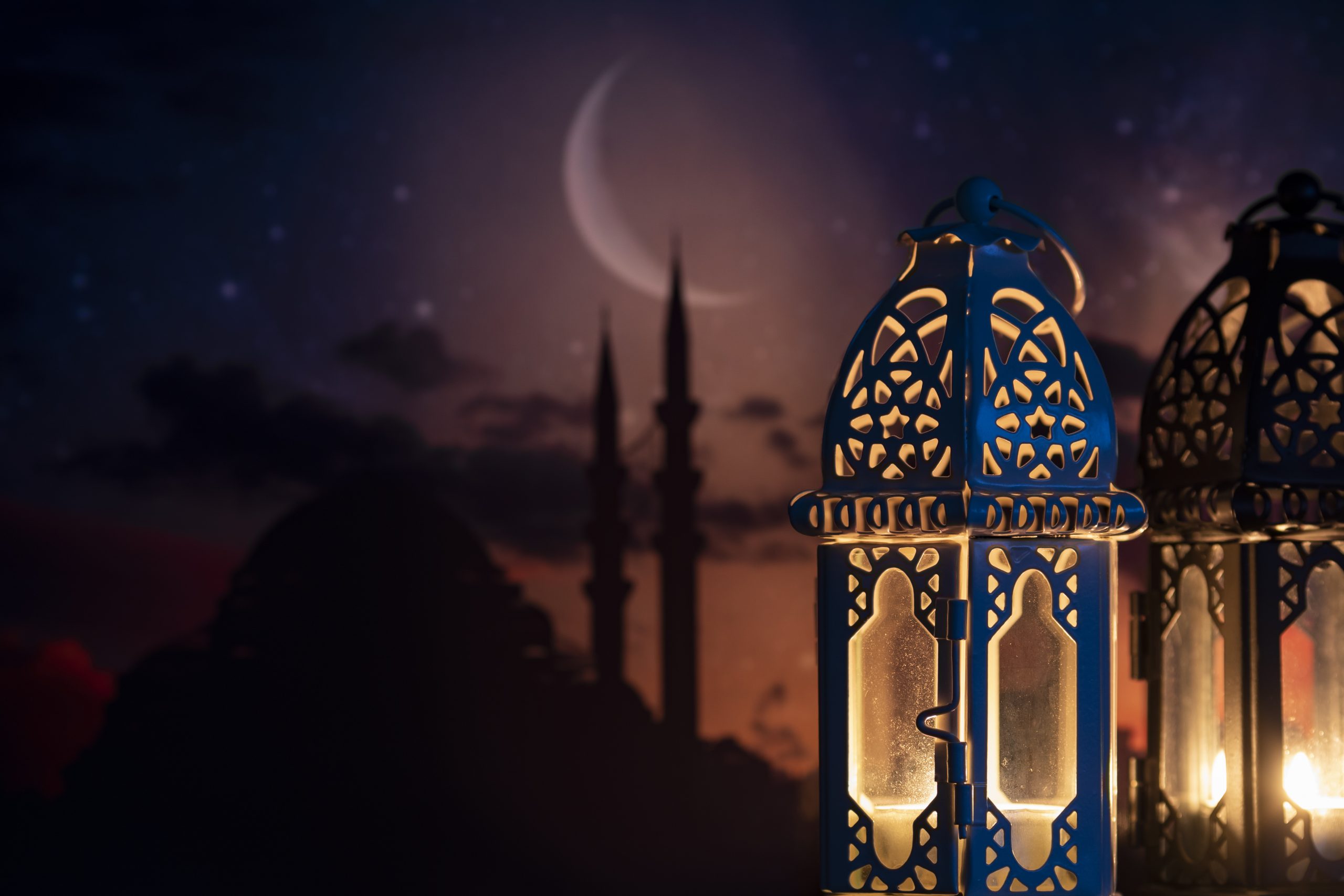
Ramadan is far more than a simple religious observation; it is a profound annual transformation that reshapes the lives of over 1.8 billion Muslims globally. As the ninth month of the Islamic lunar calendar, it marks the period when the Quran—the holy book of Islam—was first revealed to Prophet Muhammad. As stated in the Quran, "The month of Ramadan is that in which was revealed the Quran, a guidance for the people and clear proofs of guidance and criterion" (2:185). This divine connection turns the month into a spiritual sanctuary for reflection, gratitude, and communal unity.
Fasting, from dawn until sunset, is a powerful example of self-discipline. While its primary aim is spiritual purification and piety, modern science has recently begun to shed light on the benefits of fasting, embodying the wisdom behind Ramadan.
Studies onautophagy and cell regeneration show that fasting helps cells eliminate damaged components. By abstaining from food and drink, Muslims not only control their hunger but also provide their bodies with a biological reset and their souls with a period of deep focus, disconnecting from the distractions of material life to connect with their inner selves.
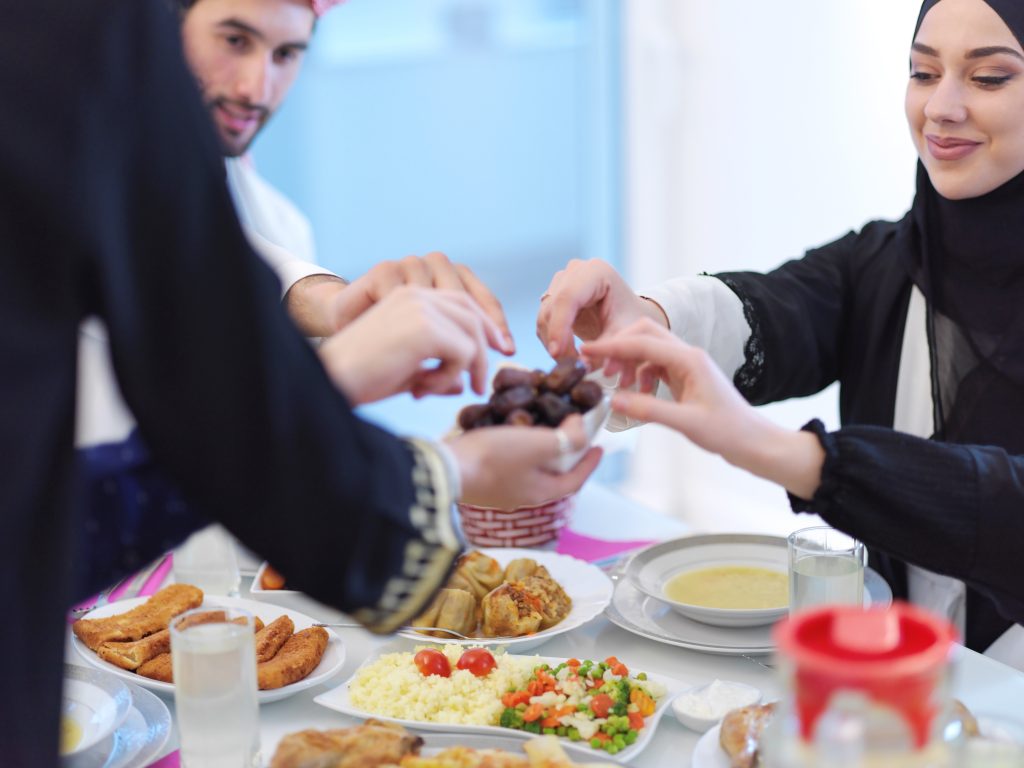
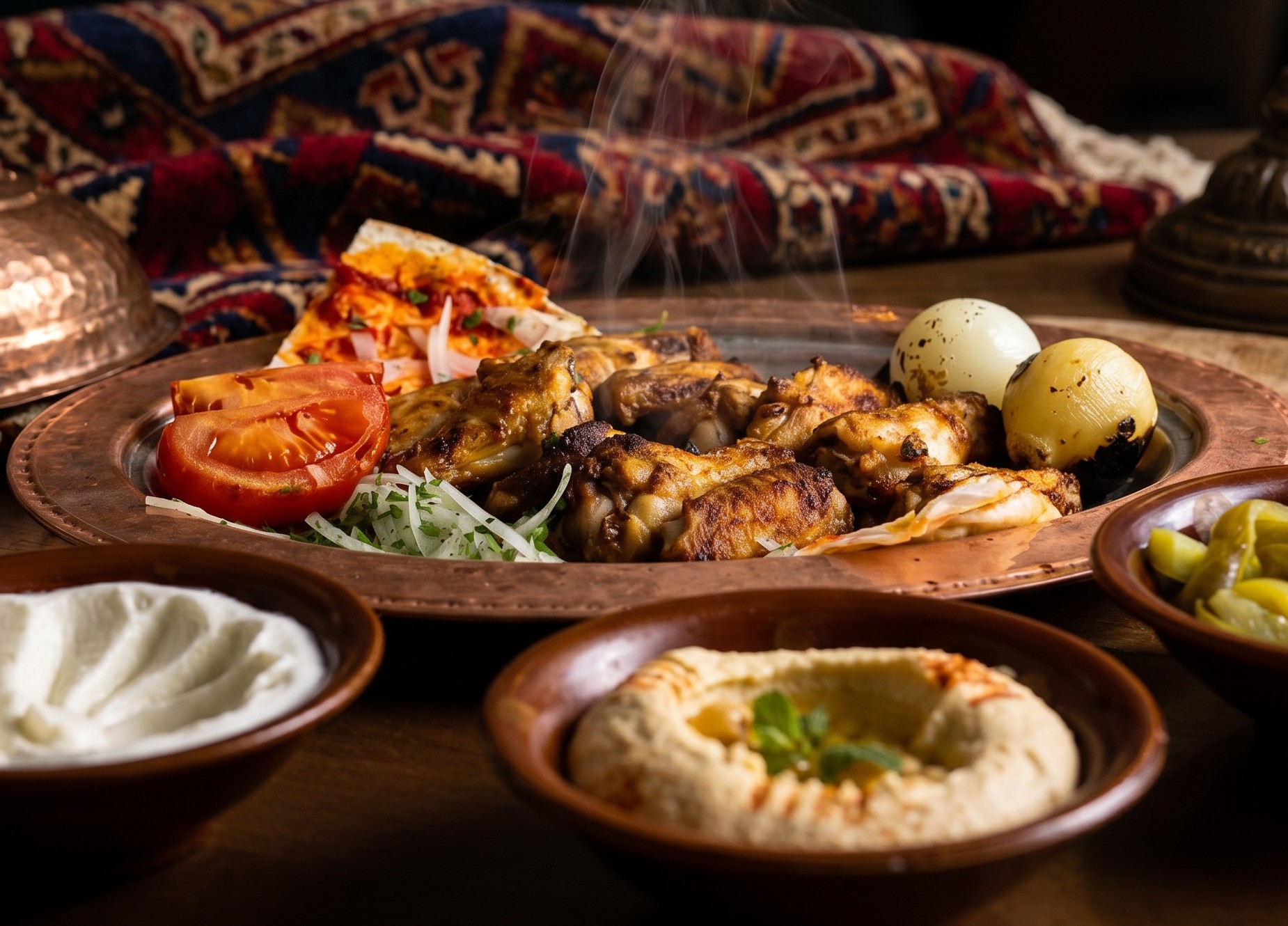
The Iftar table is more than just a meal; it is a vibrant display of cultural identity and religious unity. In many households across Canada, traditional recipes are passed down through generations to preserve the essence of home during the holy month. From aromatic soups to rich main courses, every dish tells a story of heritage.
One of the most beloved dishes in Syrian tradition is Kibbeh Labanieh. As seen in this reel from Levant Restaurant in Mississauga, the creamy yogurt stew and savory kibbeh are a true masterpiece of authentic Levantine flavors, making it a favorite for Iftar gatherings.
The period after Iftar is characterized by a unique social energy that you won't find at any other time of the year. This is the hour of Ramadan desserts, where the air is often scented with orange blossom water, rose syrup, and roasted nuts. Desserts like Qatayef—stuffed pancakes that are only synonymous with this month—and Kunafa are not merely treats; they are social catalysts. They are shared during late-night visits between neighbors and family, bridging gaps and strengthening community ties. This focus on "breaking bread" together fosters a sense of belonging that is central to the Ramadan experience.

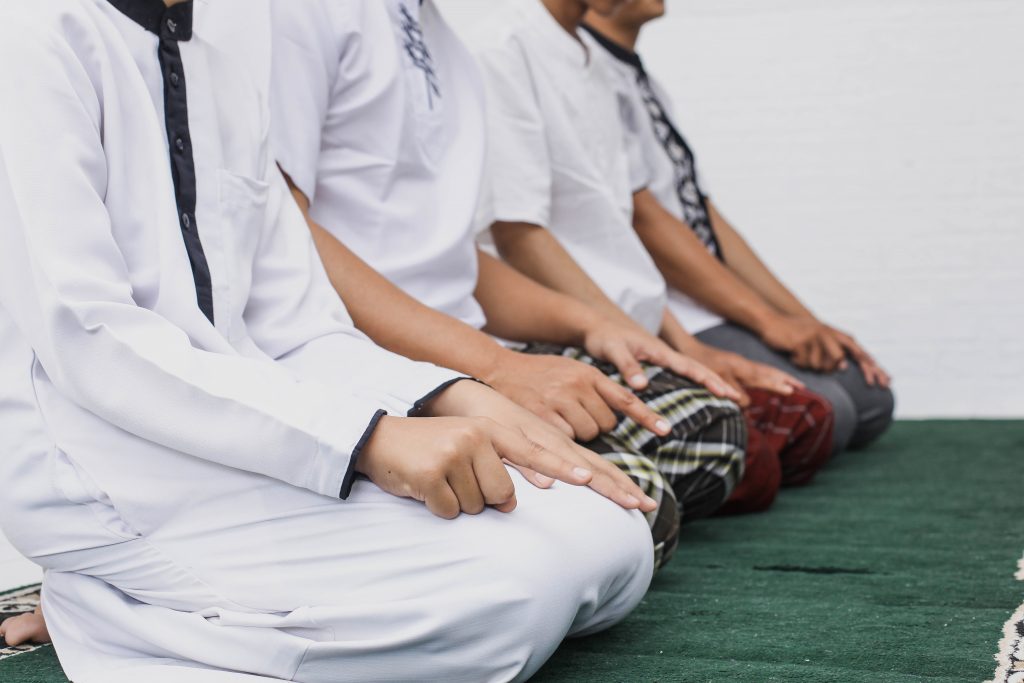
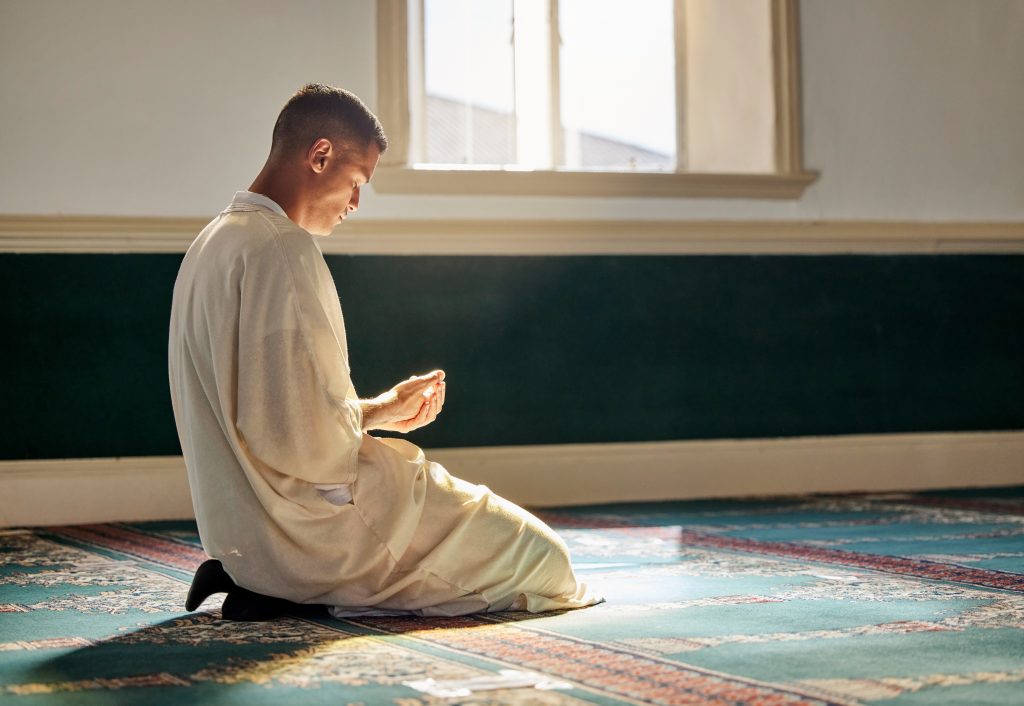
Beyond the daylight fasting, Ramadan nights come alive with a special communal prayer known as Taraweeh. These long, rhythmic prayers are performed in congregation at mosques, where large portions of the Quran are recited each night. For many, Taraweeh is a spiritual climax of the day—a time to stand in peaceful meditation and listen to the melodic chanting of the holy verses. It is not just a religious obligation; it is a social gathering where neighbors and friends meet under the starlit sky, fostering a unique sense of tranquility and collective devotion that defines the nights of the holy month.
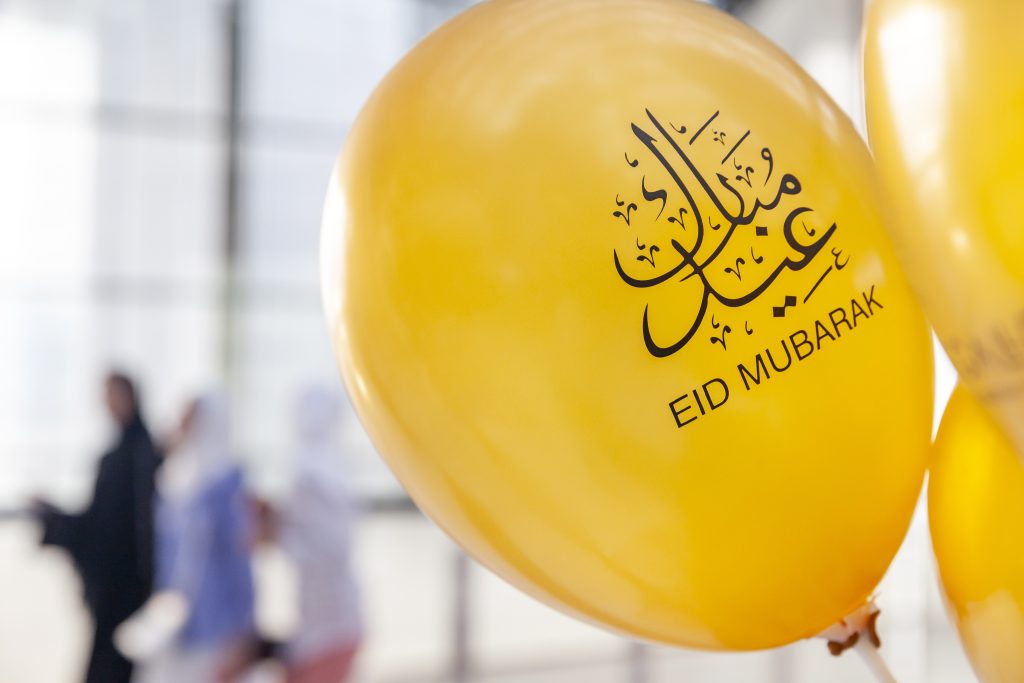
As the month progresses, the intensity of worship increases, but so does the excitement for the upcoming festivities. The conclusion of Ramadan is not marked by sadness, but by a transition into a grand celebration known as Eid al-Fitr. This "Festival of Breaking the Fast" is a day of immense joy, communal prayer, and the giving of Zakat al-Fitr (charity to the poor), ensuring that everyone in the community can celebrate. It is the beautiful finale to a month of sacrifice. To discover the vibrant customs, traditional clothes, and festive prayers that define this holiday, explore our detailed article on The Traditions of Eid al-Fitr.