Do You Need to Say Bismillah B
The Spiritual Dimension of Saying "Bismillah" Saying "Bismillah" before eating is considered one of the most important…

Latest Updates
March 18, 2026
February 3, 2026
Interesting Article
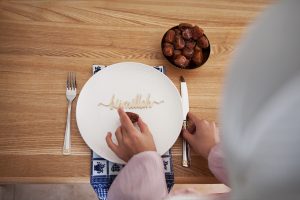
The Spiritual Dimension of Saying "Bismillah" Saying "Bismillah" before eating is considered one of the most important…

What is Eid al-Adha? The Festival of Sacrifice and Devotion While Eid al-Fitr marks the end of…
"Halal Certified" is a label given to food products or restaurants that have been approved by a…
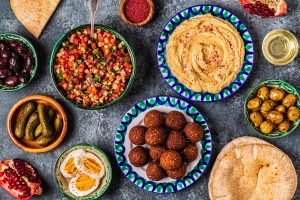
What if your next favorite comfort food came from across the globe—but felt like home? Middle Eastern…
Turkish Restaurants
Afghan Restaurants
Pakistani Restaurants
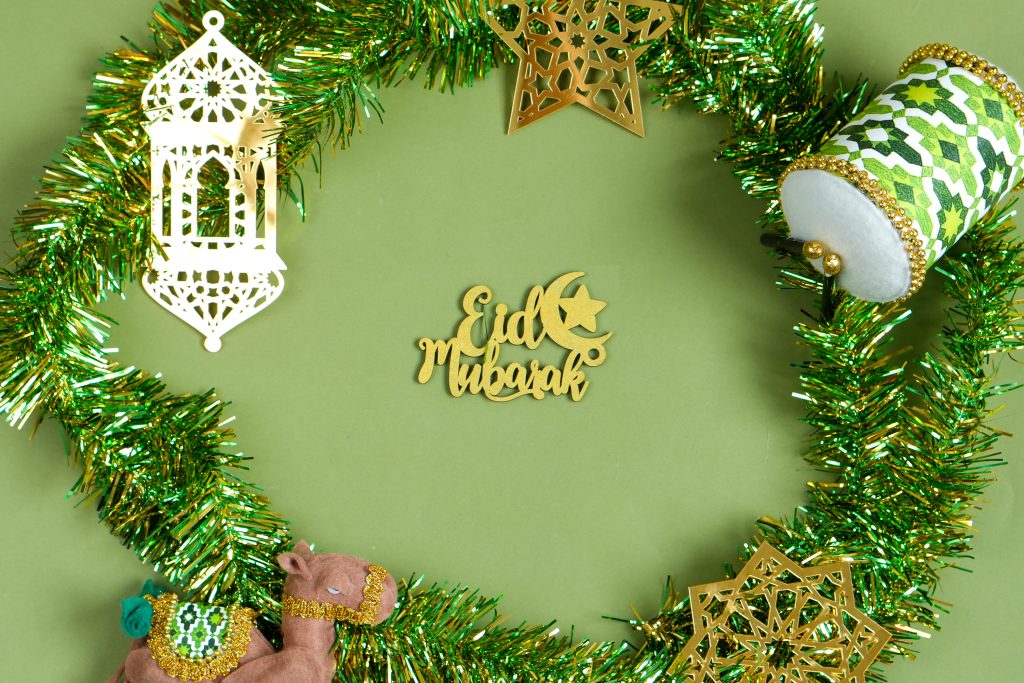
A Celebration of Gratitude, Unity, and Joy
Eid al-Fitr, often referred to as the “Festival of Breaking the Fast,” marks one of the most significant and joyous occasions in the Islamic calendar. This celebration arrives as a beautiful reward for the month-long spiritual journey of Ramadan, where Muslims worldwide have dedicated themselves to fasting, prayer, and self-reflection. It is a time when the solemnity of devotion transitions into a vibrant atmosphere of gratitude, bringing together families and communities to celebrate the completion of their religious obligation with a spirit of renewed faith.
The day of Eid begins with a special congregational prayer known as Salat al-Eid, performed shortly after sunrise. This prayer is not just a ritual but a powerful display of communal unity. Before the prayer starts, Muslims are required to give Zakat al-Fitr, a mandatory act of charity aimed at ensuring that even the less fortunate can join in the festivities. This emphasis on social justice and purification of wealth ensures that the joy of Eid reaches every corner of society, grounding the celebration in the core Islamic values of mercy and compassion.
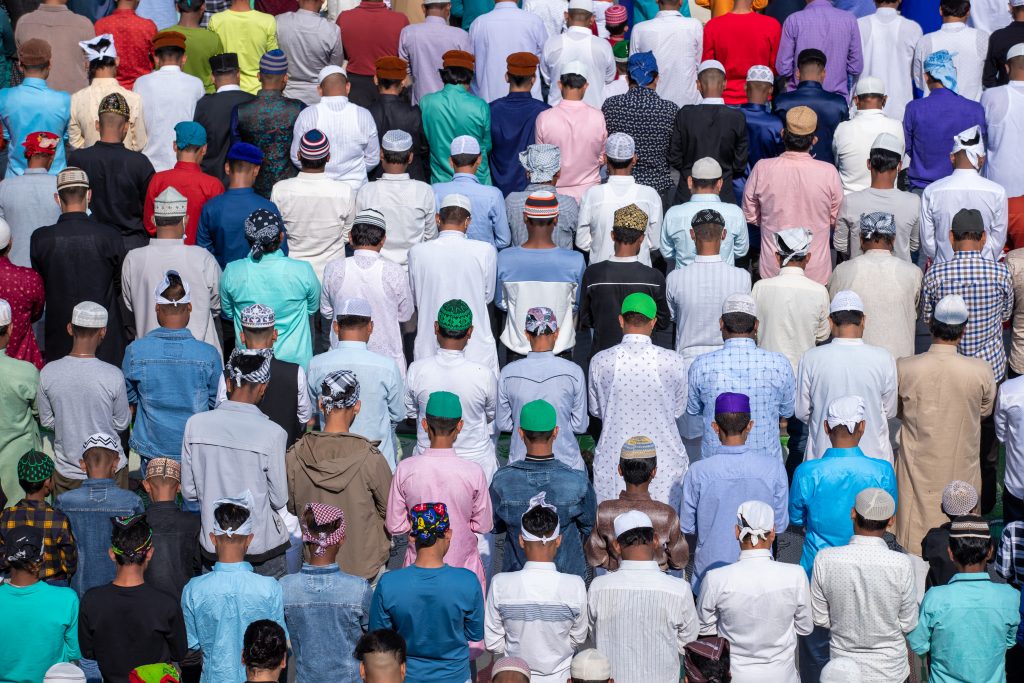
In multicultural hubs like Canada, Eid al-Fitr has become a prominent cultural event that showcases the nation’s diverse Muslim population. In cities like Toronto and Mississauga, the Muslim community and various Islamic organizations organize massive “Eid Festivals” that attract thousands of attendees. From the grand prayers at the Enercare Centre or local stadiums to the vibrant carnivals at Celebration Square, these events are a testament to how tradition adapts to a modern, multicultural landscape. These gatherings feature everything from prayer services to bazaars and family-friendly activities, making Eid in Canada a truly inclusive experience for people of all backgrounds.
While the spiritual essence of Eid is universal, the culinary celebrations are beautifully diverse. The day is often called “Sweet Eid” due to the abundance of traditional treats. In Arab households, you will find the aroma of Maamoul (date-filled cookies), while Turkish families serve exquisite Baklava. The South Asian communities from Pakistan and Afghanistan celebrate with Sheer Khurma, a rich vermicelli pudding made with milk and dates.
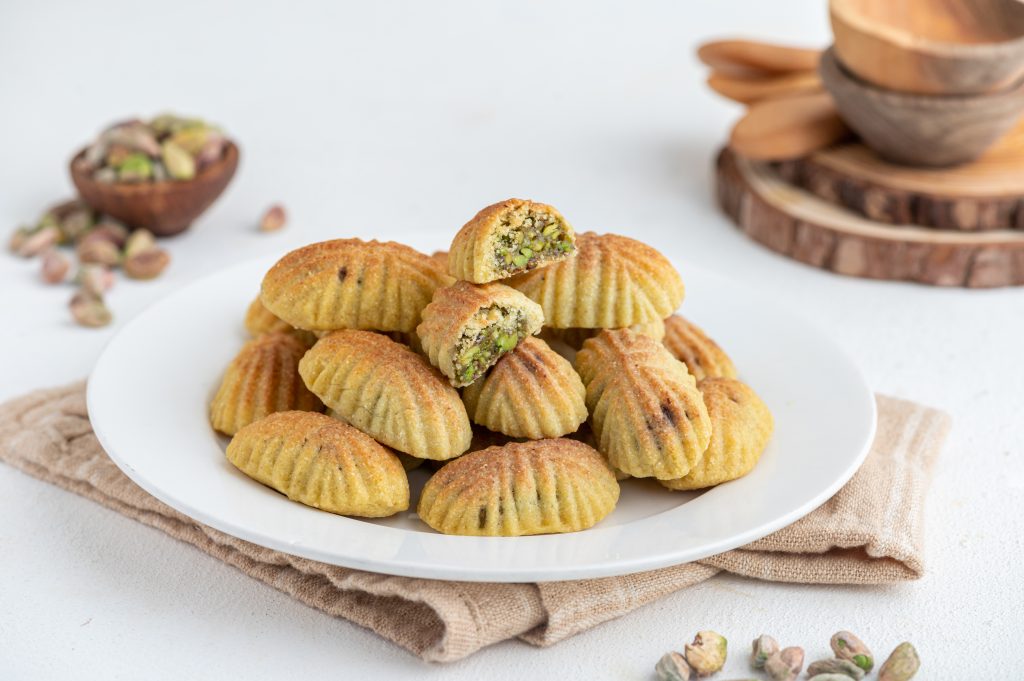
Maamoul is the star of the table in Levant and Arab households. These shortbread cookies are traditionally stuffed with high-quality dates, pistachios, or walnuts. They are often molded into beautiful shapes, symbolizing the sweetness of reward after a month of fasting.
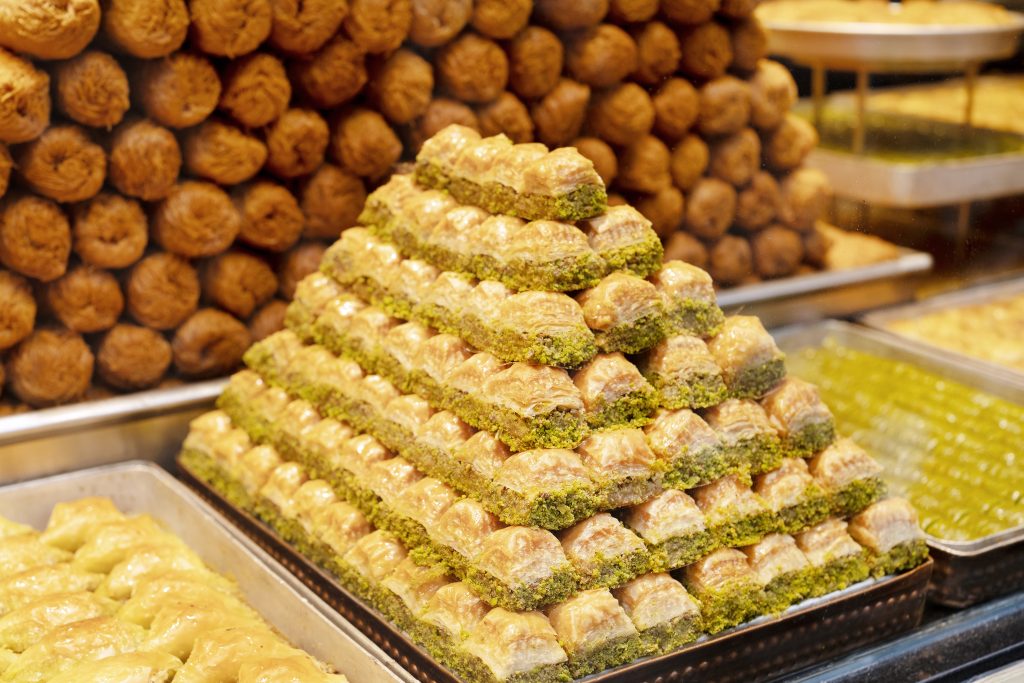
Baklava is an iconic Turkish dessert served during Eid celebrations. It consists of layers of thin filo pastry filled with chopped nuts and sweetened with syrup or honey. In Canada, Turkish bakeries see a surge in demand for this crunchy, golden masterpiece during the holidays.
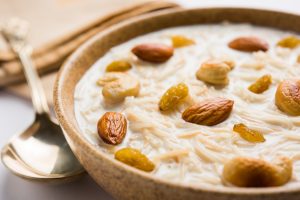
Sheer Khurma is a beloved festive breakfast for Pakistani and Afghan communities. This ‘milk with dates’ pudding is prepared with fine vermicelli, whole milk, sugar, and dry fruits. It represents the warmth and hospitality of South Asian Eid traditions.
These traditional dishes, shared among neighbors of all ethnicities, transform the Eid table into a global map of flavors, symbolizing the harmony and hospitality that define Islamic culture.
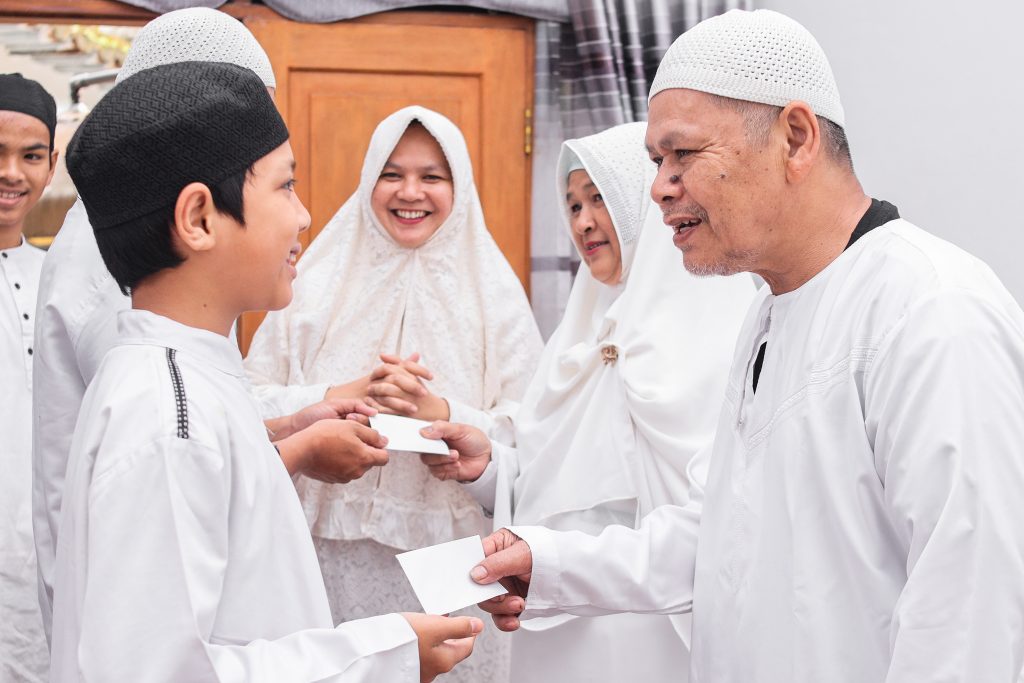
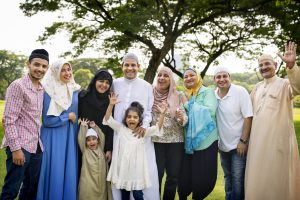
At its heart, Eid al-Fitr is a celebration for children and families. It is a day where generations meet, often dressed in their finest new clothes, to exchange gifts and “Eidi” (small amounts of money given to children). The atmosphere is filled with the laughter of children playing and the warmth of elders sharing stories. Whether it is through organized community games in Mississauga or private family gatherings in Toronto, the focus remains on strengthening family ties and creating lasting memories. This intergenerational connection ensures that the values of faith, kindness, and joy are passed down, making every Eid a milestone of personal and communal growth.
📍 Nathan Phillips Square | May 16–18, 2025 | @halalbitesfestival As a halal foodie in the GTA, few things excite me more than seeing our community represented not only in the food we eat but in how we come together to celebrate it. The Toronto Halal Bites Festival 2025 was exactly that—a vibrant, three-day celebration […]