How Different Cultures Interpr
Halal isn’t just a rule—it’s a multi-culture flavors. In Canada—one of the world’s most diverse nations—halal food…

Latest Updates

Guides & Resources
Halal isn’t just a rule—it’s a multi-culture flavors. In Canada—one of the world’s most diverse nations—halal food…
Muslims in Canada often wonder whether kosher food can be considered halal. While both traditions share similarities…
Beef gelatin is one of the most common ingredients in the global food industry, has the ability…

What is Ramadan? A Journey Through Faith, Food, and Self-Discovery Ramadan is far more than a simple…
April 15, 2026 | Last Update September 4, 2026 11:23 pm
For many Muslim consumers, navigating the snack aisle or the pharmacy can feel like a mission in decoding complex chemical labels. Among the most frequent sources of confusion is gelatin. This versatile ingredient is tucked away in everything from gummy bears to yogurt and even life-saving medications. Because gelatin is an animal-derived product, its permissibility (halal status) is not a simple "yes" or "no." Understanding the nuances of its origin and processing is essential for anyone looking to maintain a diet that aligns with Islamic dietary laws.
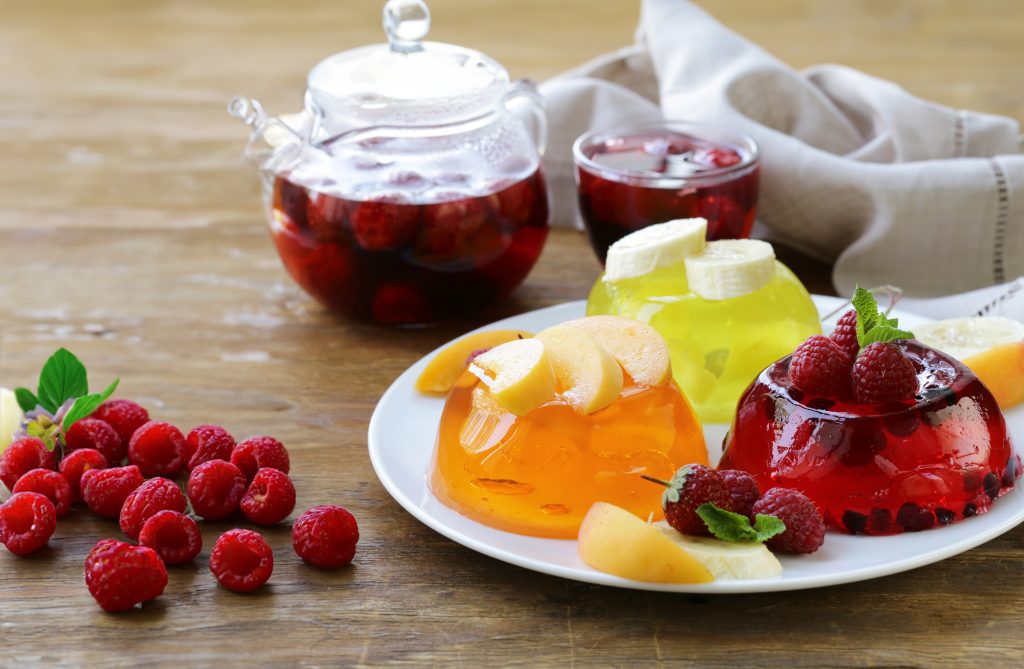
Gelatin is a colorless, flavorless protein derived from collagen, which is found in the skin, bones, and connective tissues of animals. When these tissues are boiled, the collagen breaks down into a substance that acts as a powerful gelling agent, stabilizer, and thickener. Beyond the food industry—where it gives marshmallows their fluff and jelly its wobble—gelatin is widely used in the pharmaceutical industry to create soft-shell capsules for vitamins and medications.
Understanding how to read a food label is the most practical skill for a consumer. While many brands use gelatin, they aren't always transparent about its origins. Here is the general rule of thumb when scanning packaging:
| Type | Source | Halal Status | Notes |
|---|---|---|---|
| Gelatin | Usually Pork (Porcine) | Haram | Default source in many Western countries unless specified otherwise. |
| Beef Gelatin | Cattle (Bovine) | Doubtful (Mashbooh) | Permissible animal, but the slaughter method is often unverified. |
| Halal Beef Gelatin | Cattle (Bovine) | Halal | Derived from cattle slaughtered according to Islamic Law; usually certified. |
Before purchasing gelatin-based products, keep the following checklist in mind:
The question of whether gelatin is halal does not have a universal answer; rather, it requires a case-by-case evaluation of the source and the processing standards. While the food industry has become more sensitive to religious dietary needs, the burden of verification often falls on the consumer. By staying informed, reading labels meticulously, and looking for trusted certification, you can make food choices that are both safe and spiritually sound.


Explore Ridgeway Plaza in Mississauga, one of the GTA's busiest halal food destinations, with restaurants, desserts, groceries and late-night dining.
Learn what halal food means, the basic Islamic dietary rules, common ingredients to watch for and how halal applies to meat, restaurants and daily eating.

Learn how to start a halal food business in Canada, from planning and permits to halal sourcing, certification, operations, marketing and growth.
Middle Eastern Restaurants
Turkish Restaurants
Afghan Restaurants