Is Cheese Always Halal? Ingredients That Can Make a Difference
Cheese finds its way into almost every kind of meal: a slice of cheddar in a sandwich,…

Latest Updates



October 1, 2026

Guides & Resources
Cheese finds its way into almost every kind of meal: a slice of cheddar in a sandwich,…
Spices are the heartbeat of Halal cuisine. They do more than just add color; they tell the…

Canada’s halal food industry is often measured by the number of restaurants, products and grocery aisles carrying…
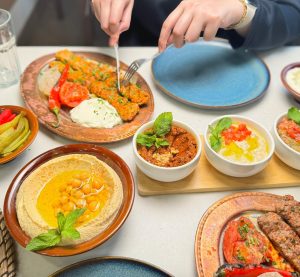
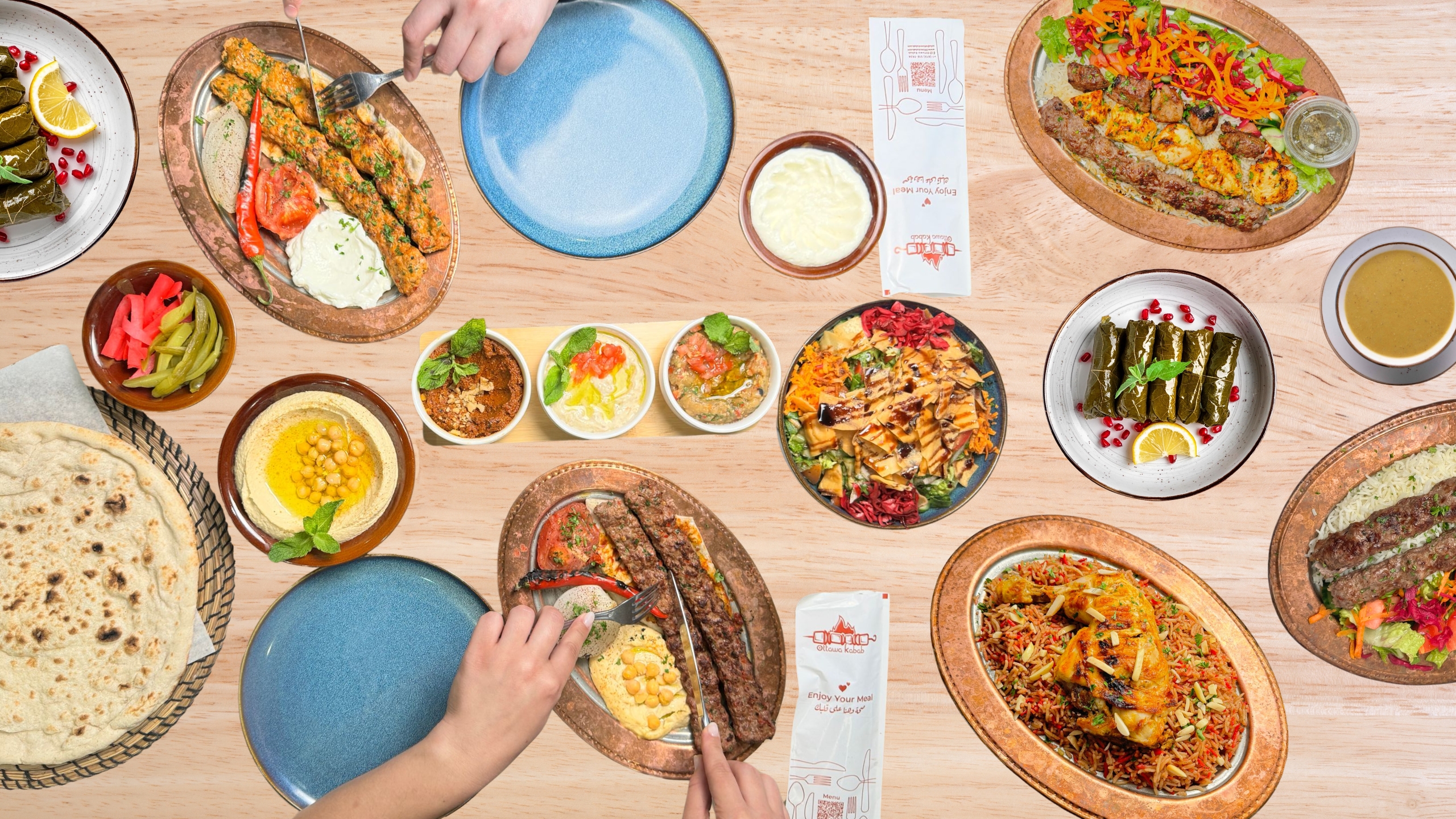
Walking through Ottawa Kabab's doors, I immediately noticed an inviting atmosphere built around authentic hospitality and fresh…
Learn what Eid al-Adha means, the role of Qurbani, key Islamic traditions and how Muslim communities in Canada celebrate and give during the holiday.
Published January 10, 2026 • Updated September 10, 2026
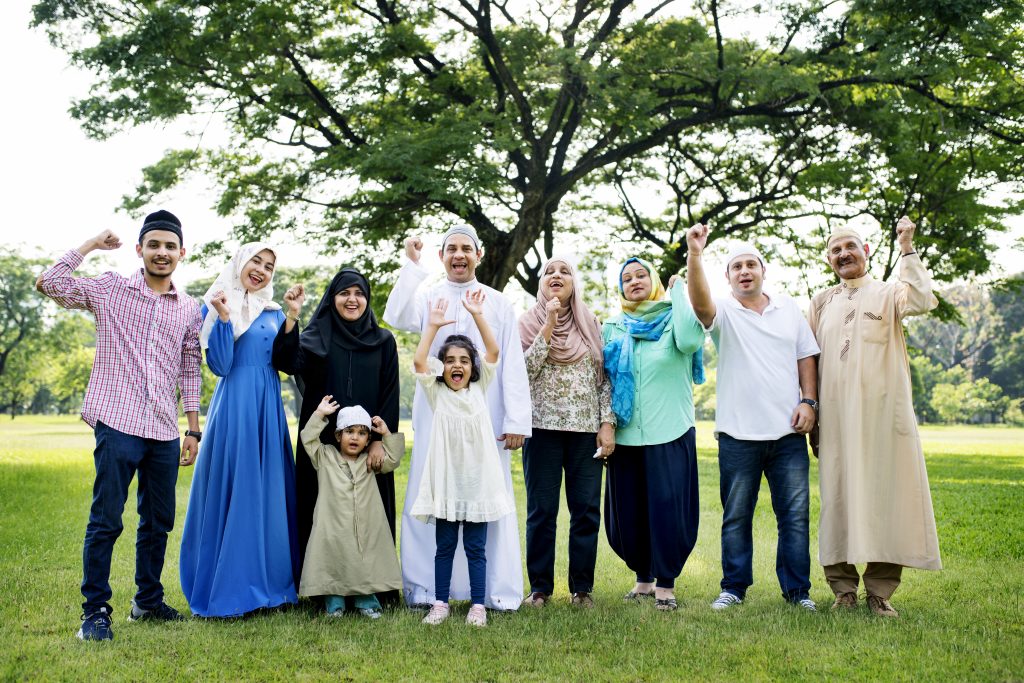
While Eid al-Fitr marks the end of a month of fasting, Eid al-Adha, often called the "Greater Eid," represents the ultimate act of submission to God. It honors the devotion of Prophet Ibrahim (Abraham) and coincides with the completion of the Hajj pilgrimage. Unlike the celebratory feast of Fitr, Adha is deeply rooted in the concept of Qurbani (sacrifice) and the redistribution of wealth to the less fortunate.
It is common for those outside the faith to confuse the two, but for Muslims, the distinction is clear. Eid al-Fitr is the "Festival of Breaking the Fast," focused on communal prayers and Zakat al-Fitr (charity in the form of food). In contrast, Eid al-Adha is the "Festival of Sacrifice." While both involve prayer and family gatherings, Adha’s unique pillar is the Udhiyah (the sacrificial animal), symbolizing gratitude and the willingness to give up something precious for the sake of the Divine.

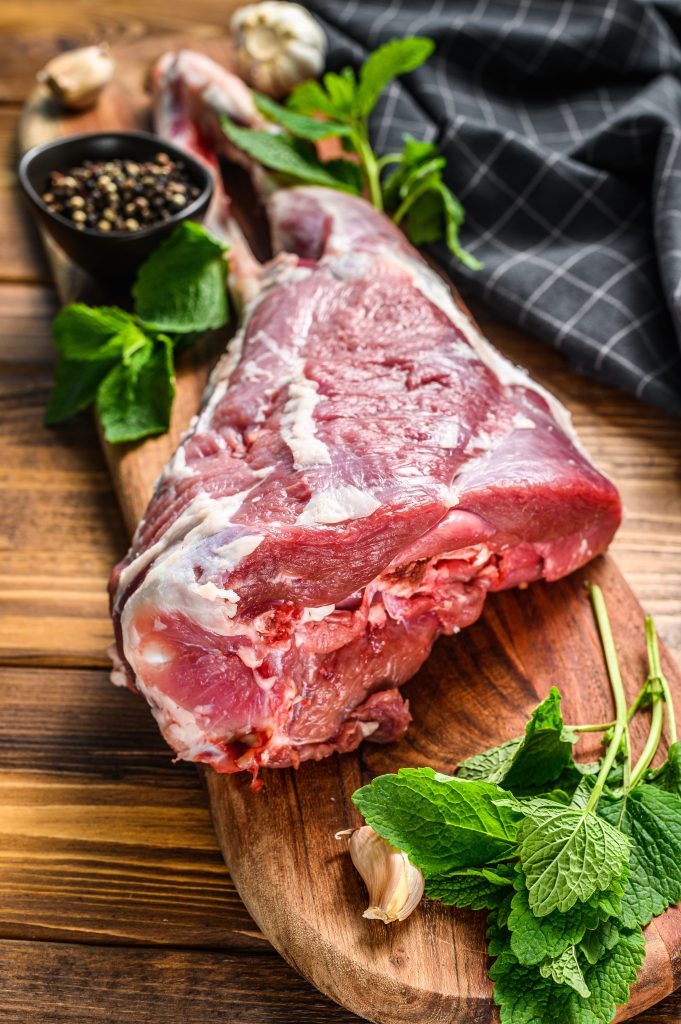
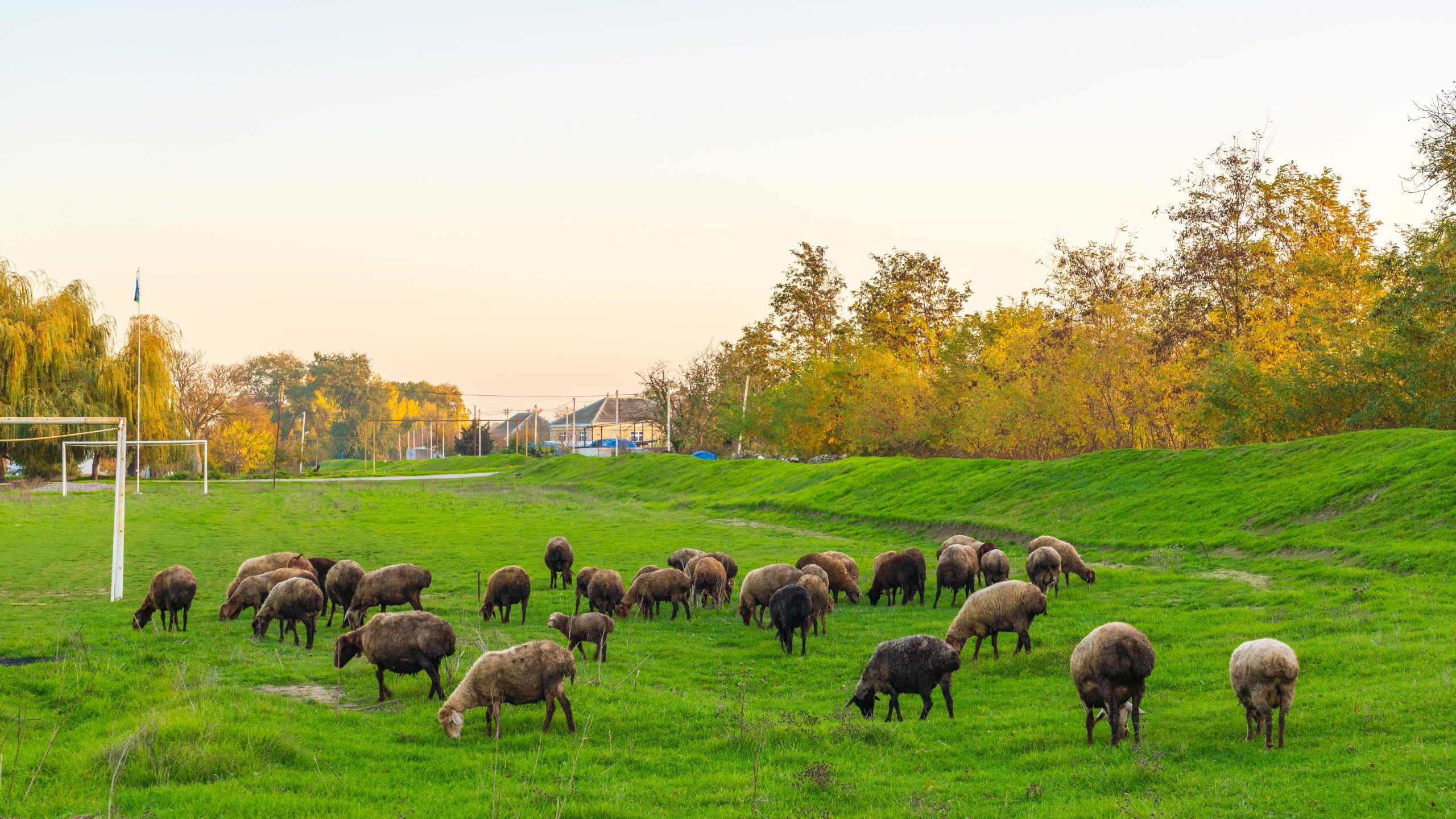
The hallmark of this Eid is the slaughtering of a sheep, goat, or cow. This is not merely a ritual; it is a system of social welfare. According to Islamic tradition, the meat is divided into three parts: one for the family, one for relatives/friends, and one for the poor.
In a modern context, many Muslims, especially in the West, choose to perform this through charitable donations. Instead of slaughtering the animal themselves, they pay a set amount to organizations that distribute meat to famine-stricken or impoverished areas globally.
For Muslims in Canada, the process is governed by strict food safety and animal welfare regulations. You cannot perform a sacrifice in your backyard. Instead, you have two main options:
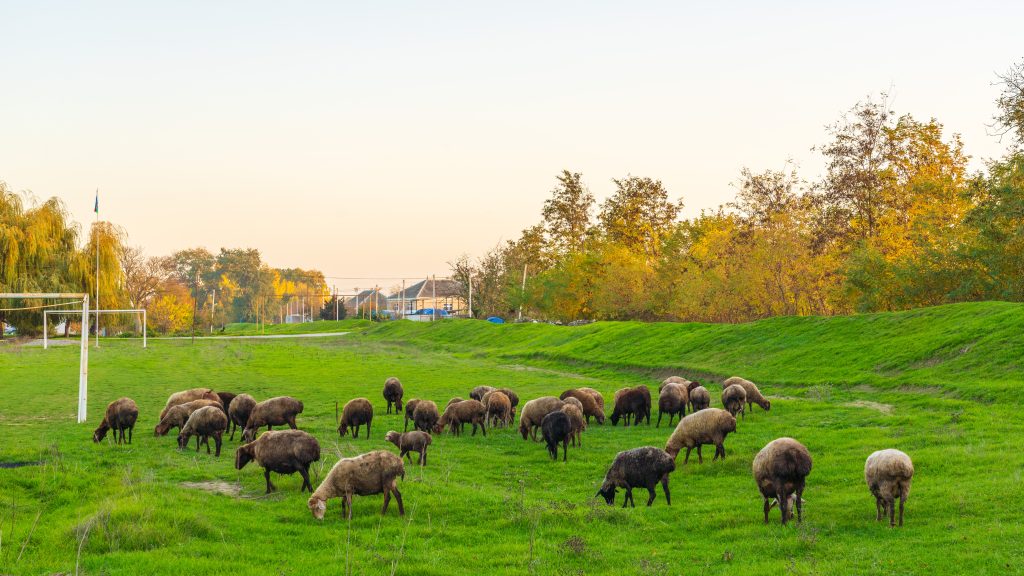
Many Muslims in Ontario, Alberta, and Quebec prefer visiting local government-inspected farms to select their sacrifice. This tradition allows families, especially children, to understand the essence of Udhiyah while supporting local Canadian farmers. Ensure you book your slot early, as certified halal farms near the GTA and Calgary fill up weeks before Eid.
For those living in urban centers like Toronto or Vancouver, local halal butchers offer a convenient 'Order & Pick-up' service. You can pre-order your lamb, goat, or beef share, and the butcher handles the slaughter according to Shariah standards on the days of Eid. This is a great way to ensure fresh meat for your family gatherings.
Many Canadian Muslims choose to perform their Qurbani through registered charities like Islamic Relief Canada or Penny Appeal Canada. These organizations distribute meat to those in need in over 30 countries. This option is highly organized, tax-deductible in Canada, and ensures your sacrifice reaches the most vulnerable worldwide.
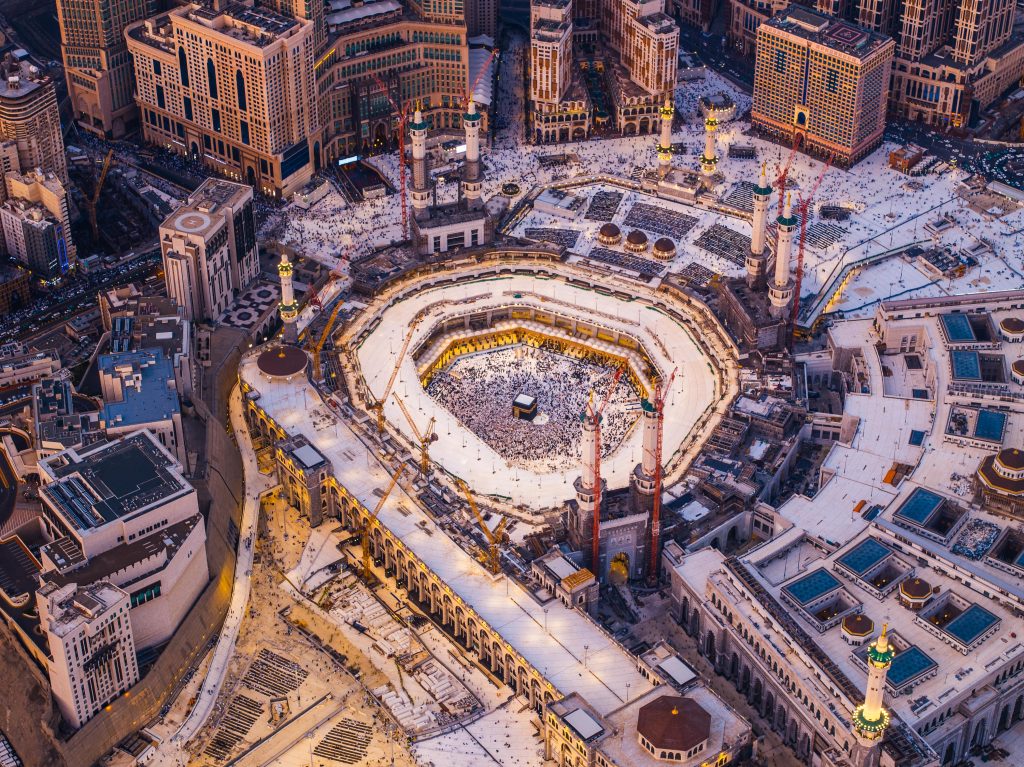
In Saudi Arabia, Eid al-Adha is experienced on a massive scale as it marks the climax of the Hajj. The Kingdom utilizes high-tech solutions like the Adahi Project, which manages millions of sacrifices efficiently, ensuring the meat is frozen and shipped to needy people in over 25 countries. This is a perfect example of how ancient tradition meets modern logistics.