Toronto Halal Bites Festival 2025: A Foodie’s Deep Dive into Culture and Community
Archive: This article covers the 2025 Toronto Halal Bites Festival. The dates have passed; the original report…

Latest Updates

October 1, 2026

Guides & Resources

Archive: This article covers the 2025 Toronto Halal Bites Festival. The dates have passed; the original report…

For many Muslims, the phrase “halal mortgage” sounds contradictory. A conventional mortgage is a loan secured against…

View this post on Instagram A post shared by Dr. Elzahraa Hassane | Faith-Based Mental Healh Educator…
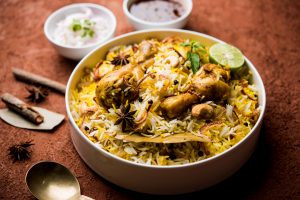
Rice is one of the most common ingredients on Muslim tables; it's not just food, but a…
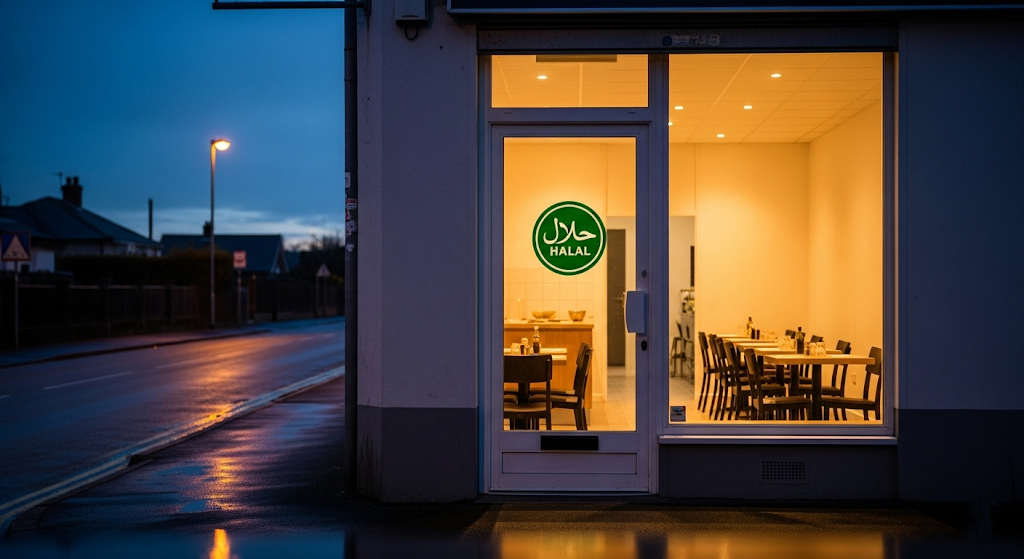
HMA Canada’s halal sticker warning has sparked a wider public debate over restaurant trust, consumer questions, certification costs, hand slaughter, alcohol, verification apps and who should make halal claims easier to check.
Published August 30, 2026 • Updated October 5, 2026
The Halal Monitoring Authority Canada is urging consumers to look beyond halal stickers displayed on restaurant doors, saying a label or logo alone does not establish that a restaurant is independently monitored or certified.
In a recent social media post, HMA said a halal sticker, label or logo may indicate that halal food is being offered, but consumers who have doubts should verify the claim before relying on it.
“A halal label is a claim. Verification gives you confidence.”
Halal Monitoring Authority Canada
HMA recommended that if a restaurant says it buys meat from a halal-certified supplier, customers can contact that supplier directly and provide the restaurant’s name and location to confirm the relationship. If a restaurant claims to be HMA certified, consumers can check HMA’s public certified restaurant list.
HMA’s post focused on verification rather than suspicion. The organization told diners that when a restaurant says it uses meat from a halal-certified supplier, customers can ask the supplier to confirm the specific restaurant and location. If HMA certification is claimed, HMA says diners should check the restaurant against its own current certified list.
For HMA, the key distinction is whether the restaurant itself appears in its certification system. A supplier certificate, a package label and a restaurant certificate are not interchangeable, and HMA’s warning was aimed at consumers who may assume that any halal logo on a storefront represents HMA oversight.
That point became especially important in the comments, where several people appeared to use the words “halal,” “certified halal meat” and “certified restaurant” as though they meant the same thing. HMA’s post was effectively asking diners to identify who is actually standing behind the claim.
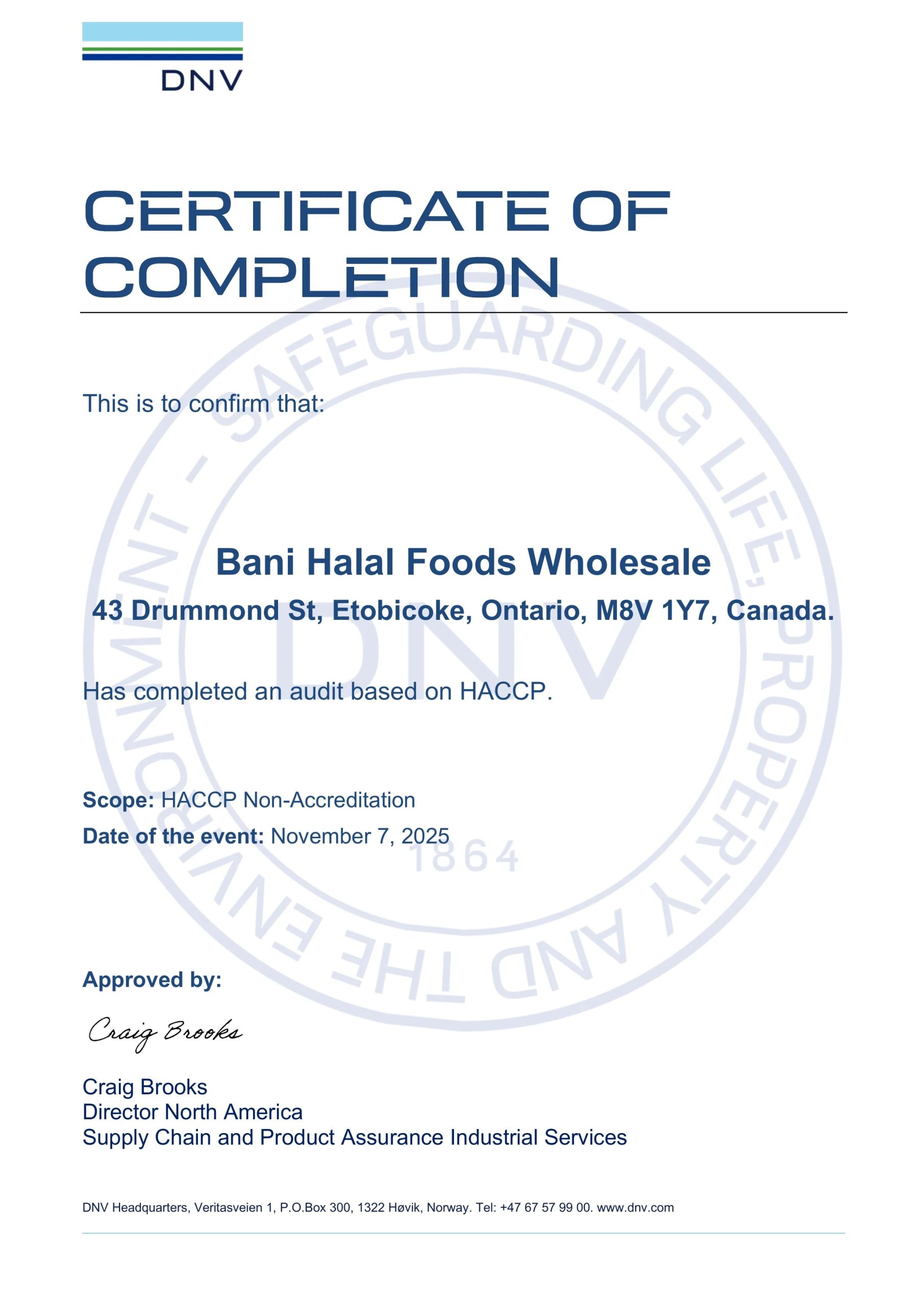
One commenter wrote that people can become angry when customers ask halal questions. HMA replied that diners should not feel discouraged: customers have a right to ask for transparency and to understand whether the food being sold to them is authentically halal.
Other commenters described leaving restaurants when staff could not identify the meat supplier or explain the establishment’s halal policy. For them, uncertainty at the counter was enough reason not to rely on a window sticker.
Another commenter argued that if a restaurant is clearly Muslim-run, displays a halal sign and does not sell alcohol, pushing for further proof can feel inappropriate. That position reflects a very different standard: trust in the owner’s faith, reputation and accountability to the community rather than a third-party certificate.
The comments show that the real disagreement is not simply halal versus non-halal. It is about who consumers are prepared to trust: the restaurant owner, the supplier, a certification organization, or some combination of all three.
One commenter argued that many restaurants either do not know which halal certification agencies are legitimate or cannot justify the expense of formal certification, so they fall back on generic halal signs. For context, HMA currently lists a $200 application fee and an average monthly certification cost of about $250 for restaurants.
The discussion was not simply anti-certification. Commenters were questioning whether the current system is accessible enough for small restaurants and understandable enough for diners. If certification is meant to build confidence, several people argued that the path to verification should also be simple, affordable and easy to explain.
The comment thread also became a place for direct questions to HMA. One person asked whether HMA-certified chicken is always hand slaughtered. HMA answered yes, stating that its certified meat and poultry are hand slaughtered by trained Muslim slaughterers and that it does not approve machine slaughter.
Another commenter asked whether a restaurant owned by Muslims could still be trusted if it claims its food is halal but also sells alcohol. Others raised mixed kitchens, pork and non-halal menu items. Rather than resolving those religious questions, the thread showed how differently diners define what a “fully halal restaurant” should mean.
Several commenters were less interested in debating theology and more frustrated by the user experience. One person specifically called for an HMA app and criticized the current website as slow and difficult to search. Others asked why a simple, fast directory of verified outlets is still not easier to use. Commenters said a practical tool should quickly show:
Some commenters argued that certification organizations should carry more of the burden. If agencies are asking consumers to verify claims, they said those same agencies should make verification immediate, publish clearer outlet lists and work toward more recognizable industry standards. One commenter summarized the frustration bluntly: if certification bodies created the system, they should also help consumers navigate it.
HMA’s warning ended up opening a much broader conversation than the sticker itself. The comments moved quickly from restaurant transparency to community trust, certification costs, hand slaughter, alcohol, technology and the responsibilities of certification organizations.
The bigger question raised by the comments is who should make halal verification easy: the diner, the restaurant, the supplier, the certifier — or all of them together?
For readers who want the deeper explanation of the differences between a restaurant’s own halal claim, certified meat, restaurant-level certification and ongoing monitoring, The Halal Food has kept that analysis in a separate evergreen guide. This news report is focused on HMA’s warning and the public debate it triggered.