Can Muslims Eat Kosher? Is Kos
Yes, many Muslim scholars permit Muslims to eat kosher meat, especially when halal meat is unavailable—but kosher…

Latest Updates
September 18, 2026

September 15, 2026

September 15, 2026
September 11, 2026
Guides & Resources
Yes, many Muslim scholars permit Muslims to eat kosher meat, especially when halal meat is unavailable—but kosher…

The Blueprint for Success: Launching Your Halal Food Business in Canada The Halal food sector in Canada…

What is Eid al-Adha? The Festival of Sacrifice and Devotion While Eid al-Fitr marks the end of…

Eid al-Fitr: The Joyous Reward After Ramadan A Celebration of Gratitude, Unity, and JoyEid al-Fitr, often referred…
A Middle Eastern Legend bringing authentic flavors to your table
Halal meat in Canada can be pricey due to certification, strict slaughter rules, and smaller supply chains, but offers consumers trust.
Published February 4, 2026 • Updated September 10, 2026

Halal meat has become a staple for Muslim communities in Canada, offering assurance that the food they consume complies with Islamic dietary laws. Yet, many consumers notice that Halal-certified products are often priced higher than conventional meat found in mainstream supermarkets. Understanding the reasons behind this price difference helps consumers appreciate the added value of Halal meat, both in terms of quality and religious compliance.
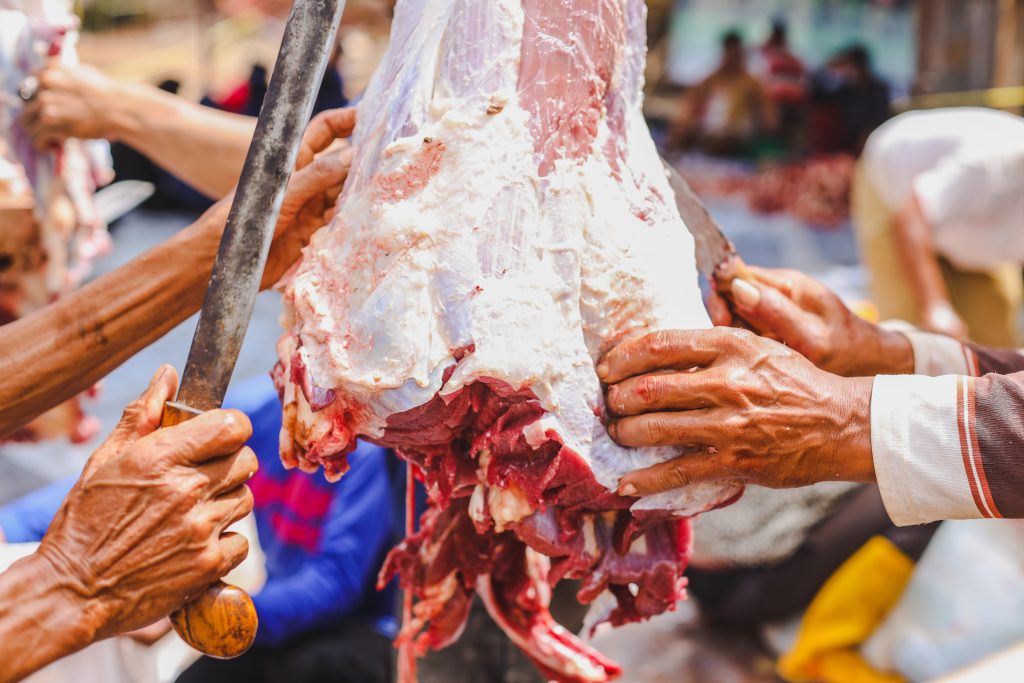
One of the primary reasons Halal meat costs more is the strict adherence to Islamic slaughtering practices. Animals must be healthy at the time of slaughter, and the process must be carried out by a trained Muslim slaughterer who invokes the name of Allah. This requires additional labor, specialized training, and oversight compared to conventional methods. The slower, more careful process ensures compliance but also increases operational costs.
Halal certification is not a one-time label—it involves continuous monitoring and auditing. Certifying bodies in Canada, such as the Halal Monitoring Authority (HMA), charge fees for inspections, documentation, and ongoing compliance checks. These costs are passed down to producers and, ultimately, to consumers. Unlike generic meat, Halal products must maintain a chain of custody that guarantees no cross-contamination with non-Halal items.


Another factor is the need to separate Halal meat from non-Halal products during processing, packaging, and distribution. Facilities often dedicate specific equipment, storage areas, and transportation methods to maintain purity. This segregation requires additional investment in infrastructure and logistics, which raises the overall price of Halal meat compared to conventional options.
| Aspect | Halal Meat | Conventional Meat |
|---|---|---|
| Slaughter Method | Manual, with prayer and strict compliance | Automated, industrial processes |
| Certification | Requires Halal authority oversight & fees | No religious certification needed |
| Segregation | Separate equipment & storage to avoid mixing | Shared facilities, no segregation required |
| Scale of Production | Smaller, niche market | Large-scale, mass production |
| Price Range in Canada | Higher (e.g., Zabiha Halal, Sargent Farms) | Lower (e.g., Walmart generic meat) |
| Consumer Value | Religious compliance, humane practices | Affordable, widely available |
Halal meat producers often operate on a smaller scale compared to mainstream suppliers. While large chains like Walmart can leverage economies of scale to keep prices low, Halal brands such as Zabiha Halal or Sargent Farms cater to niche markets with limited volume. Smaller production runs mean higher per-unit costs, and importing specialty cuts or certified products from overseas adds further expense.
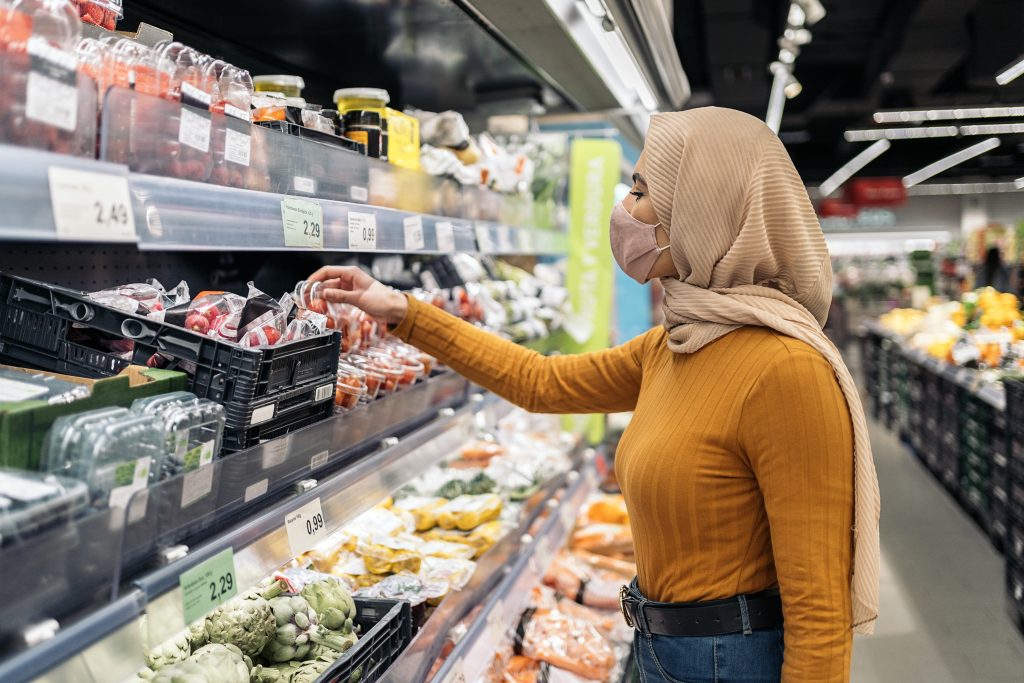
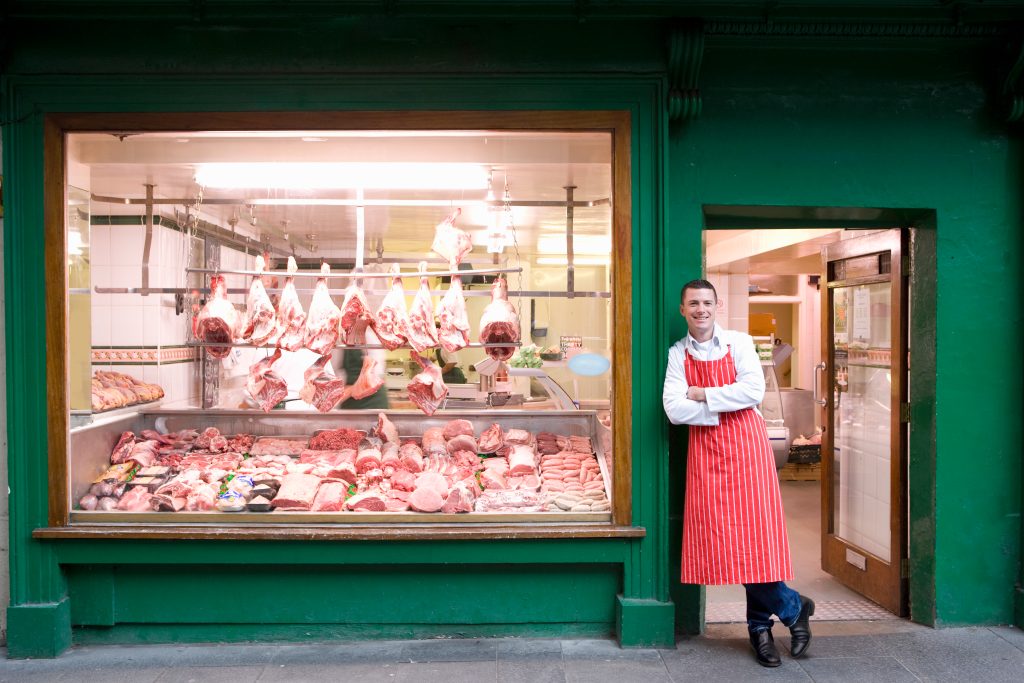
Local Halal butchers, grocery stores, and halal restaurants also face unique challenges. Many source their meat from wholesalers like A1 Cash & Carry, where bulk purchasing helps reduce costs but still remains higher than conventional supply chains. These small businesses must balance affordability with authenticity, ensuring that customers receive genuine Halal products while covering the added expenses of certification and segregation.