Ridgeway Plaza: Complete Missi
Ridgeway Plaza is one of Mississauga’s best-known food and community destinations. Located in west Mississauga, it includes…

Latest Updates
September 18, 2026

September 15, 2026
September 15, 2026

September 11, 2026
Guides & Resources

Ridgeway Plaza is one of Mississauga’s best-known food and community destinations. Located in west Mississauga, it includes…

“One wrong ingredient — and you lose trust.”Halal isn’t just a label. It’s your customer’s confidence Halal…

In the heart of Edmonton’s north side, Mr. Halal Burger has become more than a restaurant. It’s…
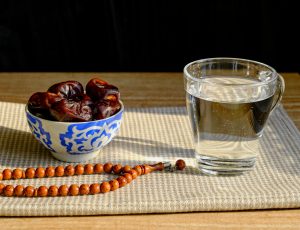
Dates as a Religious Symbol and Prophetic Tradition In Islam, dates are not merely a fruit, but…
A Middle Eastern Legend bringing authentic flavors to your table
Explore why Muslims avoid pork, how the rule shapes food culture, ingredient choices and halal dining, and how Muslim consumers navigate alternatives in Canada.
Published February 4, 2026 • Updated September 4, 2026

Muslims' abstention from eating pork stems from a clear religious basis in the Quran, where the prohibition of pork is explicitly stated. This prohibition is not merely a dietary rule, but rather part of a spiritual system aimed at promoting purity, discipline, and commitment. For Muslims, adhering to this ruling is an expression of faith and obedience to God's commands, making abstaining from pork a constant part of daily life.
Over time, abstaining from pork has become part of the culinary identity of Muslims worldwide, even in non-Muslim countries like Canada. This cultural practice is evident in families, events, and restaurants, and is considered a fundamental element of self-definition and belonging. Many Muslims in Canada are careful to choose restaurants that offer halal alternatives, further enhancing the presence of Islamic culture in the Canadian food scene.

The explicit and clear prohibition in the Quran against pork is a matter of faith.
Food traditions passed down through generations reinforce Islamic identity.
Some Muslims and non-Muslims consider pork unhealthy or inappropriate for ethical reasons.
The availability of halal options makes it easier and more widespread to avoid pork.

Canadian organizations—from schools to hospitals—are becoming more aware of the dietary needs of Muslims. They are therefore offering halal or vegan options as alternatives to pork, acknowledging this as a form of cultural diversity. This adaptation reflects the integration of Muslims in Canada and demonstrates how the community's use of food has become part of the conversation about inclusivity and respect.
Interestingly, some non-Muslims in Canada are choosing to abstain from beef or other dairy products. They have remained unhealthy due to the pilgrimage and have always expected to avoid dairy products altogether. This intersection of pilgrimage and health makes the issue of abstaining from pork more encompassing than just a religious ruling.
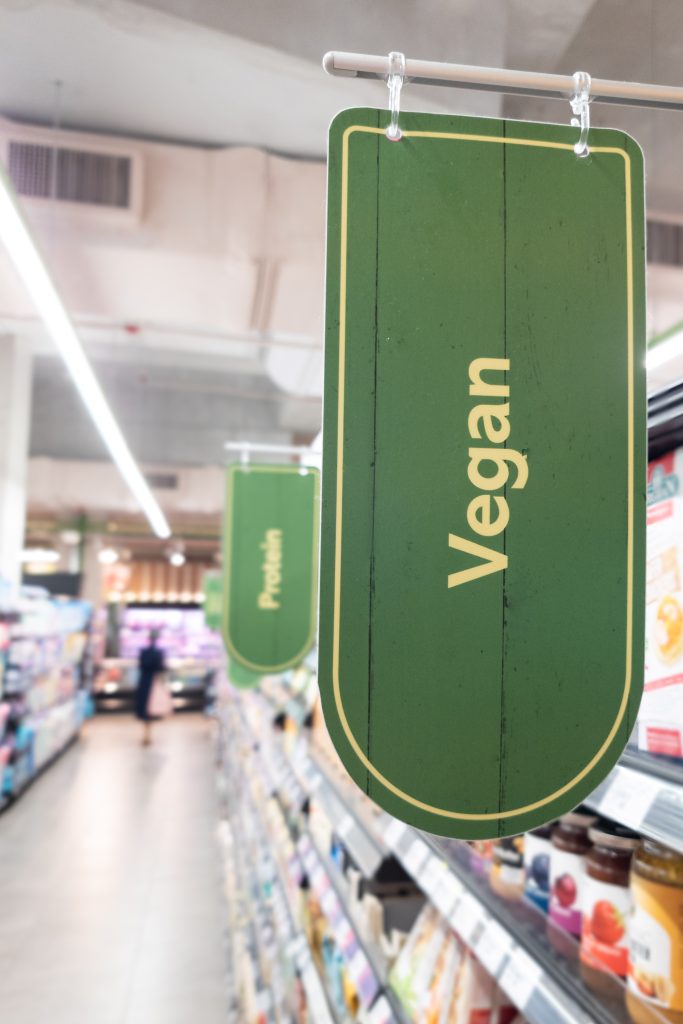
For Muslims, abstaining from pork is not merely a dietary rule, but a blend of faith, identity, and cultural customs that persist even in diverse societies like Canada. With the availability of halal and vegan alternatives, adhering to this principle has become easier, more widespread, and even shared with non-Muslims who choose to avoid pork for health or ethical reasons. Ultimately, respecting this choice reflects respect for the diversity that characterizes Canadian society.