Top Halal Certification Issuer
Canada’s halal food market is projected to exceed $4.3 billion by 2029. Driven by a growing Muslim…

Latest Updates


March 18, 2026

February 3, 2026

Interesting Article

Canada’s halal food market is projected to exceed $4.3 billion by 2029. Driven by a growing Muslim…

Dates as a Religious Symbol and Prophetic Tradition In Islam, dates are not merely a fruit, but…
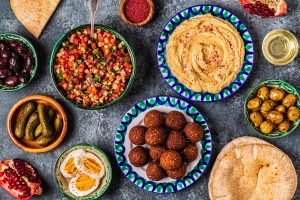
What if your next favorite comfort food came from across the globe—but felt like home? Middle Eastern…

View this post on Instagram A post shared by Dr. Elzahraa Hassane | Faith-Based Mental Healh Educator…
Middle Eastern Restaurants
Turkish Restaurants
Afghan Restaurants
Pakistani Restaurants
Rice is one of the most common ingredients on Muslim tables; it’s not just food, but a symbol of generosity and an integral part of Arab and Islamic hospitality traditions. Although these dishes all share the same basic ingredient, each one tells a different story, with flavors that reflect the culture, history, and unique cuisine of its people. In this article, we take you on a journey through some of the most famous halal rice dishes: Mansaf, Mandi, Biryani, and Kabsa, revealing the key differences between them and how these time-honored flavors have traveled from Eastern kitchens to the streets of Canadian cities.
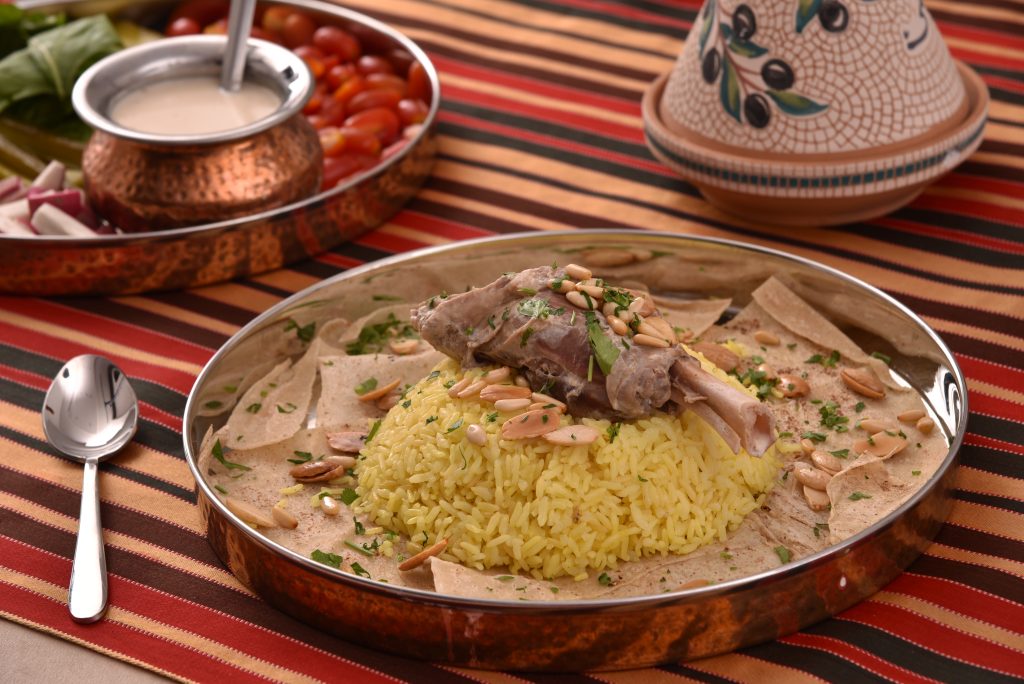
Mansaf is considered the king of the Levantine table and a symbol of Jordanian hospitality. It’s a dish deeply intertwined with Jordanian and Palestinian culture, becoming an integral part of their social identity. Mansaf relies on “Jameed Karak,” a type of dried yogurt that gives the broth its distinctive sour flavor, while the halal lamb is slowly cooked to achieve a rich tenderness. Served on shrak bread and yellow rice, and garnished with toasted almonds and pine nuts, mansaf is often eaten by hand as an expression of unity and authentic Bedouin hospitality. It’s more than just a dish; it’s a celebratory ritual that brings family and guests together around a single table.
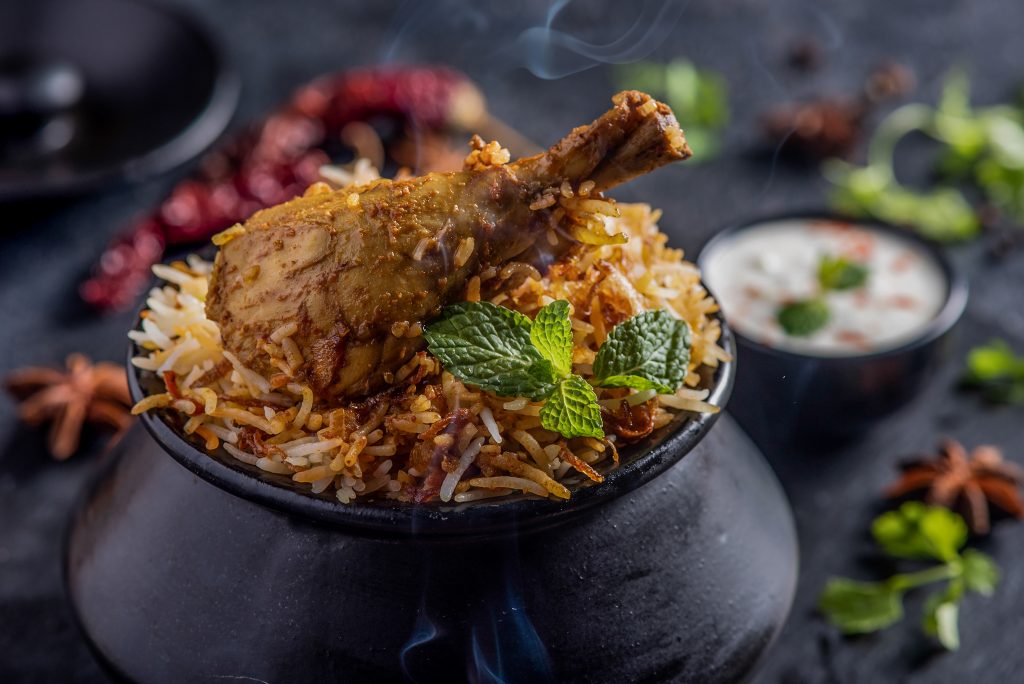
Biryani is the undisputed ambassador of South Asian cuisine, a dish carried by Muslims from India, Pakistan, and Bangladesh wherever they go. This dish is characterized by its complex blend of spices such as saffron, cardamom, cinnamon, and ginger, along with chili peppers that give it its vibrant character. Biryani is cooked using the “blood” method, which involves layering rice and halal meat or chicken, allowing the grains to slowly absorb the flavors and fully develop the depth of the spices. Thanks to its diverse preparation methods and flavor profiles, biryani has become one of the most popular rice dishes worldwide.
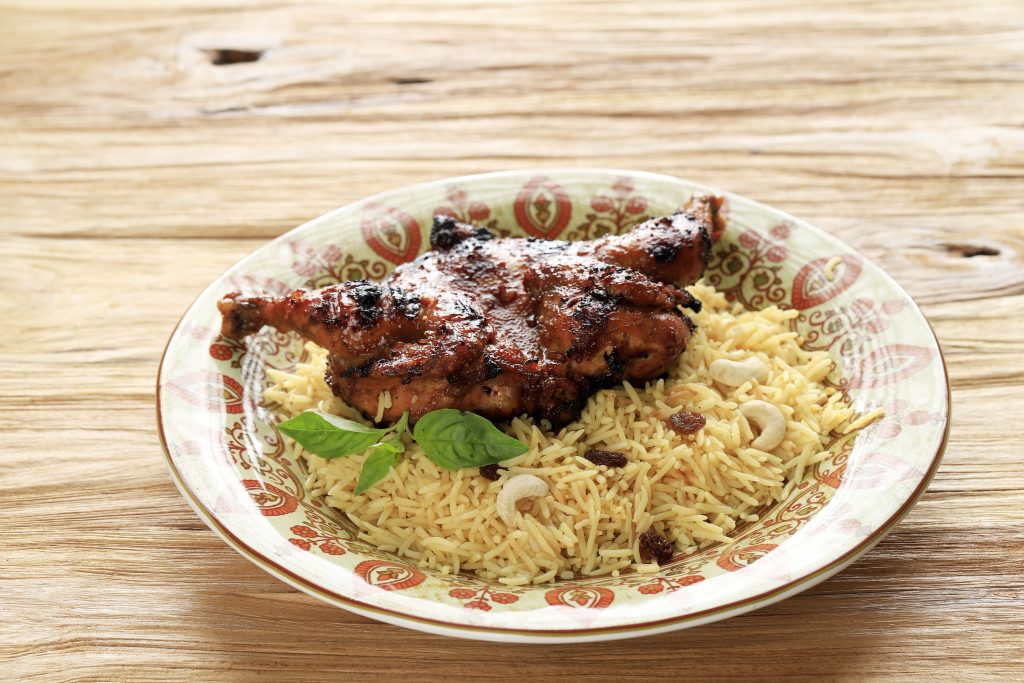
In the Gulf and Yemen, Kabsa and Mandi stand as icons of Arab cuisine. Saudi Kabsa involves cooking meat and rice in a single pot, using dried limes and ground spices that give the dish its rich brown color and warming flavor. Yemeni Mandi, on the other hand, derives its distinction from the traditional cooking method inside a pit or tandoor oven, where the meat is hung above the rice to allow its fat to drip onto it, then smoked over charcoal to acquire its famous smoky flavor. Despite their similarities, each dish has its own unique character that makes it beloved by lovers of Gulf cuisine.
| The dish | Protein type (meat) | Signature ingredient | Health Benefits |
|---|---|---|---|
| Jordanian Mansaf | Local lamb | Authentic Karak Jameed | Rich in calcium and protein |
| Asian Biryani | Chicken or mutton | Saffron and ginger blend | Natural antioxidants |
| Yemeni Mandi | Little lamb or chicken | Smoking with natural charcoal | Less fat thanks to grilling |
| Gulf Kabsa | Chicken or beef | Loomi (black lime) | Rich in vitamin C and minerals |
Experiencing the flavors of the East no longer requires traveling far. The Arab and Muslim community in Canada has successfully brought their cuisines, with all their details, to Canada, making these dishes an integral part of the culinary landscape in Canadian cities, especially in Ontario. If you’re looking for an authentic experience that reflects the spirit of Arab and Gulf cuisine, there are several restaurants worth visiting.
Monasaba is one of the leading restaurants specializing in Yemeni and Gulf cuisine. They offer Mandi with its authentic smoky flavor, in addition to Kabsa and Zurbian prepared with a modern twist on traditional tastes. The restaurant is known for its warm, inviting Arabic ambiance, providing a complete dining experience.
For those seeking an authentic Jordanian mansaf experience, Mansafji offers a dish prepared with traditional Karak jameed (dried yogurt) and served in a manner reminiscent of a traditional Jordanian table setting. The restaurant focuses on high-quality halal meat and meticulous attention to detail, creating an experience that closely resembles enjoying mansaf in the heart of Amman.
To achieve restaurant‑style fluffy basmati rice—just like what you find at top halal restaurants in Canada such as Monasaba and Mansafji—follow these golden rules:
Avoid over‑stirring: After adding the rice, stir it only once—gently. Continuous stirring breaks the long grains and makes the rice mushy.
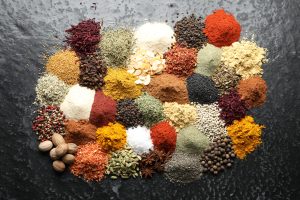
Spices are the heartbeat of Halal cuisine. They do more than just add color; they tell the story of ancient trade routes, diverse cultures, and a deep-rooted respect for “Tayyib” (pure and wholesome) ingredients. From the fiery kitchens of Lahore to the aromatic souks of Amman and Istanbul, let’s explore the essential spices that define […]

Halal meat has become a staple for Muslim communities in Canada, offering assurance that the food they consume complies with Islamic dietary laws. Yet, many consumers notice that Halal-certified products are often priced higher than conventional meat found in mainstream supermarkets. Understanding the reasons behind this price difference helps consumers appreciate the added value of […]