Hand-Slaughtered vs. Machine-Slaughtered Halal Meat
Manual slaughter by hand is a method deeply rooted in Islamic tradition since its inception. A Muslim…

Latest Updates


October 1, 2026

Guides & Resources

Manual slaughter by hand is a method deeply rooted in Islamic tradition since its inception. A Muslim…

“One wrong ingredient — and you lose trust.”Halal isn’t just a label. It’s your customer’s confidence Halal…

Spices are the heartbeat of Halal cuisine. They do more than just add color; they tell the…

View this post on Instagram A post shared by Dr. Elzahraa Hassane | Faith-Based Mental Healh Educator…
Learn how to start a halal food business in Canada, from planning and permits to halal sourcing, certification, operations, marketing and growth.
Published January 9, 2026 • Updated September 14, 2026


The Halal food sector in Canada is no longer a niche market; it is a booming industry driven by a growing population and a mainstream demand for high-quality, ethical food options. Starting a business in this space requires a blend of culinary passion, regulatory compliance, and strategic scaling. Whether you are a home cook with a secret recipe or an entrepreneur looking for the next big investment, understanding the Canadian landscape is the first step toward building a lasting brand.
For many beginners, the journey begins within the walls of a home kitchen. Starting as a home-based takeaway or catering service is an incredibly smart way to validate your concept without the heavy burden of commercial rent. This "lean" phase allows you to refine your menu based on real customer feedback and build a local following through word-of-mouth. While working from home, it is essential to familiarize yourself with municipal bylaws regarding home-based businesses to ensure you are operating within the safety guidelines of your specific city.
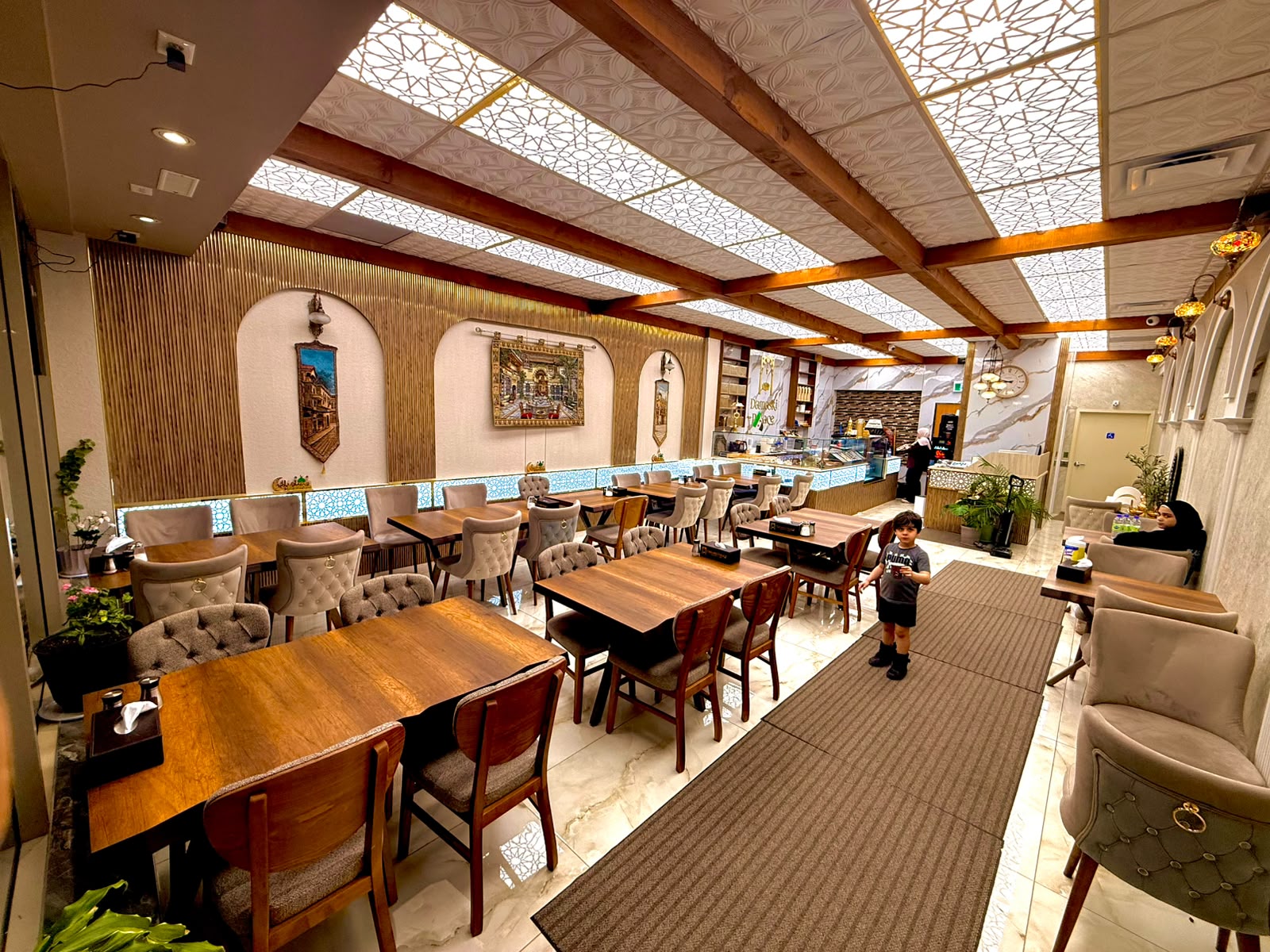
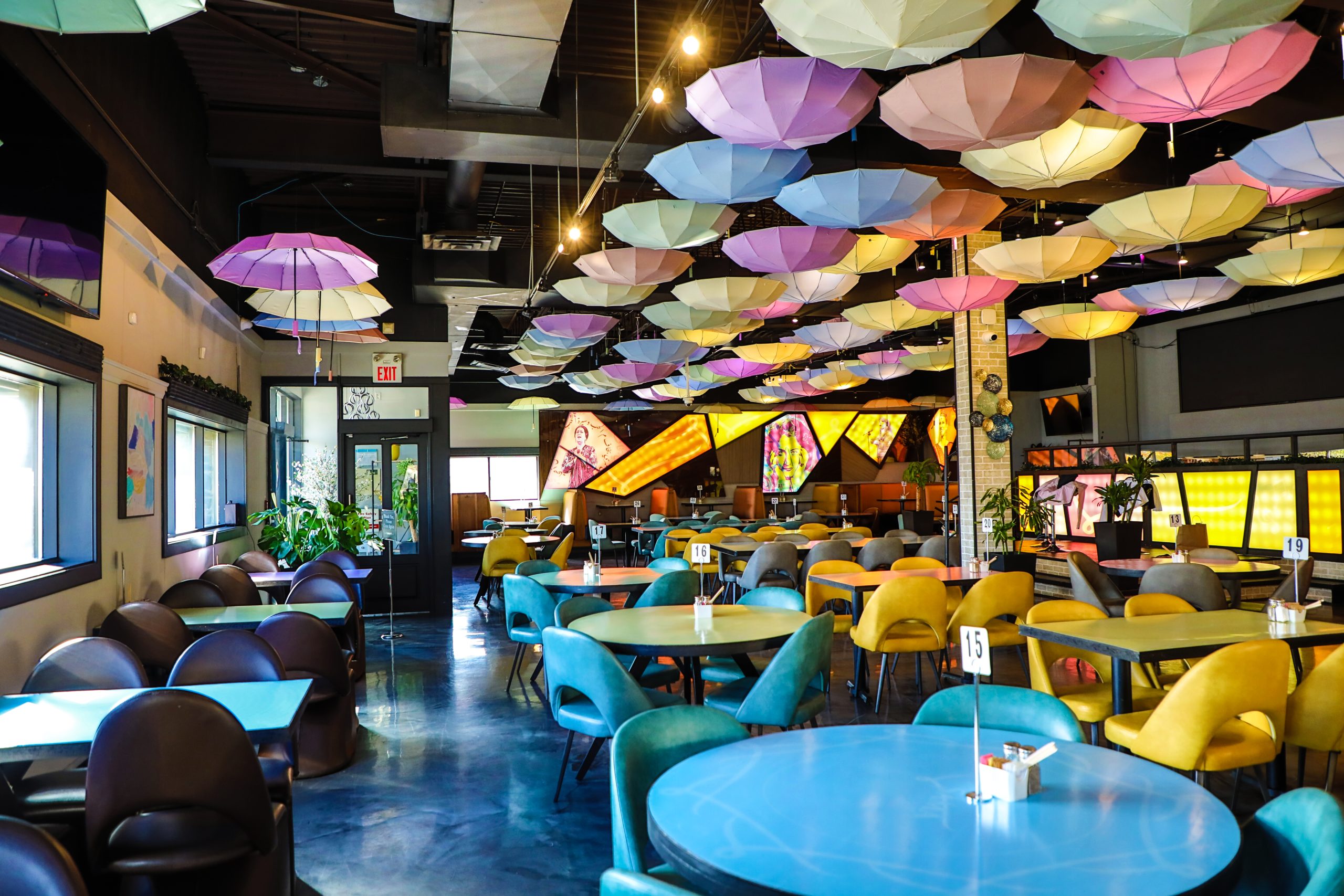
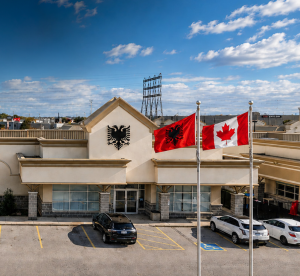
This is an example of Canada's thriving halal food scene, where demand for high-quality halal meals is increasing. The presence of this type of restaurant confirms that the Canadian market is ready to welcome new halal food ventures, whether from home kitchens or from startups that are gradually expanding.
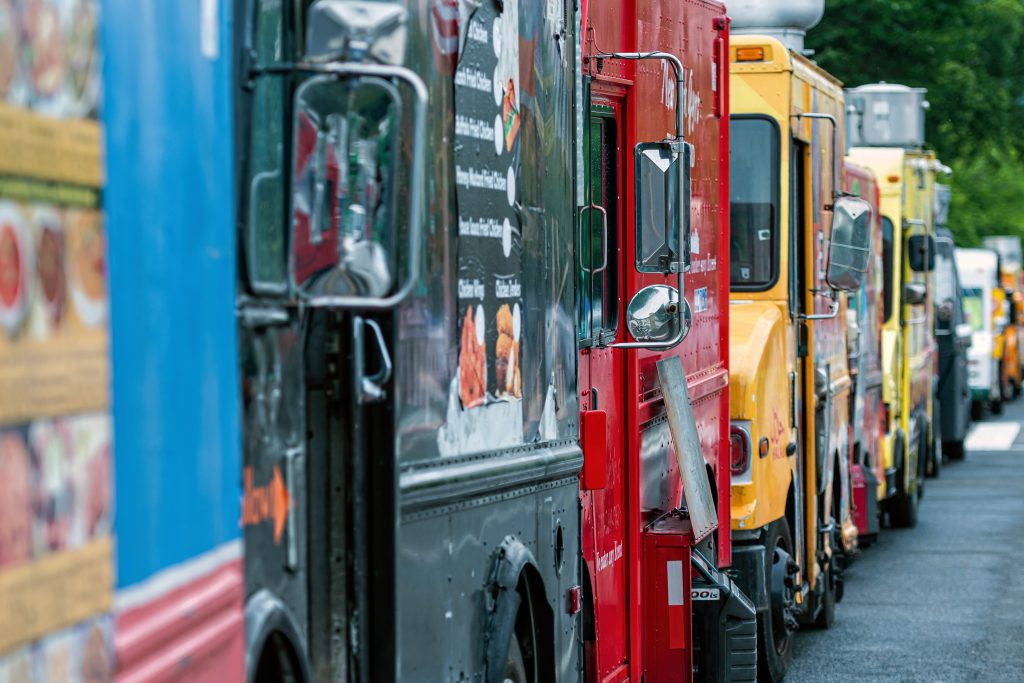
Once you have proven that people love your food, the natural progression is to move into a space that offers higher visibility. Transitioning to a Food Truck or a small kiosk within a shopping mall food court serves as an excellent middle ground. These options provide a massive "learning lab" where you can master high-volume service and inventory management. A food truck, in particular, offers the flexibility to travel to festivals and high-footfall areas, allowing you to test which neighborhoods respond best to your brand before committing to a permanent physical address.
Navigating the financial landscape of the Canadian food industry requires a strategic approach to capital allocation. Whether you are starting in your home kitchen or aiming for a premium location, understanding the tiers of investment is crucial for your success in Canada’s competitive Halal market.

| Business Model | Estimated Capital | What it Covers |
|---|---|---|
| Home-Based Catering | $1,000 – $5,000 | High-grade packaging, specialized kitchen tools, and municipal permits. |
| Professional Food Truck | $40,000 – $120,000 | Fully equipped vehicle, branding, and seasonal provincial permits. |
| Flagship Restaurant | $250,000 – $500,000+ | Premium locations (e.g., Ridgeway Plaza), custom interior design, and NNN leases. |
Establishing a permanent landmark in high-traffic destinations like Ridgeway Plaza represents the ultimate test of a brand’s sustainability. This transition demands more than just a larger budget for construction; it requires a robust operating reserve to manage the initial months of growth. Entrepreneurs must account for "Triple Net" (NNN) leases and the premium costs associated with high-visibility hubs to ensure long-term viability in 2026.

When your brand is established and your budget allows for a significant leap, the goal shifts to high-traffic commercial hubs. In recent years, specific locations have become "Halal food meccas" in Canada. For instance, Ridgeway Plaza in Mississauga has gained international fame for its dense concentration of successful Halal eateries. Securing a spot in such a vibrant plaza ensures a built-in audience of thousands of hungry visitors every weekend, significantly reducing the struggle of customer acquisition that many standalone restaurants face.
Operating a food business in Canada means adhering to rigorous health and safety standards. You will need to register your business provincially, obtain a Food Handler Certificate,
Key Requirement: Mandatory Food Handler Certification for at least one supervisor per shift.
Approval of the "Food Retail Home-to-Market" layout if starting from home
Completion of "FOODSAFE Level 1" course
and pass inspections from local Public Health departments. Beyond government red tape, there is the question of Halal Certification in Canada. While a formal certificate from organizations like HMA or ISNA isn't a legal requirement by the government to open doors, it acts as a "seal of trust." For a new business, displaying a recognized certification can be the deciding factor for a customer choosing between you and a competitor.

Your profit margins will largely depend on your supply chain. Savvy business owners in Canada utilize specialized wholesalers to keep costs down, ensuring that high quality meets operational efficiency.
Once your sourcing is secure, the final piece of the puzzle is building a robust digital presence. In the Canadian market, being visible on Google Maps, Instagram, and TikTok is non-negotiable for success. Sharing “behind the scenes” content and engaging with local community groups on social media creates a personal connection that turns a one-time diner into a loyal regular.
Pro Tip: To stay updated on the latest health regulations, always refer to the Official Government of Canada Food Safety portal, which provides the gold standard for operational excellence.